Easter traditions in the Czech Republic are lively and unique. Curious why girls get lightly whipped on Easter Monday or why beautifully decorated eggs are exchanged as a thank-you? Want to know what special baked goods appear on Czech Easter tables? Read on to discover how Czech families celebrate this important holiday.
I was often told that stories about Czech Easter traditions are among the most joyful and interesting to hear, so I decided to share them here. One of the most striking customs takes place on Easter Monday, when men and boys symbolically tap women with a handmade whip called a pomlázka. That reaction—“what?”—is common. The ritual is symbolic and never meant to hurt anyone. It carries deep cultural meanings that I’ll explain below, but first I’ll say what Easter means to me and how we celebrate it at home.
EASTER IN THE CZECH REPUBLIC
Decorations
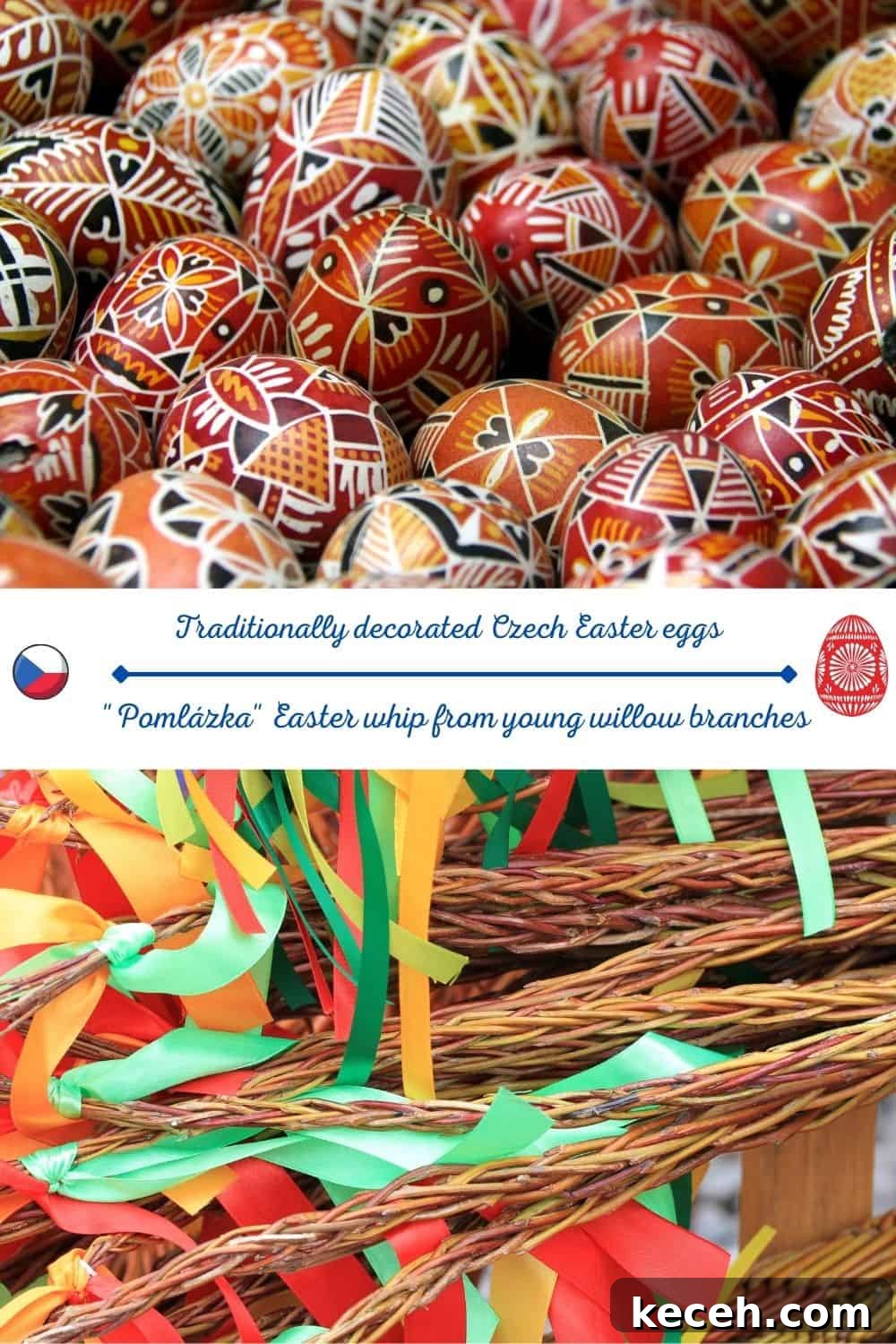
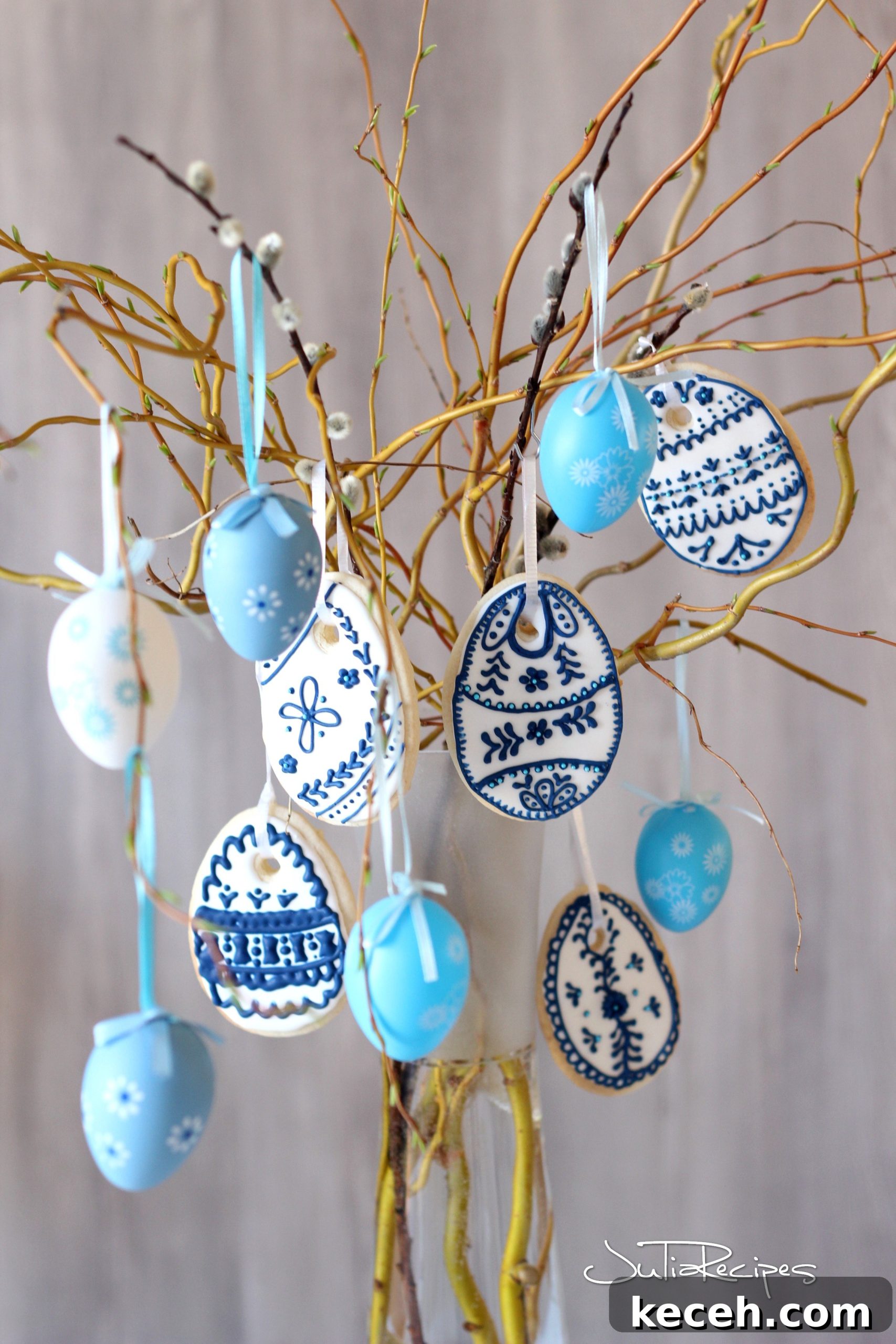
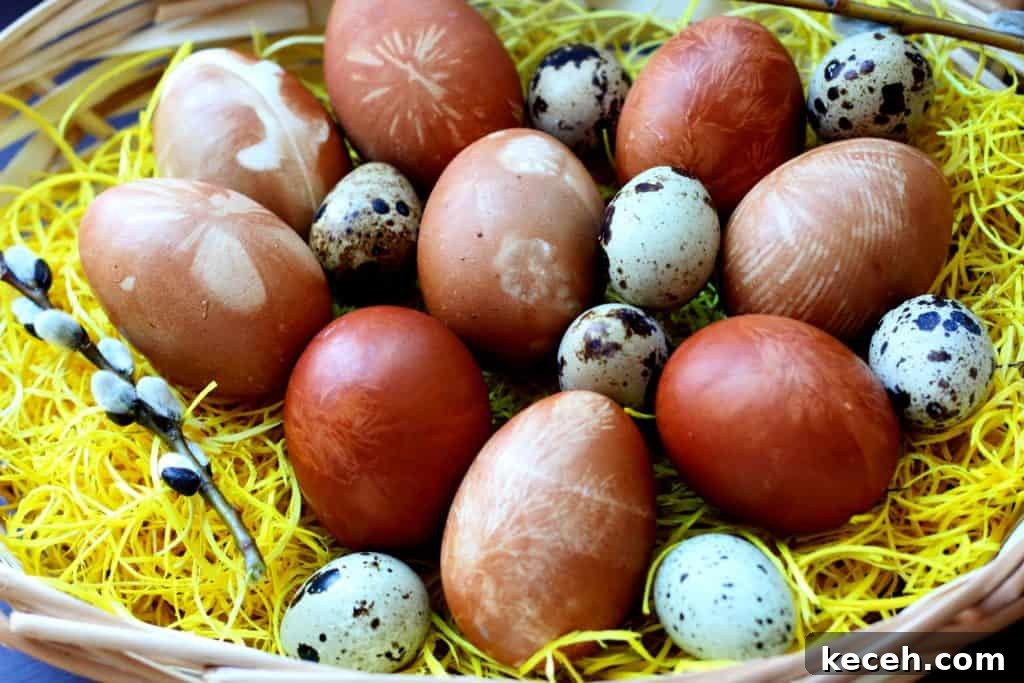
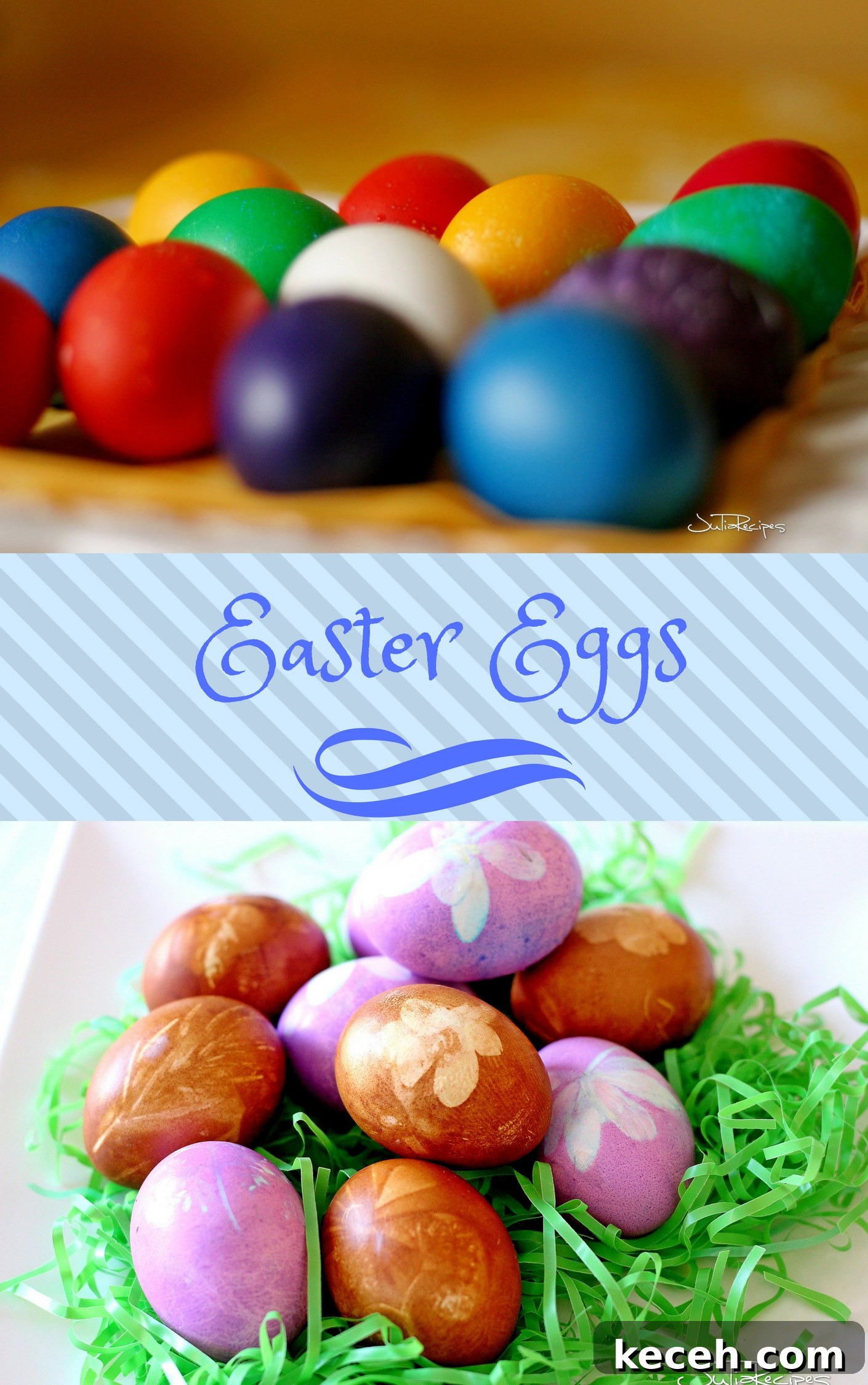
For many Czechs, Easter marks the arrival of spring and new beginnings, and it is also the most important Christian holiday. Numerous customs are part of the celebration, and even non-religious families often observe them. The egg is the most symbolic object of the season. Decorating eggs is typically a family activity—grandmothers, mothers and daughters gather to paint and color eggs that will be given away on Easter Monday.
Most eggs are hard-boiled before decoration, but in some regions only the shells are decorated using a waxing technique that produces intricate designs evoking nature. A traditional, simple method I love uses natural dyes: cook eggs with onion peels or dark tea. If available, place small sprigs of grass, herbs or tiny flowers against a cleaned egg, wrap it in an old piece of pantyhose, tie it, then boil the eggs for about 10 minutes in a pot filled with water and onion peels (or several dark tea bags) to produce rich, earthy colors.
What we cook and bake for Easter
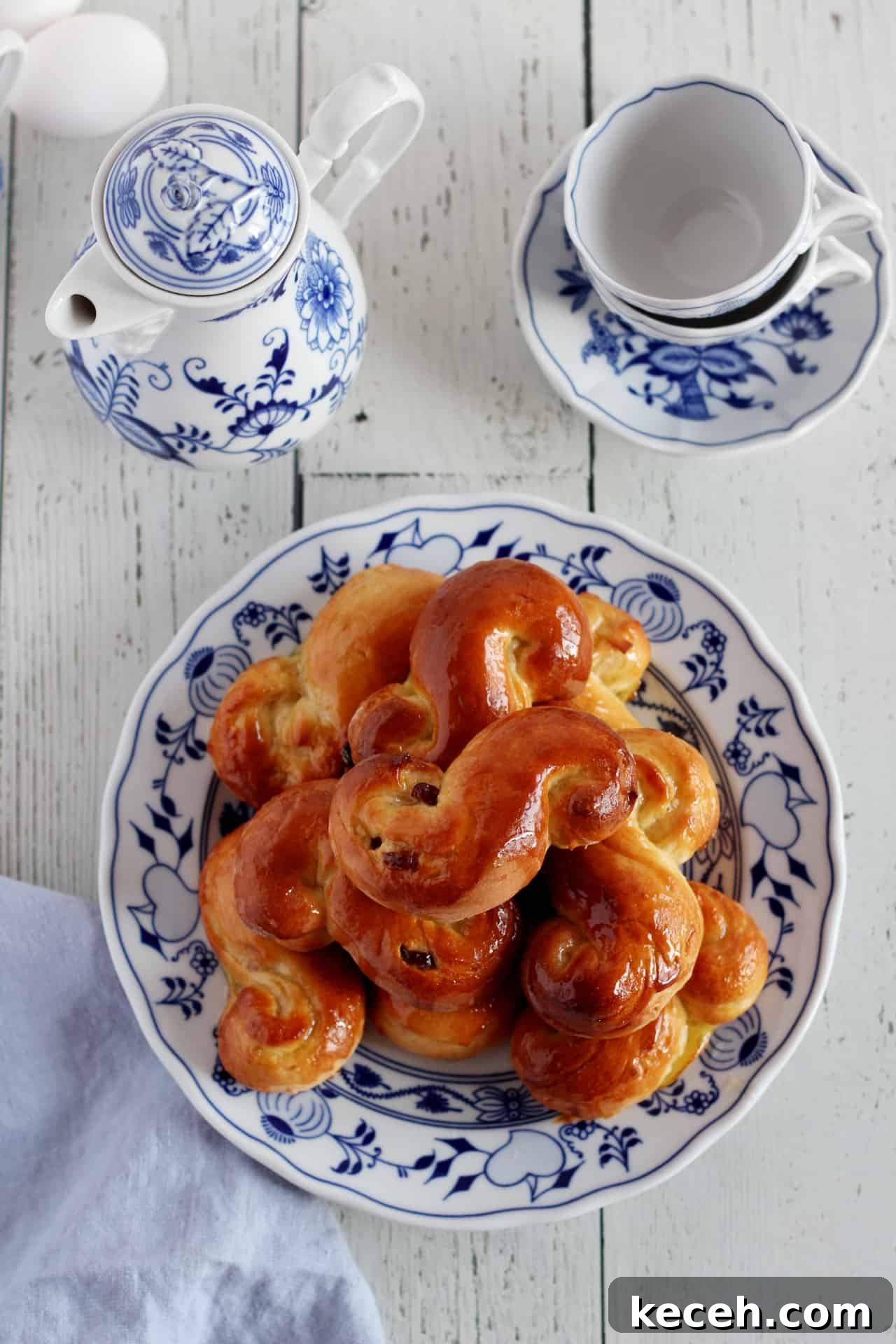
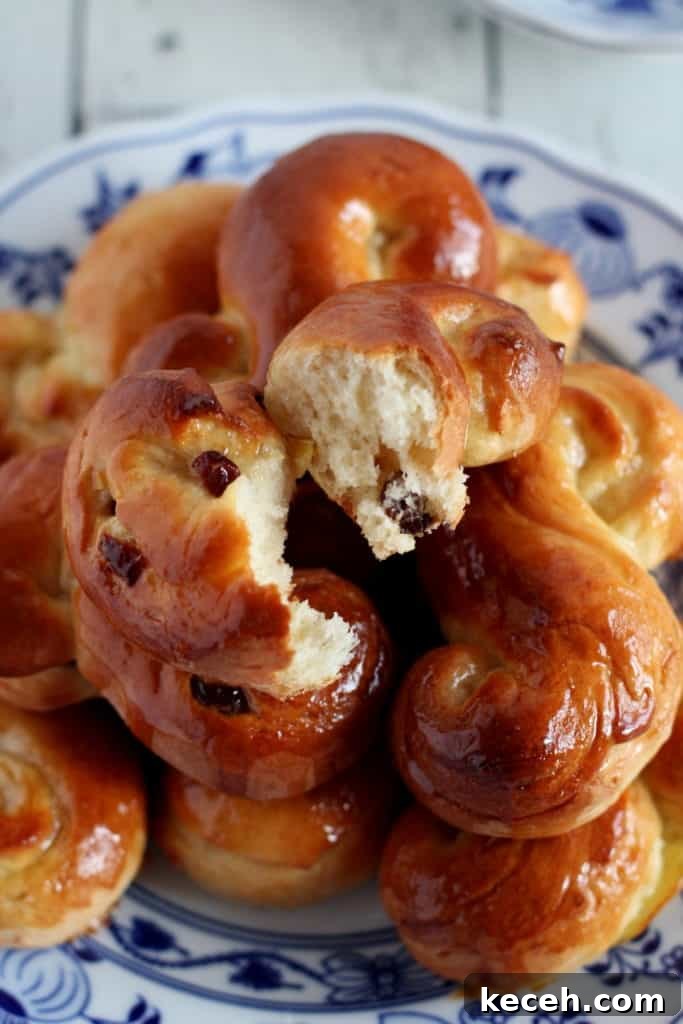
Easter is the second biggest holiday after Christmas in the Czech Republic, and many traditions are reflected in the foods served. A well-known baked item is “Jidáše” (Judas buns). Their twisted shape resembles the rope associated with Judas and the story of his betrayal. Traditionally, these buns are baked on what is called “Ugly Wednesday” and eaten the next morning for breakfast.
Each day of Holy Week has its own customs and dishes. Below I describe some of the customs and foods connected to those days, in order through the Easter week.
UGLY WEDNESDAY
Ugly Wednesday, also called Chimney Wednesday, recalls Judas’ betrayal and is traditionally a day for cleaning. Historically soot was swept from chimneys on this day. Folklore warns that if you frown while cleaning on Ugly Wednesday, you may be annoyed every Wednesday for the rest of the year—so the custom encourages cheer while working.
GREEN (HOLY) THURSDAY
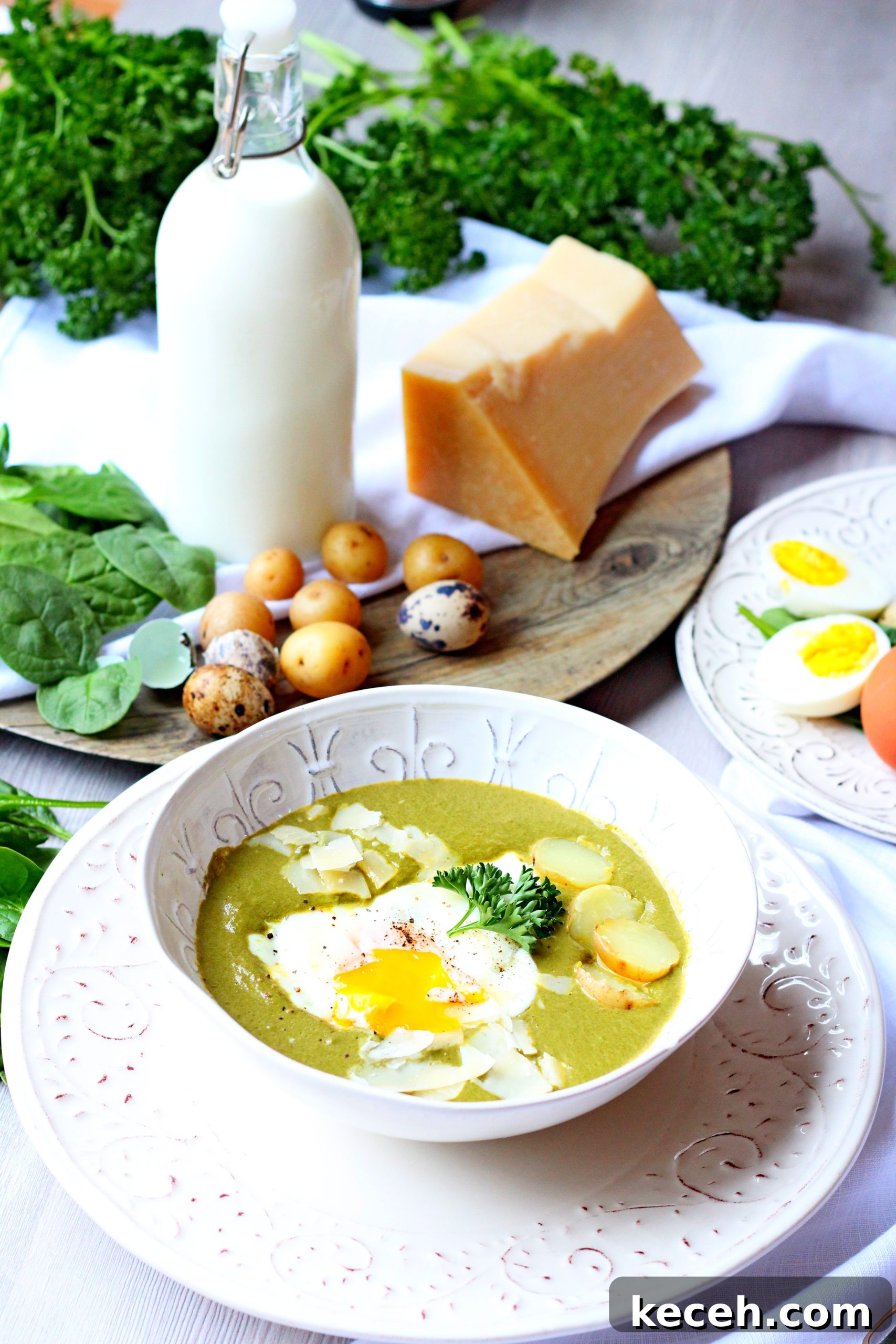
Green or Holy Thursday is associated with eating fresh greens. For breakfast many families enjoy Jidáše, while lunch or dinner often includes creamy spinach with bread dumplings or potatoes and eggs. Some regions serve green pea soup or cabbage-based dishes. In the evening, Christians commemorate the Last Supper; church bells traditionally fall silent from Holy Thursday until Holy Saturday.
GOOD FRIDAY
Good Friday commemorates the crucifixion of Jesus. Many people fast or avoid meat on this day. As a child, I remember simpler meals—cream of wheat with honey or bread with butter—and a quiet afternoon mass. Good Friday is often spent in reflection or modest meals, and many families recall these moments as meaningful times of togetherness.
Spending time in nature
It is common for Czechs to go into the countryside on Good Friday to look for the first flowers and greens used later to color eggs. Folk beliefs also include stories about hidden treasures and miraculous waters on this day. Another playful custom involves boys carrying wooden rattles (řehtačka) through the village to make noise, symbolically driving away evil and recalling Judas’ expulsion.
WHITE SATURDAY & SUNDAY (Easter Saturday & Sunday)
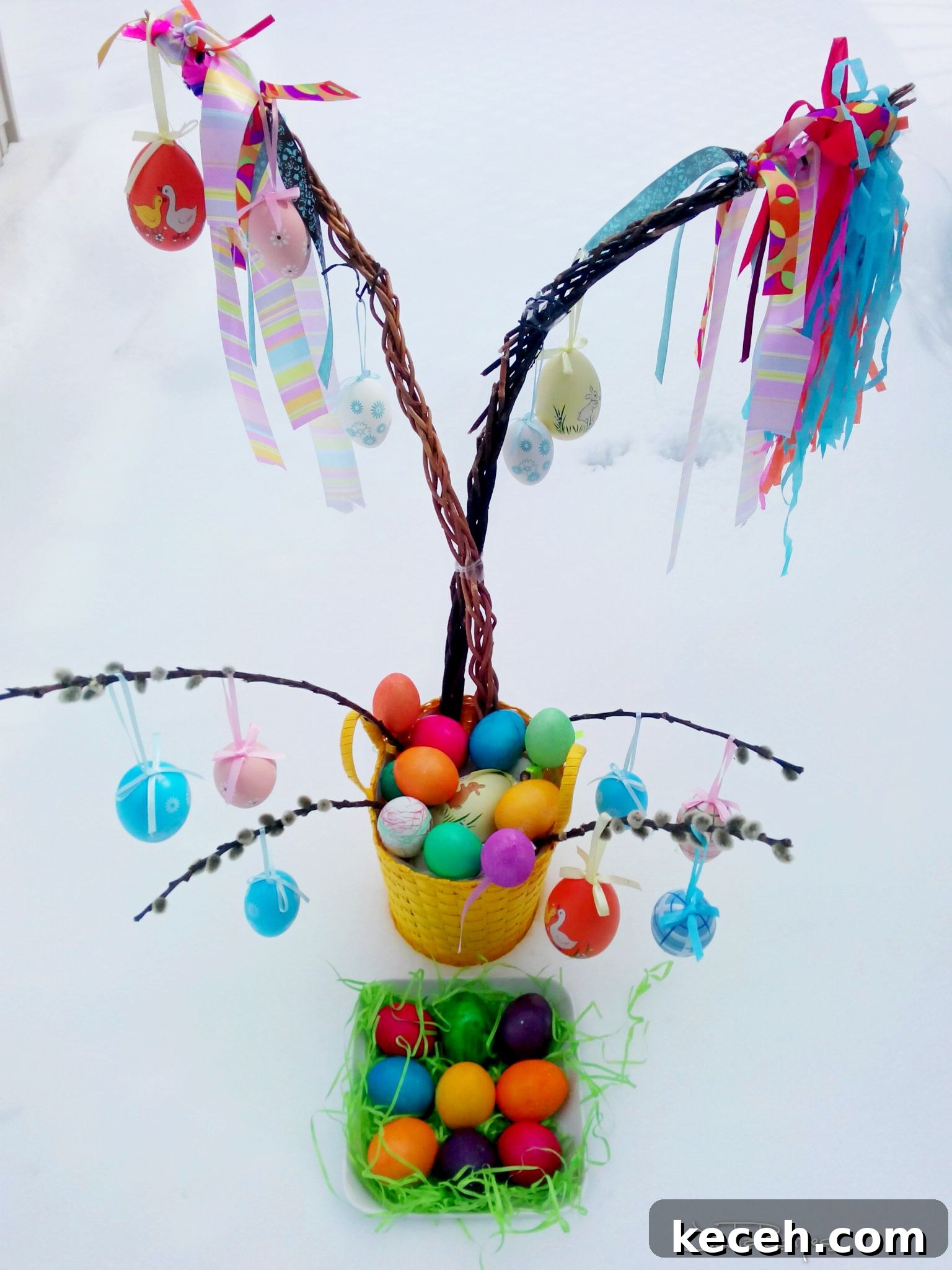
White Saturday is a day of quiet preparation. Girls finish decorating eggs while boys prepare their pomlázkas—fresh whips braided from young willow branches for Monday’s custom. My family always enjoys wrapping small sprigs of greenery to the eggs and dyeing them in onion-peel water for warm brown tones. For Christians, Saturday is part of the solemn observance of Jesus lying in the tomb; church bells remain silent until Easter Vigil.
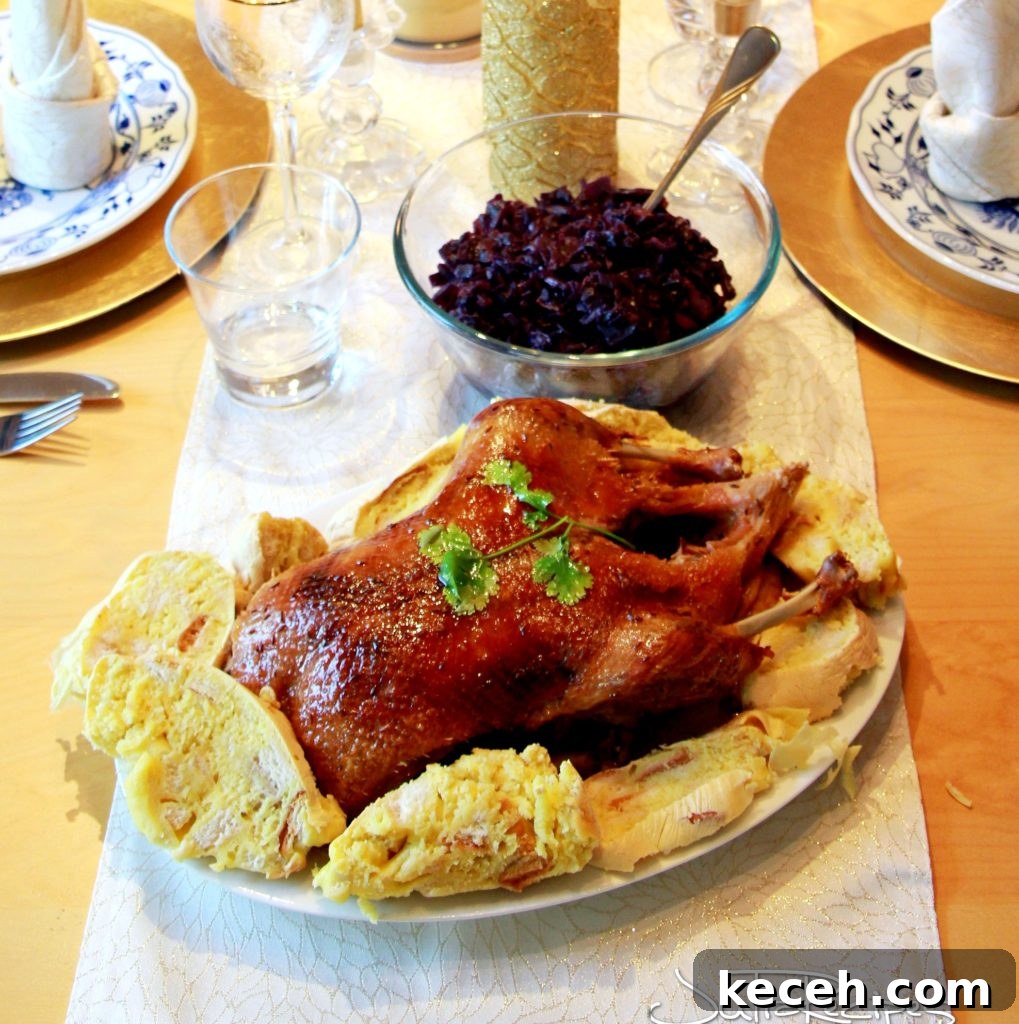
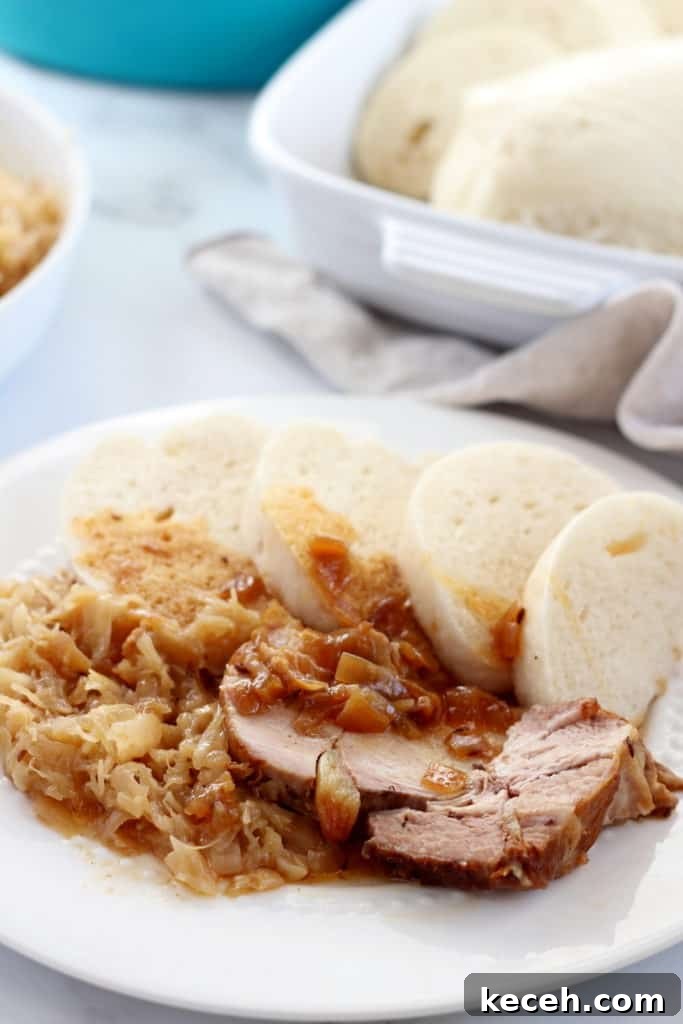
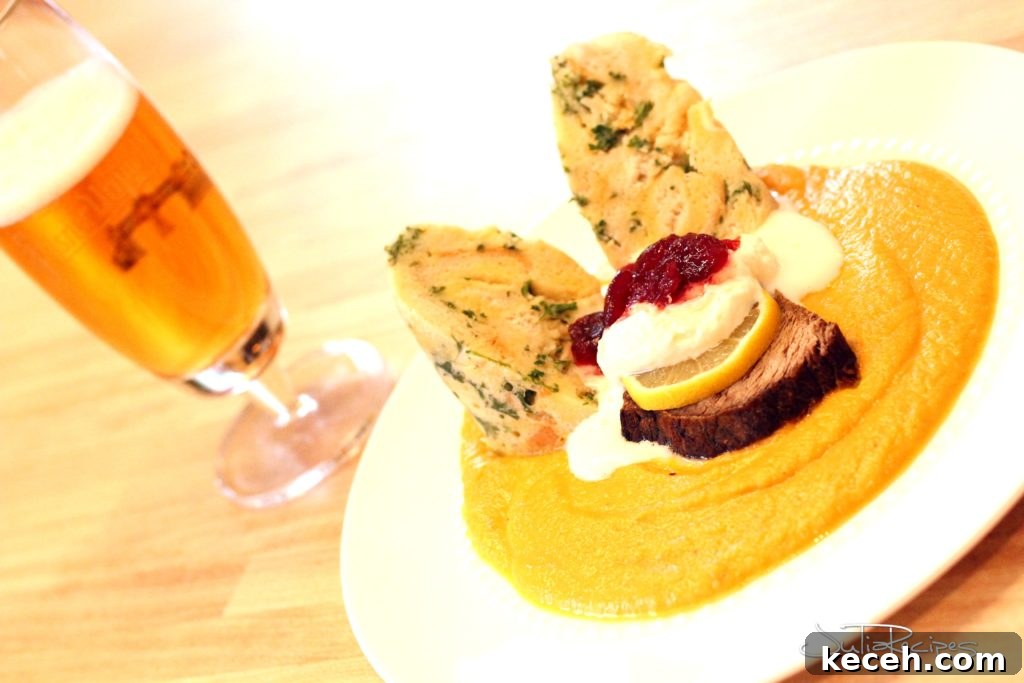
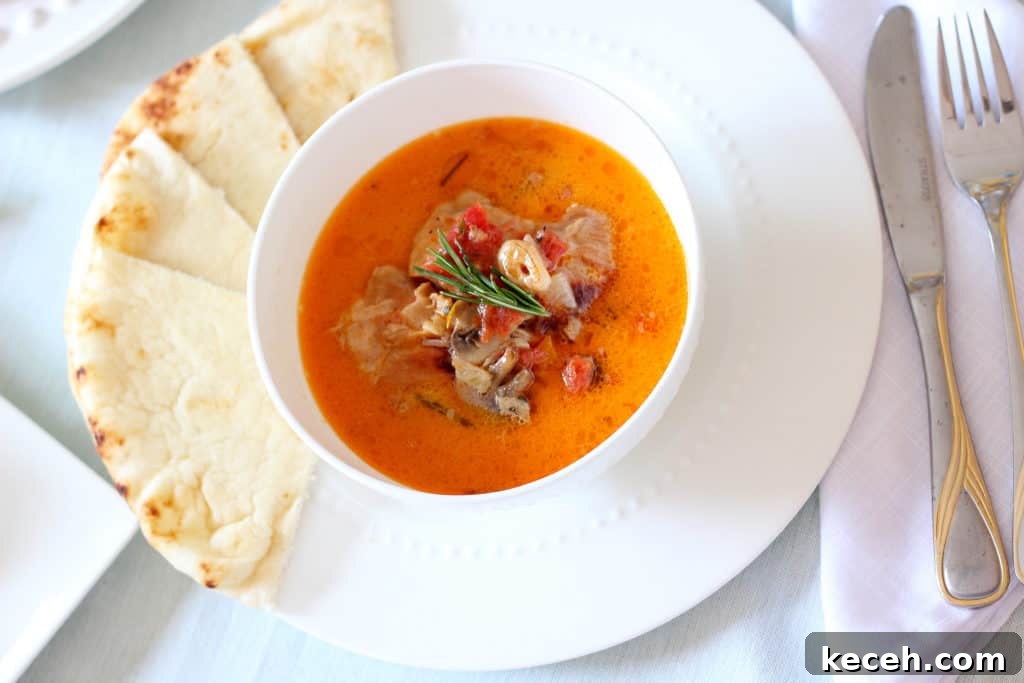
On Easter Sunday many traditional dishes are prepared, often festive and hearty. Common main dishes include roasted duck, roast pork with sauerkraut and dumplings, beef roast with creamy vegetable sauce (svíčková), or rabbit in a white wine and tomato cream sauce. These meals vary by region and family tradition.
-

Roasted duck -
Roasted pork with sauerkraut and dumplings -
Svíčková – beef roast with creamy vegetable sauce -
Rabbit in creamy tomato sauce
Savoury recipes for Czech Easter
- CREAMY RABBIT STEW WITH WHITE WINE & TOMATO SAUCE
- ROASTED DUCK WITH BREAD DUMPLINGS
- CZECH ROAST PORK WITH SAUERKRAUT & DUMPLINGS
- SVÍČKOVÁ – ROASTED BEEF WITH CREAM VEGETABLE SAUCE & DUMPLINGS
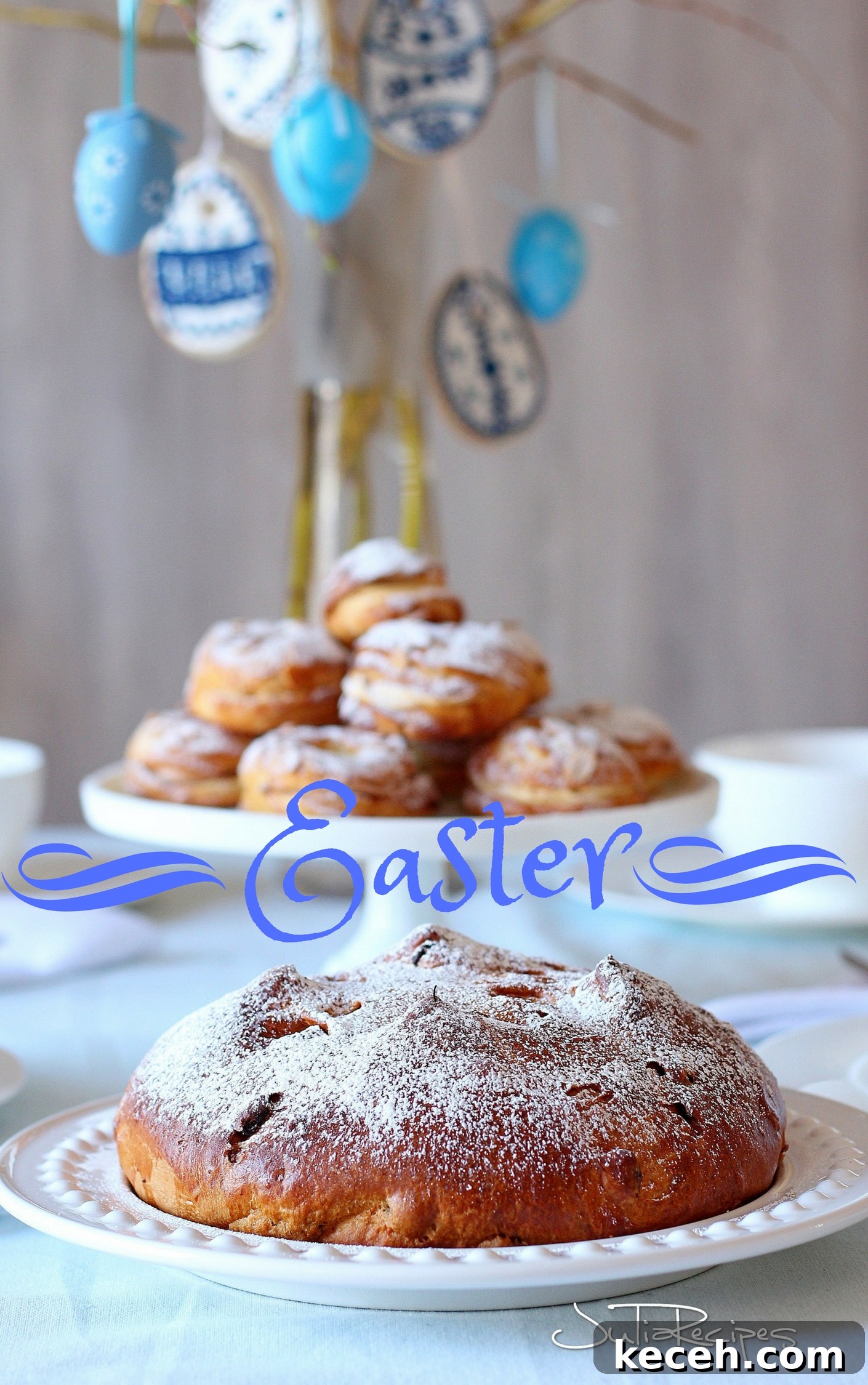
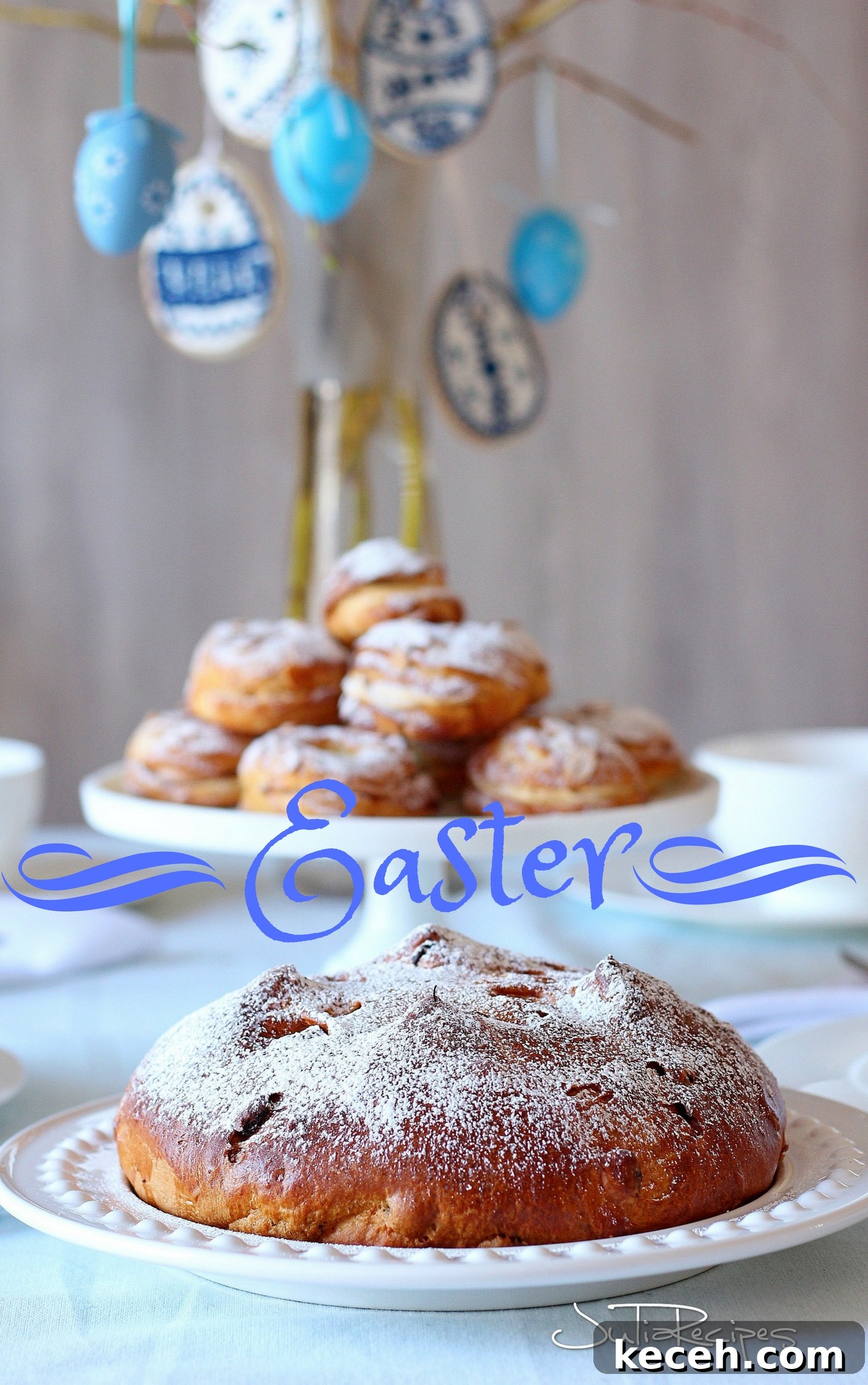
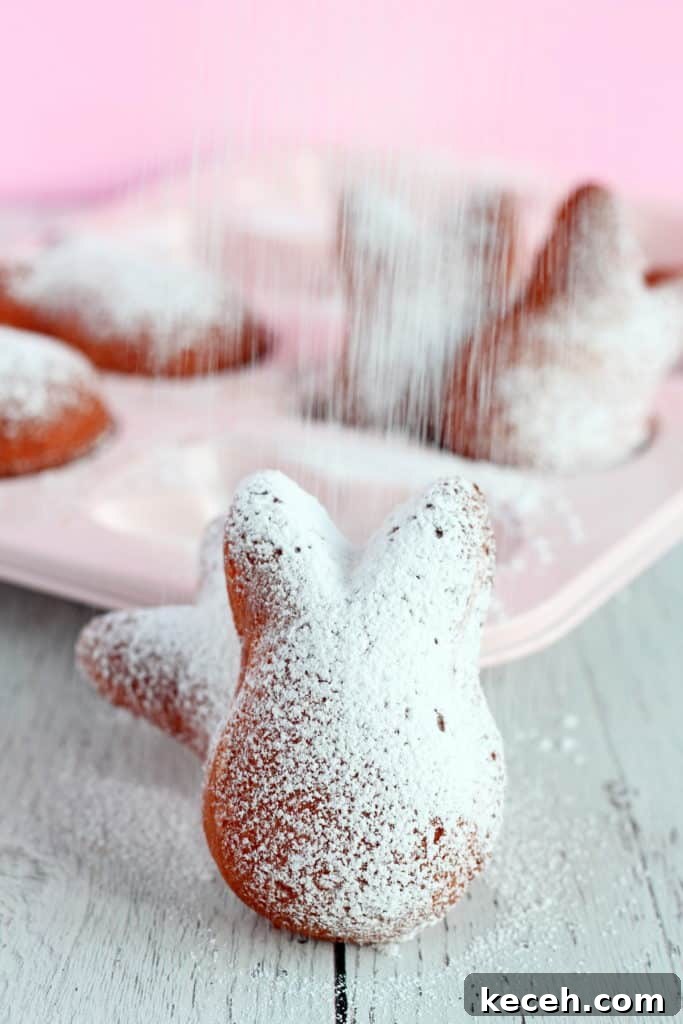
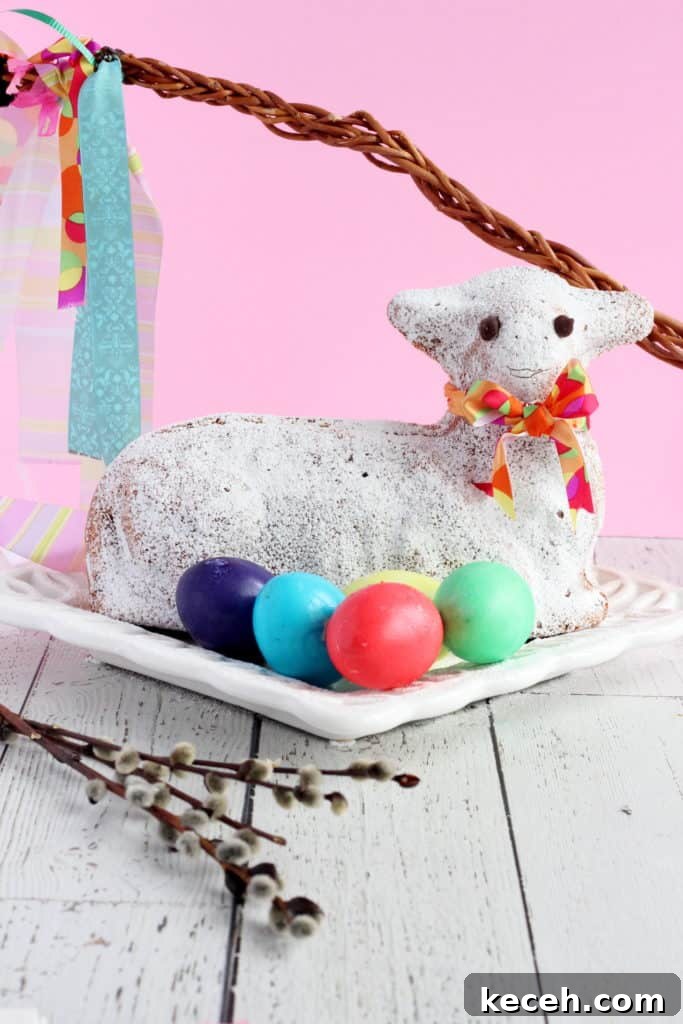
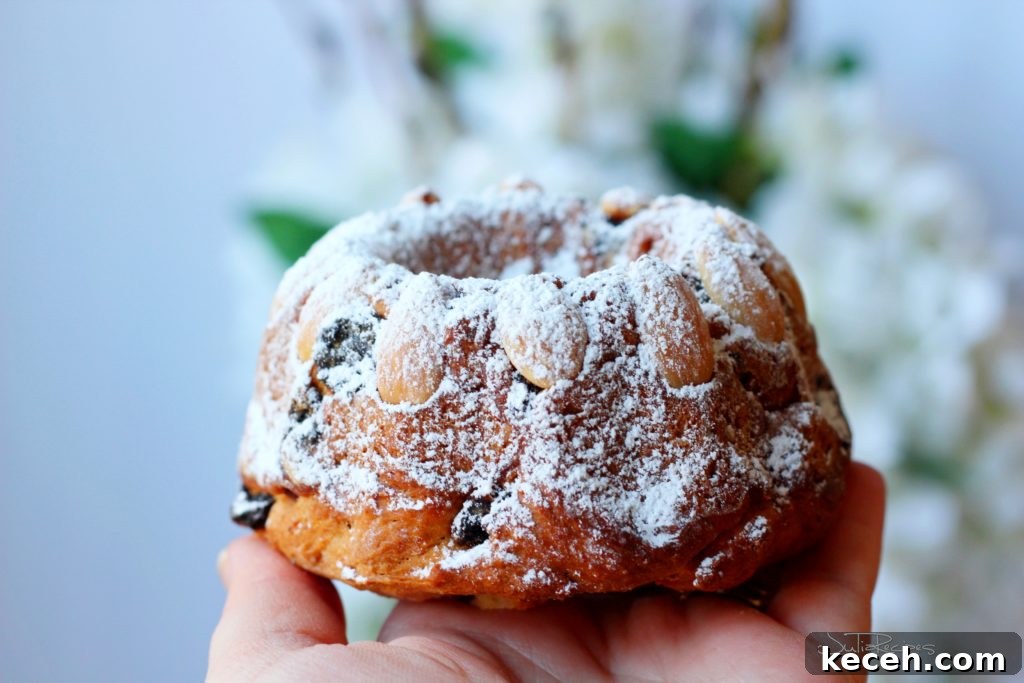
Sweet treats are essential to Czech Easter. Traditional baked goods include mazanec (sweet yeast bread), cream-filled puff pastries, choux pastries with buttercream, and the Easter lamb bundt cake (beránek). Houses often fill with the scent of baking, and sweets are shared among family and guests.
-
Bunny madeleines -
Judas brioche -
Holy lamb bundt cake (beránek) -
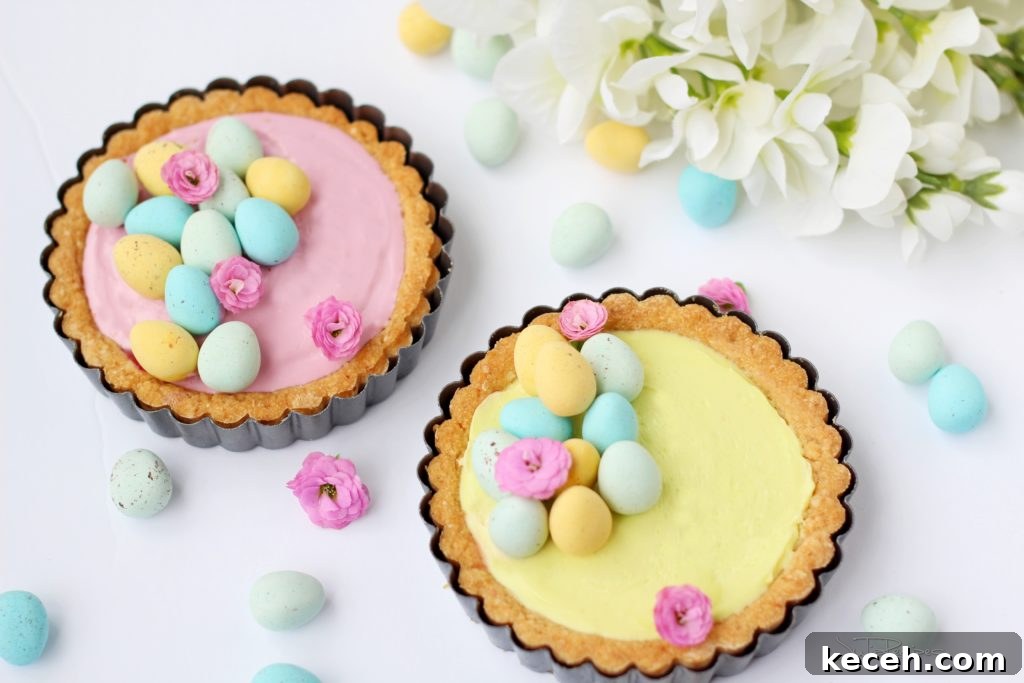
Mini Easter tarts with cream cheese filling -
Mini kouglof (Alsatian brioche)
Sweet recipes for Czech Easter
- MINI KUGLOF (ALSATIAN BRIOCHE)
- MINI EASTER TARTS WITH CHEESECAKE FILLING
- SWEET BRIOCHE BUNS (JIDÁŠE)
- EASTER BUNNY MADELEINES
- BAKED DONUTS
EASTER MONDAY WITH “POMLÁZKA”
Easter Monday is the highlight of Czech Easter traditions. Early in the morning men and boys visit female relatives and friends to lightly tap them with a freshly braided pomlázka made from young willow branches. This playful ritual is believed to bring health, youth and fertility. In return, women thank the visitors with decorated hard-boiled eggs, chocolate eggs, ribbons or sometimes a small shot of spirits. The gesture is meant to be cheerful and mutual—part of giving and receiving good wishes for the season.
Different regions, different customs
The pomlázka is central to many Easter celebrations, but customs vary by region. In parts of Slovakia and South Moravia, for example, playful “watering” takes place—sometimes boys sprinkle girls with water, other places girls sprinkle boys. I recall cousins spritzing perfume instead of water, which left a house smelling distinctly festive after many visitors had passed by.
After moving to Canada, my family preserved these Czech traditions and added an Easter Egg Hunt for the children, a fun blend of Czech and local customs. Snow can sometimes make the hunt adventurous when it lingers into April, but the excitement remains the same.
These are the Czech Easter traditions my family keeps alive: gatherings to decorate eggs, baking special breads and sweets, and the joyful rituals of Holy Week and Easter Monday. They connect us to the seasons, to family, and to shared cultural memories.
If you have Easter traditions you’d like to share, I’d love to hear them—stories and memories are always welcome. Wishing you a beautiful Easter holiday spent with family.
HAPPY EASTER!