An epicurean adventure to: Lebanon
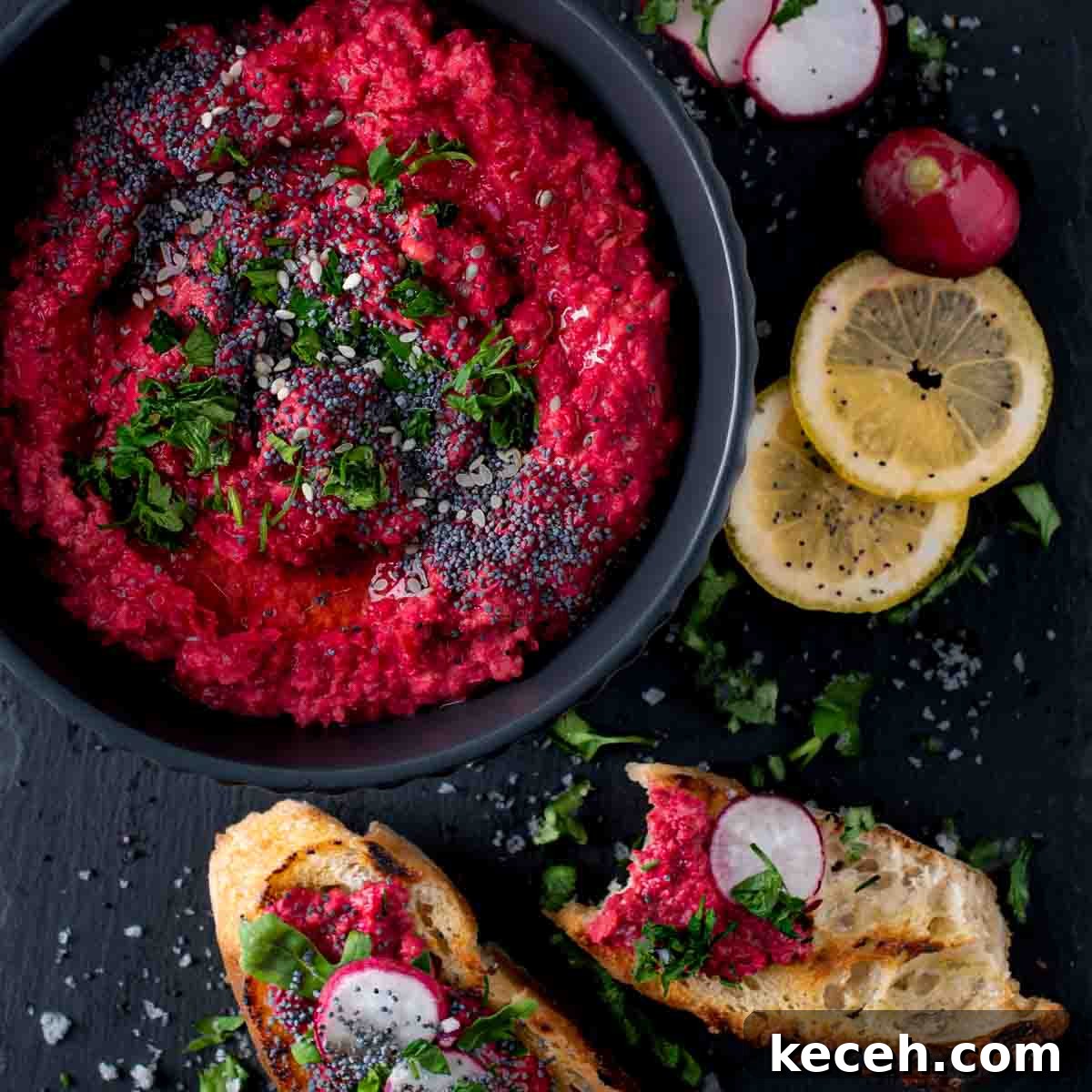
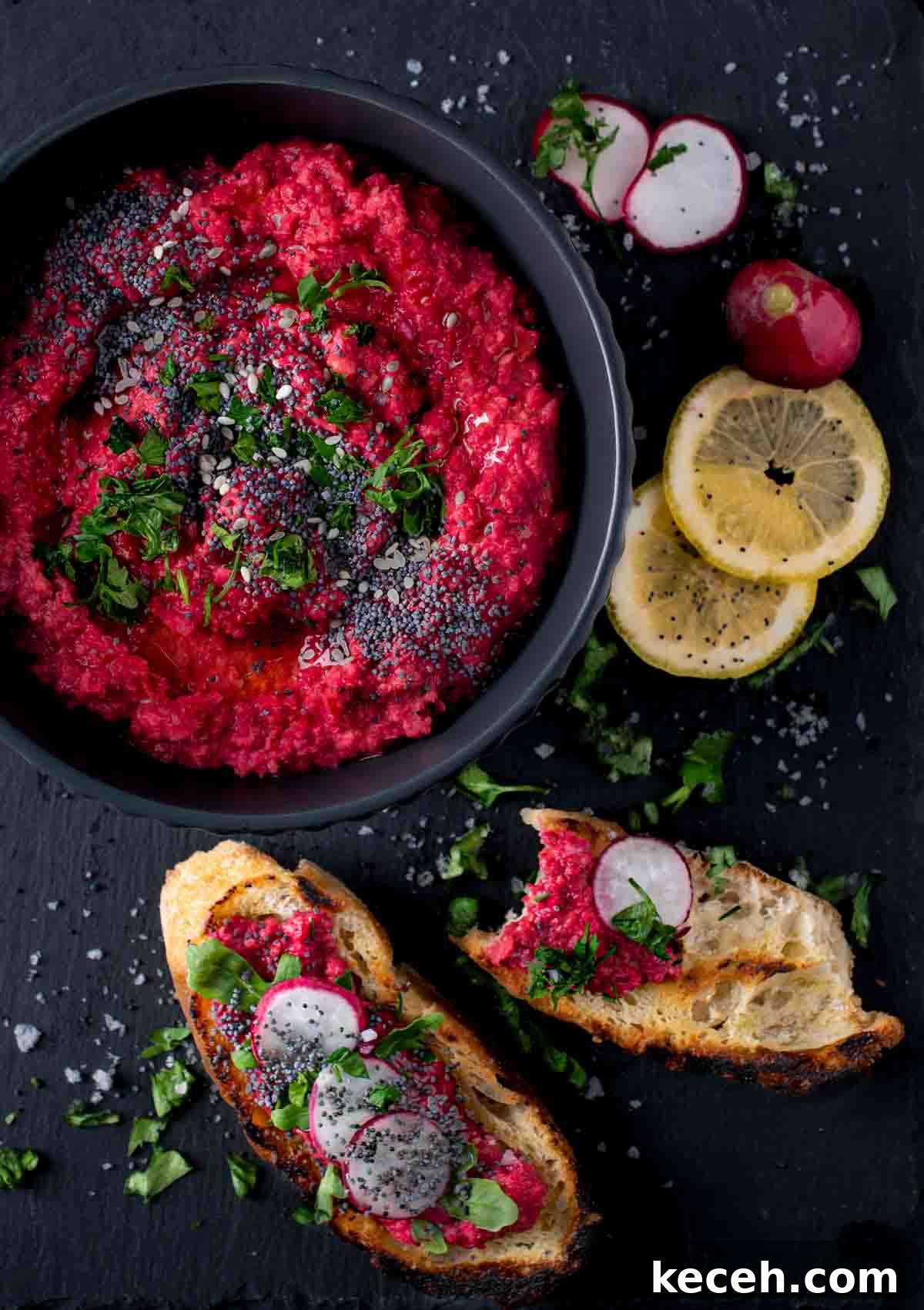
We’re smitten with the simplicity of this quick and vibrant beetroot hummus inspired by Lebanon. Its striking pink hue is irresistible, but the flavours are what truly win you over: earthy beetroot balanced with bright lemon, warm cumin and nutty tahini. The beetroot adds a natural sweetness that elevates the usual hummus profile, making it perfect with warm pita, flatbreads or a crusty loaf.
While classic hummus remains a staple across Lebanon and the wider Middle East, variations such as beetroot hummus bring delightful colour and new flavour combinations to the table. This twist keeps a familiar favourite fresh and exciting.
Who invented hummus?
Hummus — also spelled houmous, humus, hommus or hommos — comes from the Arabic word for “chickpea.” This beloved spread has a long history in Middle Eastern cuisine, with roots stretching back centuries and many regions claiming it as their own. As filmmaker Oren Rosenfeld put it: “Hummus is a Middle Eastern food claimed by all and owned by none.” With that settled, let’s focus on the recipe: beetroot hummus.
Fast facts – Lebanon

| Location | Lebanon sits on the eastern shore of the Mediterranean, bordered by Syria to the north and east and Israel to the south. |
| Language | Arabic is the official language; French and English are widely spoken. |
| Population | Approximately 6.8 million people. |
| Trivia | Beirut, Lebanon’s capital, is renowned for its lively nightlife and cultural scene and is sometimes nicknamed the “Paris of the Middle East.” |
Why you’ll love this recipe
- Ready in about 5 minutes using a few simple ingredients.
- Healthy, low-calorie and nutrient-rich.
- Use pre-cooked vacuum-packed beets to save time.
- Versatile as a dip, spread or sauce.
- A kid-friendly way to enjoy beetroot.
- Minimal washing up.
- Great for using a surplus of fresh beets from the garden.
- Naturally gluten-free and vegan.
What is hummus?
Hummus is a smooth, nutritious paste made from blended chickpeas, tahini, garlic, lemon juice and olive oil. From that base you can create countless variations by adding vegetables, herbs or spices to introduce new colours and flavours.
Is beetroot hummus good for you?
Yes. Beetroot offers vitamins, minerals and antioxidants like vitamin C, folate, iron and betalains, which may support anti-inflammatory and detoxifying processes. Dietary nitrates in beetroot can also help improve circulation and support healthy blood pressure. Chickpeas contribute fibre, protein and complex carbohydrates that keep you feeling satisfied. Making hummus at home also lets you control oil and salt, avoiding excesses found in some store-bought versions.
Key ingredients and substitutions
Please see the recipe card below for exact quantities.
Cooked beetroot
Pre-cooked vacuum-packed beets are the quickest option and are commonly found in supermarkets. If you prefer to roast or boil fresh beets, instructions are provided further down. Avoid using pickled beets — their vinegar flavour will dominate the hummus.
Canned chickpeas
Use roughly 240g of drained chickpeas (about the drained weight from a standard 400g can). If using dried chickpeas, soak overnight and cook until tender before blending.
Fresh lemon juice
A medium lemon yields about 30ml of juice. Add a little zest for extra brightness if desired.
Tahini
Tahini gives hummus its silky texture and nutty depth. If you don’t have tahini, blend toasted sesame seeds with a little olive oil to make a quick paste, or substitute a mild nut butter such as cashew.
Flavourings
Garlic and cumin are the main flavour enhancers here; adjust to taste. Season with salt and black pepper, tasting as you go.
Olive oil
Extra virgin olive oil is preferred for flavour, but a neutral oil like sunflower or corn oil will work as a substitute.
How to make beetroot hummus
- Put all ingredients except the olive oil into a food processor and blend until coarse.
- Scrape down the bowl, then add the olive oil.
- Blend again until you reach your desired texture—blend longer for an extra-smooth hummus.
- Transfer to a serving dish and garnish if you like (a sprinkle of black sesame seeds looks beautiful).
How to cook beetroot from scratch
If you prefer fresh beets, here are two reliable methods.
Roasted beetroots
- Preheat oven to 200°C (400°F).
- Trim greens and scrub beets to remove soil.
- Wrap each beet loosely in aluminium foil and place on a baking sheet.
- Roast 50–60 minutes, checking halfway and adding a drop of water to any dry packets.
- Cool, then rub off the skins before using.
Boiling the beetroots
- Trim greens and scrub the beets.
- Cover with water in a large pot and bring to a boil, then simmer 30–40 minutes until fork-tender.
- Drain, cool enough to handle, and rub off the skins.
Optional fresh herbs that pair well
Consider adding a handful of fresh herbs for an added layer of flavour:
- Dill: Bright and slightly tangy.
- Parsley: Fresh and vibrant.
- Mint: Cool and refreshing.
- Coriander (cilantro): Citrusy notes.
- Thyme: Subtle, aromatic depth.
Serving suggestions
- Warm crusty bread, pita, pita chips or flatbreads
- Crostini or crackers
- As a spread for sandwiches, wraps or burgers
- With fresh vegetable sticks, such as carrots and cucumber
- As a colourful topping for avocado toast, salads, baked sweet potato or roasted vegetables
- Mixed into grain bowls or tossed with pasta
- As a dip for nachos or potato wedges
- Used to fill stuffed peppers, mushrooms or savory pancakes
Storage
Store beetroot hummus in an airtight container in the refrigerator for 3–5 days.
Can you freeze beetroot hummus?
Yes. Freeze in an airtight container, leaving space for expansion, or portion into ice cube trays for single servings. Thaw in the refrigerator overnight or at room temperature for a few hours, then stir and, if needed, loosen with a splash of olive oil or water. Freezing may slightly change texture, though flavour remains.
FAQ
Yes — substitute tahini with another mild nut butter like cashew, or make a sesame paste from toasted sesame seeds and oil.
We do not recommend pickled beets; their strong vinegar flavour will overpower the other ingredients.
Yes — beetroot hummus is naturally gluten-free.
More dips and spreads you might enjoy
-
Creamy Tuna Pâté
-
Quick Romesco Dip (5-minutes)
-
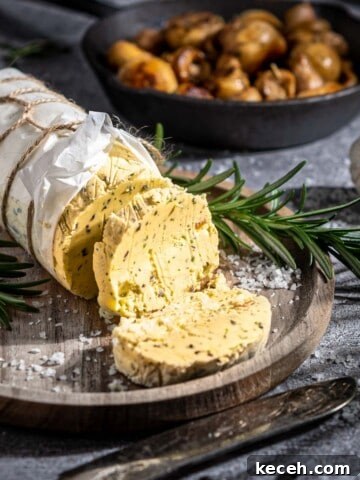
Homemade Roasted Garlic Butter
-
How to Make Butter Rosettes

Recipe

Easy beetroot hummus
Ingredients
- 250 gram cooked beetroot
- 240 gram chickpeas – canned (drained)
- 30 millilitre lemon juice (about one medium lemon)
- 2 tablespoons tahini
- 1 teaspoon cumin
- 1 teaspoon crushed garlic
- 1 teaspoon coarse sea salt
- Few grinds of black pepper
- 3 tablespoons olive oil
Instructions
- Place the cooked beetroot, chickpeas, lemon juice, tahini, cumin, garlic, salt and pepper into a food processor and blend to a coarse paste.
- Scrape down the sides and base of the bowl to incorporate any ingredients that have settled.
- Add the olive oil and blend again until you reach the consistency you like.
- Spoon into a serving dish and serve with warm pita, crackers or crusty bread.
Nutritional data disclaimer
Nutritional information is calculated by a third party and may not be exact. Values can vary by brand and ingredient choices. Consult a qualified professional for personalised dietary advice.
Nutrition
Carbohydrates: 17 g |
Protein: 5 g |
Fat: 11 g
For food safety advice, consult relevant official guidance on allergies and safe food handling.