Sensory Play Activities for kids of all ages.
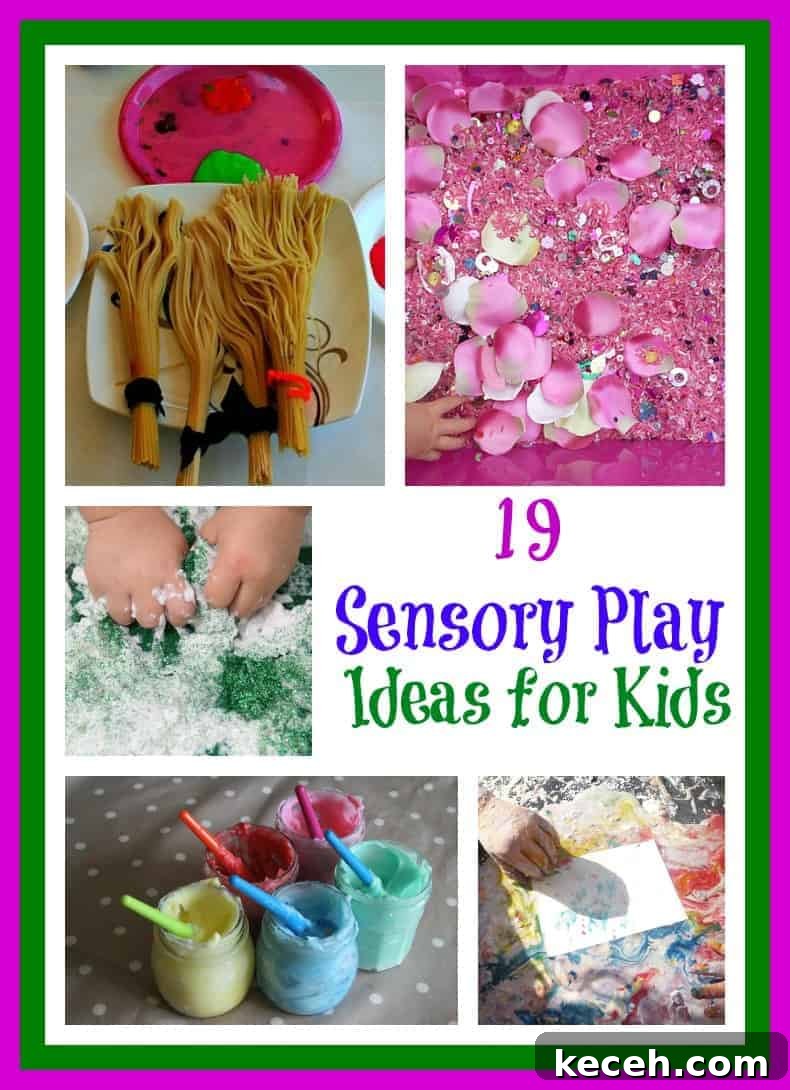
19 Sensory Play Activities For Kids
Engage your child’s curiosity and senses with simple, hands-on activities that encourage exploration, creativity, and learning. Sensory play supports fine motor skills, language development, problem-solving, and emotional regulation. Below are 19 ideas suitable for toddlers through early elementary ages — many can be adapted for younger babies or older children by changing materials, supervision, or complexity.
Sensory Play Activities:
Try these approachable sensory projects to spark imagination and help children explore texture, sound, sight, smell, and taste in safe, playful ways. Most use everyday items you likely already have at home.
- Homemade Rubbery Goob — a squishy, tactile mixture that stretches, squeezes, and helps kids explore viscosity and pressure.
- Exploring Marshmallows with the Five Senses — use marshmallows to investigate texture, smell, taste, sound, and sight while practicing descriptive language.
- Rainbow Sensory Play — colored rice, pasta, or water beads arranged in rainbow patterns to practice color recognition and fine motor coordination.
- Sparkles, Flowers and Fairies Sensory Tub — a themed sensory bin combining natural elements and safe sparkles for imaginative storytelling.
- Primary Colors Squishy Bag — sealed squishy bags filled with colored gel or hair gel for safe, mess-free tactile exploration.
- Sensory Activity with Pasta — dry or cooked pasta offers a range of textures; paint, dye, or hide small objects for scooping and sorting games.
- Goop and Flower Cupcakes — a mixable goop with flower decorations that invites scooping, squishing, and imaginative cooking play.
- Edible Indoor Sandbox — use edible materials like cereal or cooked grains in a contained bin for young children who still mouth objects.
- Rice Cereal Sensory Tray — a tray filled with rice cereal and simple tools for pouring, sifting, and discovery.
- Bucket of Colorful Spaghetti Worms — dyed spaghetti creates slippery, wiggly textures great for scooping and pretend play.
- Fruity Cheerios Activity — use cereal loops for stringing, sorting by color, and counting exercises that build fine motor skills.
- Ice Sensory — frozen objects and colored ice introduce temperature awareness and slow experimentation as items melt.
- Paint with Spaghetti Brooms — attach cooked spaghetti to a brush or stick to create unusual paint textures and patterns.
- Play Dough Construction Site — combine play dough with toy vehicles, tools, and blocks to build, sculpt, and dig.
- Edible Finger Paint — safe, edible paints allow young children to finger-paint without worry and explore color mixing.
- Treasure Box — hide small treasures in a box filled with tactile filler (paper, beans, rice) for digging and discovery.
- Marbled Oobleck — a non-Newtonian mixture of cornstarch and water with swirled colors that feels both solid and liquid.
- Spaghetti Potion — mix spaghetti with colored water, scoops, and droppers to practice pouring and stirring.
- Sparkle Soap Mud — a foamy, soapy mud that cleans up easily and offers a sparkly, squishy feel for imaginative sensory play.
Tips for safe sensory play:
- Always supervise young children, especially when small pieces or edible materials are involved.
- Use non-toxic, age-appropriate materials and avoid common allergens when possible.
- Contain messy activities in a bin or on a washable surface for easier cleanup.
- Encourage descriptive language by asking questions: “Does it feel squishy or grainy?” “What color do you see?”
- Adapt activities for developmental level: make materials larger for toddlers and add fine-motor challenges for older kids.
These sensory activities are flexible, inexpensive, and fun to customize. Rotate materials and themes to keep children engaged and to stimulate different senses over time. Enjoy the mess — and the learning — together.