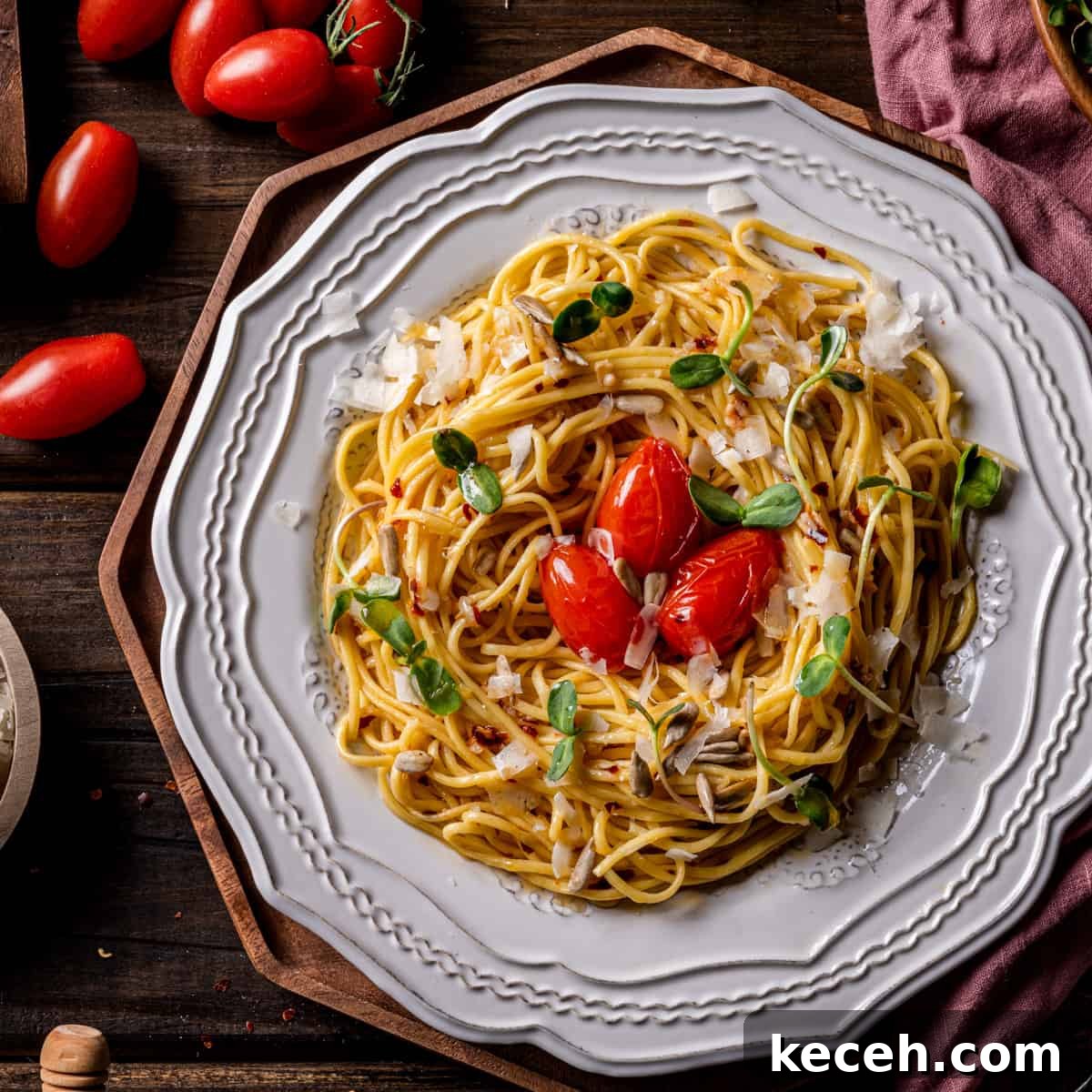
No dinner plan? No problem. If you have good olive oil, garlic, and dried pasta in the pantry, you can make a meal that feels deliberate even though it’s effortless. This version of spaghetti aglio e olio, brightened with blistered tomatoes, is simple, deeply satisfying, and ready in about 20 minutes.
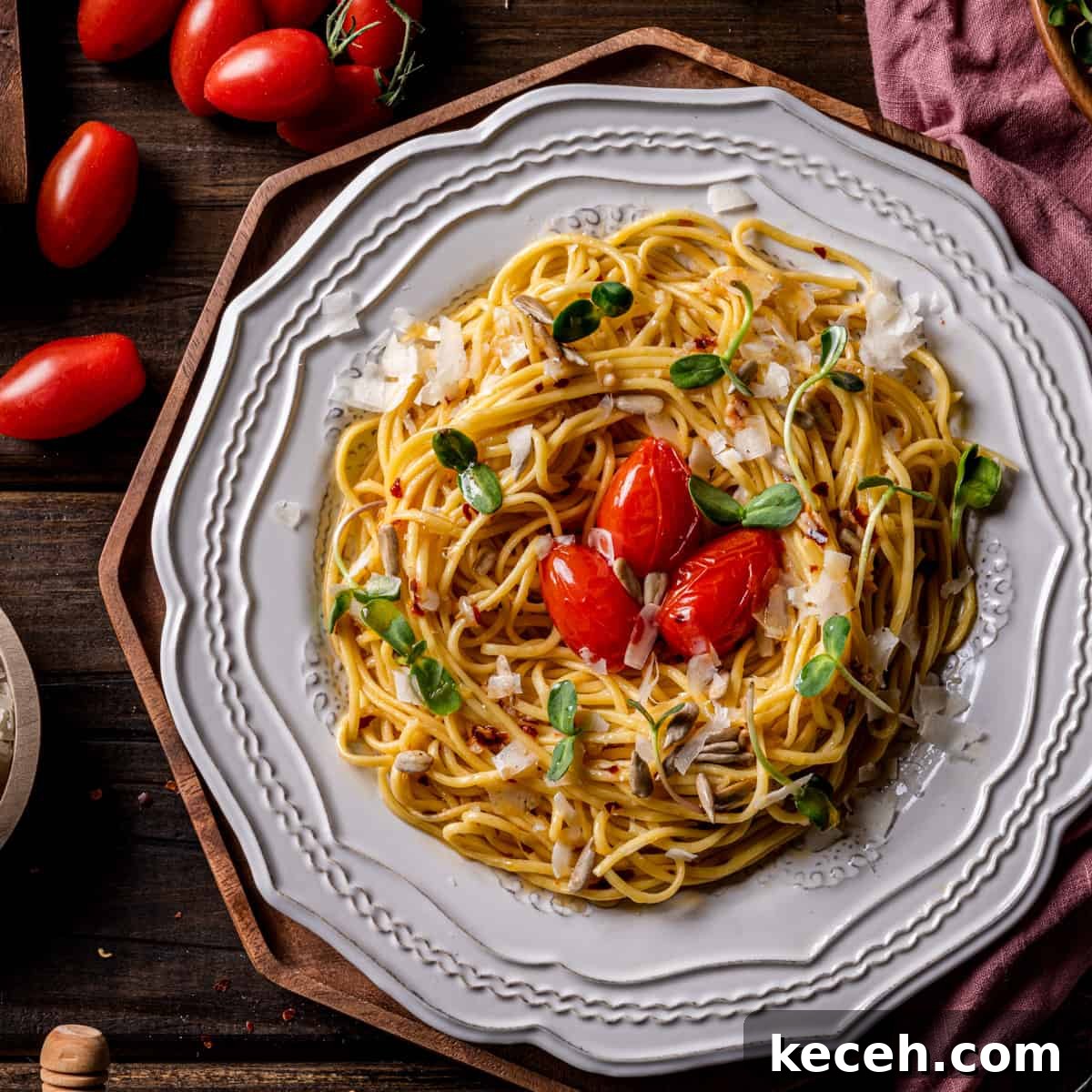
Spaghetti aglio e olio is the kind of dish Italian grandmothers turn to when they want something honest and excellent without fuss. At its core it’s garlic and oil; adding blistered grape tomatoes brings sweetness, texture, and a light sauce that keeps the dish bright and repeat-worthy.
This recipe takes about 20 minutes from start to finish and delivers restaurant-worthy flavor with minimal ingredients and attention.
[feast_advanced_jump_to]
Why You’ll Love this Recipe
- Packed with authentic Italian flavor
- Super fast to prepare
- Delicious simplicity at its best
- Made with pantry staples you likely already have
- Highly adaptable — almost anything can be added to change the dish
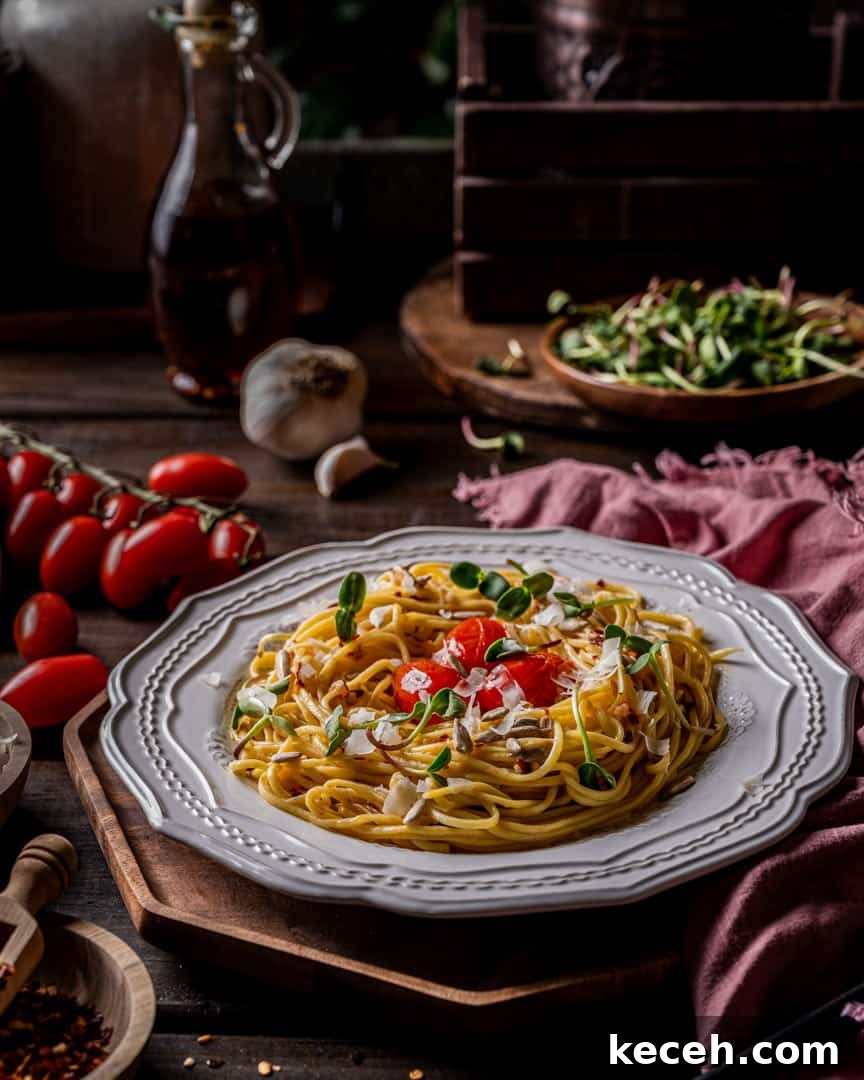
Where This Dish Comes From and Why It Still Matters
Aglio e olio is classic Italian late-night and everyday food—what cooks throw together after service, what students make between studying, what anyone cooks when time and appetite demand something good. Literally “garlic and oil,” the traditional version is pasta tossed with gently cooked garlic, quality olive oil, and sometimes a touch of crushed red pepper. It’s minimal, but technique makes all the difference.
When you get the heat and timing right, the garlic becomes sweet and nutty, the oil turns silky, and the pasta is perfectly coated. Blistered tomatoes are a modern addition that deepen the flavor and add a pleasant sweetness without weighing the dish down. They split and release a little juice in the pan, creating a light, flavorful sauce that complements the garlic and oil.
Why This Version Works Better Than Most
Small details turn a bland plate into something memorable. This version emphasizes those details:
- Time the garlic with the pasta: Start the garlic late so it stays pale and fragrant rather than dark and bitter.
- Blister the tomatoes first: Cook whole grape tomatoes in a dry pan to concentrate their sweetness without turning them to mush.
- Use low heat for garlic and chili: A gentle sizzle builds flavor without burning.
- Toss pasta in the pan: Finish the spaghetti in the skillet so it absorbs the garlicky oil and tomato juices, emulsifying into a glossy, clingable sauce.
It’s simple, but it demands focus. No multitasking—stay at the stove for the best results.
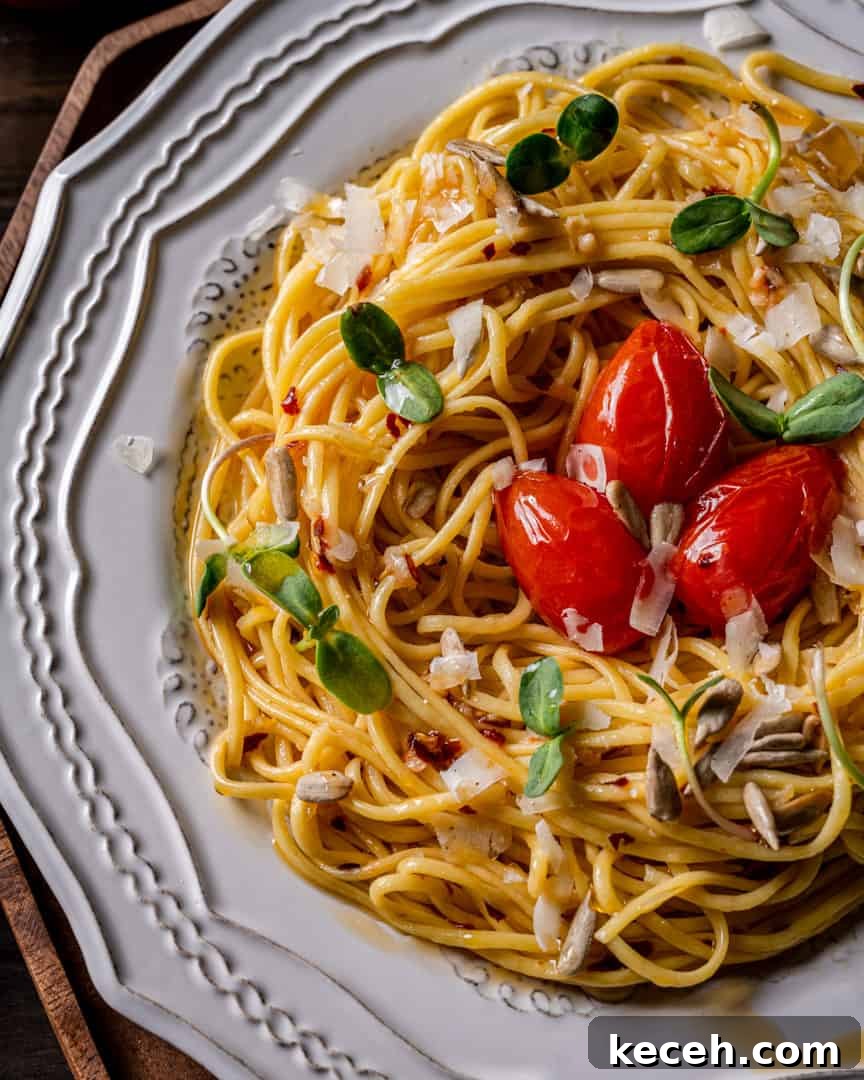
How to Make Spaghetti Aglio e Olio
This is a one-pot, one-pan meal that depends on timing and attention. Follow the steps in order and keep the heat moderate.
Ingredients
- Spaghetti: Use dried pasta — it has the right starch and texture for the sauce to cling.
- Extra virgin olive oil: Quality matters because you taste it. Choose something fruity and peppery.
- Kosher salt: Salt your pasta water well; it should taste like the sea.
- Grape tomatoes: Small, sweet, and less watery than larger tomatoes. Leave them whole so they can blister and split.
- Garlic: Minced (not sliced) for even cooking and better distribution in the oil.
- Red pepper flakes: About 1 to 1½ teaspoons for a gentle kick; adjust to taste.
- Optional garnishes: Sunflower microgreens, roasted sunflower seeds, grated Parmigiano Reggiano, and an extra drizzle of olive oil to finish.
Equipment
No specialty gear required, but these basics help:
- Large pot: Wide enough so the spaghetti isn’t crowded.
- Large skillet or sauté pan: A 12-inch pan gives tomatoes space to blister and room to toss the pasta.
- Garlic press or microplane: For evenly minced garlic.
- Tongs or pasta fork: To transfer and toss the pasta in the skillet.
Step-by-Step Instructions
Start Your Pasta Water
- Bring a large pot of well-salted water to a rolling boil. Add the dry spaghetti and cook according to package directions, testing for al dente a minute before the indicated time.
Make the Aglio e Olio
- When the pasta is about 70% cooked, warm a large skillet over low heat. Add the olive oil, then add the whole grape tomatoes. Let them char and blister for a couple of minutes. Add the minced garlic and red pepper flakes and cook another minute — the garlic should gently sizzle and turn pale gold, not brown.
- Remove the skillet from heat. Reserve about ½ cup of pasta cooking water, then drain the spaghetti. Immediately add the drained pasta to the skillet and toss vigorously, adding a splash of the reserved pasta water if the mixture seems dry. Taste and adjust salt as needed.
Garnish and Serve
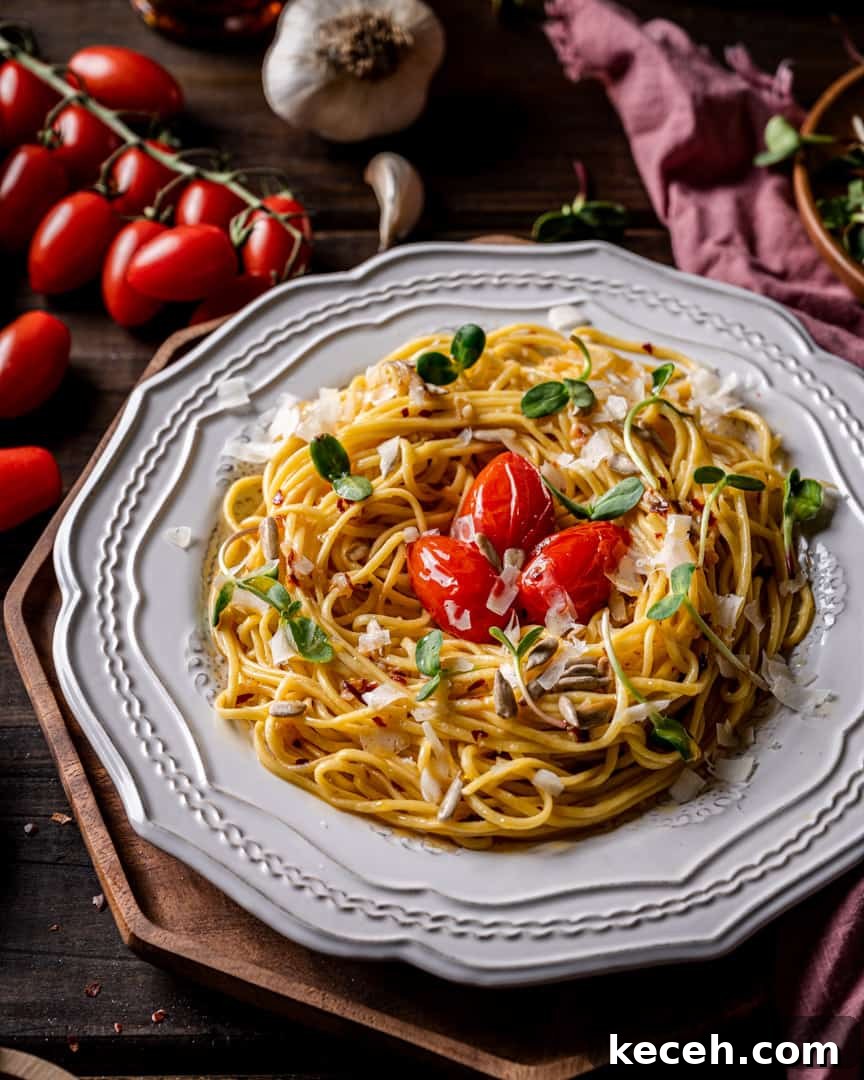
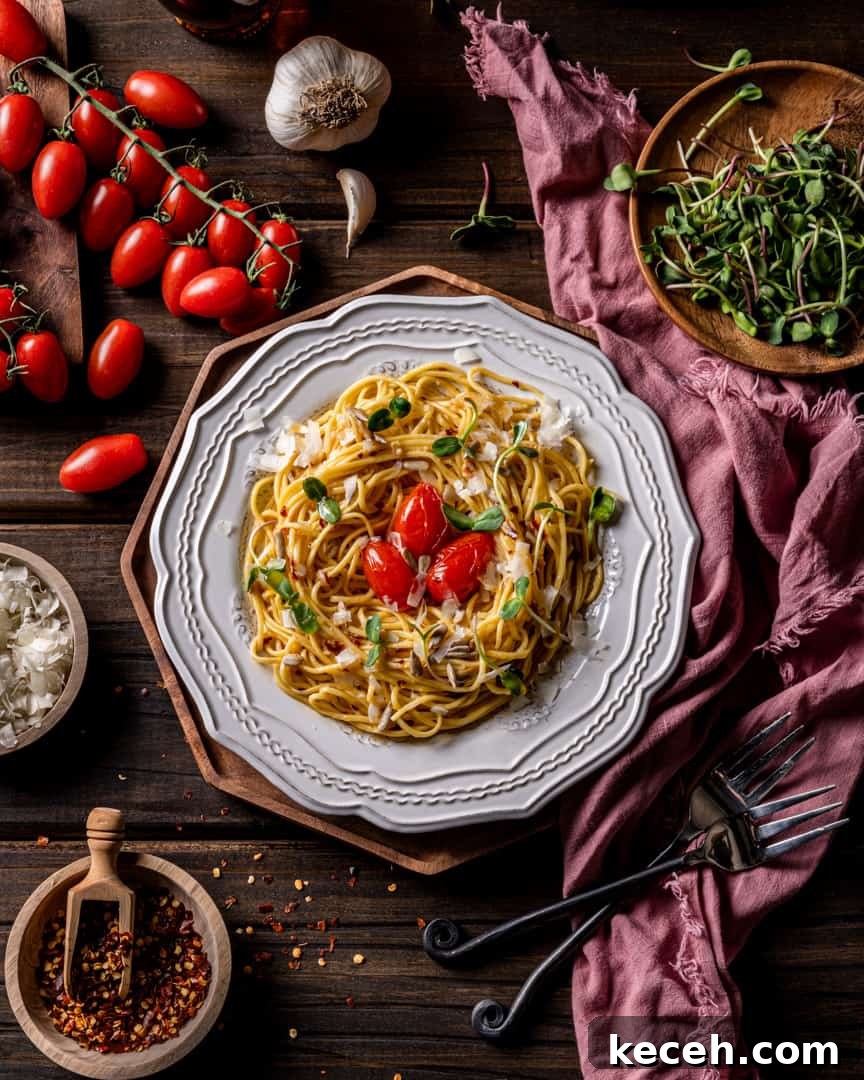
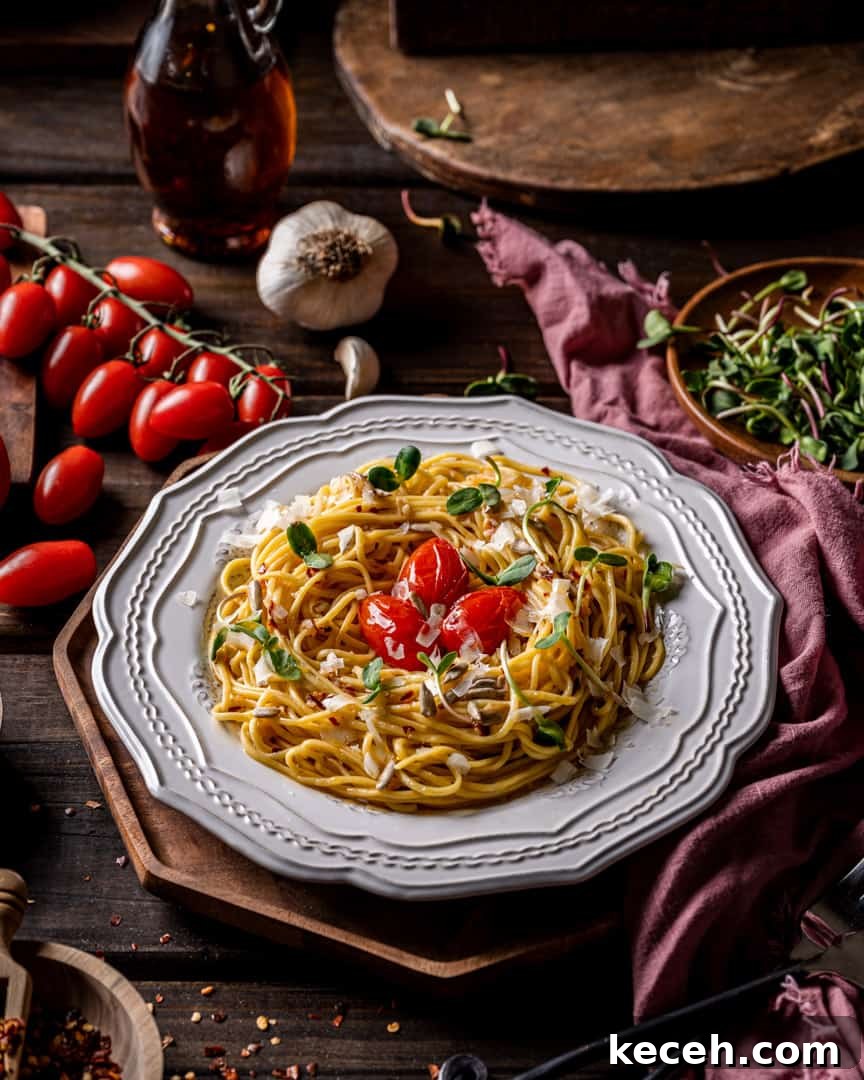
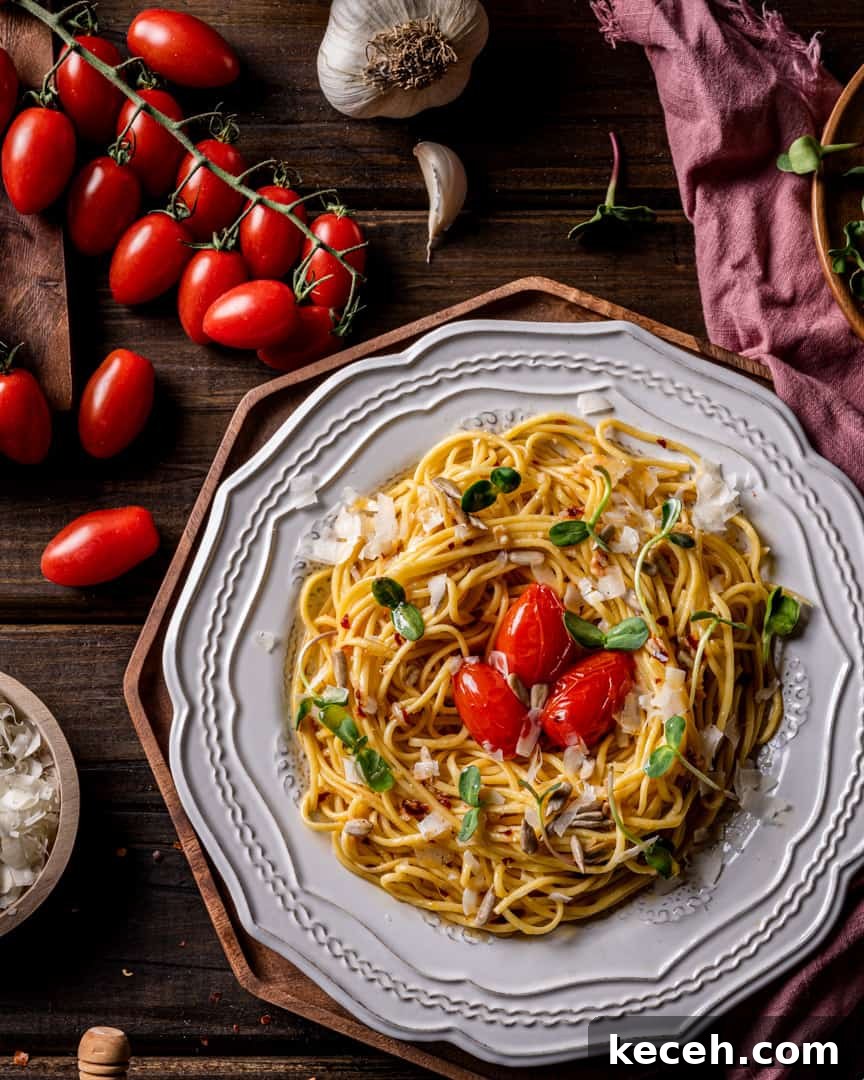
- Finish with a drizzle of extra virgin olive oil and, if you like, grated Parmesan. Garnish with sunflower microgreens and roasted sunflower seeds for texture and brightness.
How to Know When It’s Done
Trust your senses:
- Pasta: Pull it a minute before package time. Al dente should be tender with a slight bite; it will finish cooking in the hot skillet.
- Tomatoes: The skins should be blistered and splitting, concentrated but still holding shape.
- Garlic: Look for pale-golden, fragrant garlic that sizzles gently. If it darkens quickly, remove the pan from heat to prevent bitterness.
- Finished dish: The pasta should be glossy and evenly coated with oil and tomato juices, not greasy or dry. Add reserved pasta water or a touch more oil to adjust the texture.
Variations and Substitutions
This recipe is flexible—here are a few ways to change it:
- Add anchovies: Melt 3–4 anchovy fillets into the oil for a savory umami boost.
- Swap in shrimp: Add peeled shrimp with the garlic; they cook in about 2 minutes for a protein-forward meal.
- Greens: Toss in arugula, baby spinach, or torn basil just before serving so they wilt slightly.
- Lemon zest: Add zest of one lemon when you toss the pasta to brighten the dish.
- You can also omit the tomatoes and serve a traditional garlic-and-oil version if you prefer.
Storage
Aglio e olio is best fresh, but leftovers keep for a few days if stored properly.
- To store: Place leftovers in an airtight container and refrigerate up to 3 days. The pasta will absorb oil and may dry slightly.
- To reheat: Warm gently in a skillet over medium-low heat with a splash of water or olive oil, tossing until heated through (3–4 minutes). Add salt or extra oil as needed.
- Freezing: Not recommended; freezing alters texture and the tomatoes will become mushy.
How to Turn Leftovers Into Something New
Leftover aglio e olio can be refreshed and repurposed:
Grain bowl base: Use the pasta as a base, top with roasted vegetables, a fried egg, and a drizzle of tahini or yogurt sauce.
Pasta salad: Let the pasta cool to room temperature, then toss with fresh arugula, halved cherry tomatoes, mozzarella, and lemon.
Baked pasta: Spread leftovers in a baking dish, top with shredded mozzarella and breadcrumbs, and bake at 400°F until golden and crisp.
Top Tips from the Pros
- Taste the pasta water: Properly salted water is the foundation of well-seasoned pasta.
- Reserve pasta water: A splash of starchy cooking water helps bind the sauce and create a silky finish.
- Pull the pan off the heat early: Garlic keeps cooking from residual heat, so remove the skillet as soon as the garlic turns pale gold to avoid bitterness.
What to serve with Spaghetti Aglio e Olio
This works perfectly as a stand-alone meal, but add a simple protein or sides to round it out. Grilled chicken thighs or a light baked fish pair well. For sides, serve a bitter green salad with lemon vinaigrette, roasted broccolini, or sautéed greens. Crusty bread is always welcome for mopping up the garlicky oil.
What Wines To Drink with Spaghetti Aglio e Olio
The dish pairs well with wines that offer brightness and acidity:
- White: Crisp Italian whites like Vermentino or Verdicchio complement the olive oil and garlic.
- Light red: Low-tannin, high-acid reds such as a slightly chilled Valpolicella or young Chianti work nicely with the tomatoes.
- Sparkling: Prosecco or a dry sparkling rosé adds lift and refreshes the palate between bites.
Looking for more Italian recipe inspo?
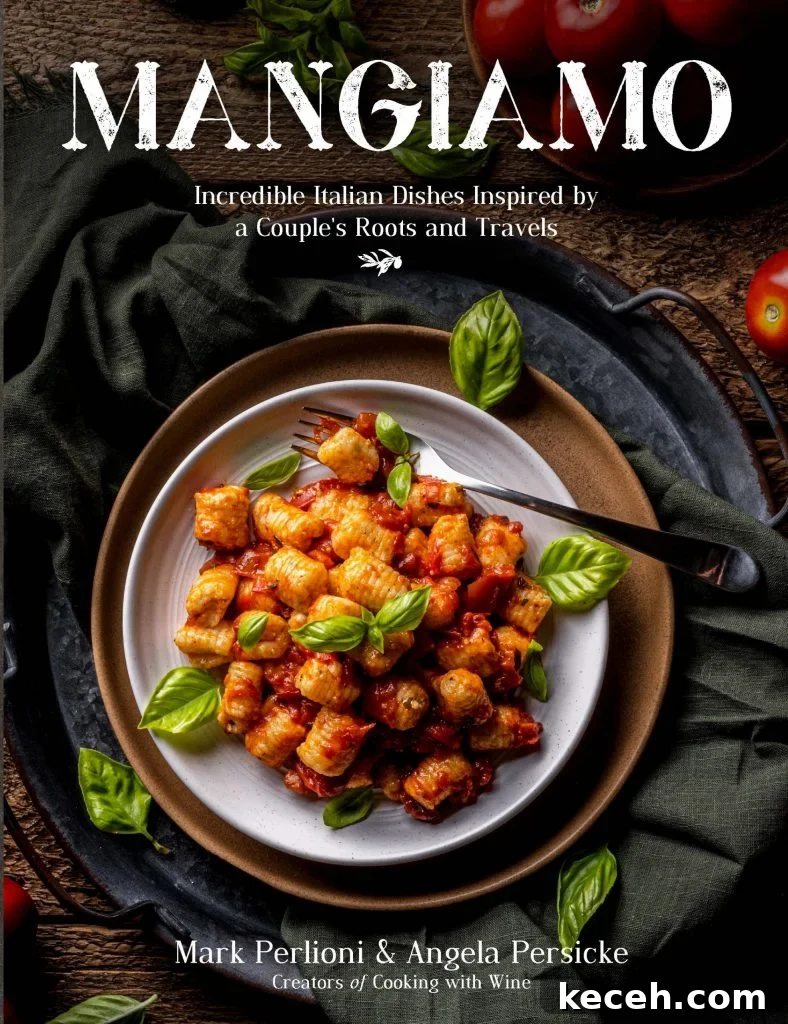
If you want more Italian-inspired recipes, consider exploring additional collections and cookbooks for fresh ideas and variations.
FAQ
Traditional aglio e olio is simply garlic and olive oil, sometimes finished with a splash of pasta water to help the sauce bind.
This simple pasta has roots in Southern Italy—regions like Campania and Abruzzo—but it is now associated widely throughout Italy, including Rome.
Use a decent extra virgin olive oil. While gentle heating will mellow some of its top notes, finishing with a drizzle of a good oil adds brightness and depth.
Related
Looking for more quick and easy recipes? Try other simple Italian-inspired dishes for weeknight dinners and easy entertaining.
-
Grilled Mortadella Skewers with Burrata & Italian Herb Sauce
-
Lemony Basil Pesto Potato Salad (Easy Summer Side)
-
Fig Prosciutto and Honeydew Bites – Easy Appetizer Recipe
-
Italian Herb Grilled Chicken Thighs with Lemon Vinaigrette


📖 Recipe

20-Minute Spaghetti Aglio e Olio with Blistered Tomatoes
Equipment
-
Large pot to cook the pasta
-
Large skillet to make the aglio e olio
-
Garlic press or microplane to mince the garlic
-
Colander to drain the pasta
Ingredients
- 12 oz spaghetti dry
- 6 tablespoon extra virgin olive oil
- 20 grape tomatoes (whole)
- 5 large cloves garlic, minced
- 1 ½ teaspoon red pepper flakes
- Salt to taste
Optional Garnish
- Sunflower Microgreens (for garnish)
- Roasted Sunflower Seeds (for garnish)
- Grated Parmigiano Reggiano (for garnish)
- Extra Virgin Olive Oil (for garnish)
Instructions
Start Your Pasta Water
-
Bring a large pot of salted water to a boil. Add the dry spaghetti and cook following package directions, testing for al dente near the end of the cook time.12 oz spaghetti
Make the Aglio e Olio
-
When the pasta is about 70% cooked, warm a large pan over low heat. Add the olive oil for 30 seconds, then add the whole grape tomatoes. After about two minutes add the garlic and red pepper flakes and cook for about one minute—garlic should gently sizzle and turn pale gold.6 tablespoon extra virgin olive oil, 20 grape tomatoes (whole), 5 large cloves garlic, minced, 1 ½ teaspoon red pepper flakes
-
Remove the pan from heat. Reserve about ½ cup pasta water, drain the spaghetti, then add it to the pan. Toss thoroughly, adding pasta water if needed to loosen and emulsify the sauce.
Garnish (optional) and Serve
-
Drizzle extra virgin olive oil and add grated Parmesan if desired. Garnish with sunflower microgreens and roasted sunflower seeds for texture.
Notes
- Add anchovies: Melt 3–4 anchovy fillets into the oil for savory depth.
- Swap in shrimp: Add peeled shrimp with the garlic for a quick protein boost.
- Use greens: Toss in arugula, baby spinach, or torn basil just before serving.
- Lemon zest: Add zest of one lemon when tossing the pasta for brightness.
- You can also skip the tomatoes and make the classic garlic-and-oil version.
Storage:
- Store: Refrigerate leftovers in an airtight container up to 3 days.
- Reheat: Warm gently in a skillet with a splash of water or oil, tossing until heated through.
- Freeze: Not recommended—freezing changes texture and softens the tomatoes excessively.
Top Tips from the Pros:
- Taste the pasta water: Ensure it’s well salted before adding pasta.
- Reserve pasta water: Use a splash to bind and loosen the sauce for a silky finish.
- Remove pan early: Pull the skillet off the heat as soon as the garlic is pale gold to avoid carryover browning and bitterness.