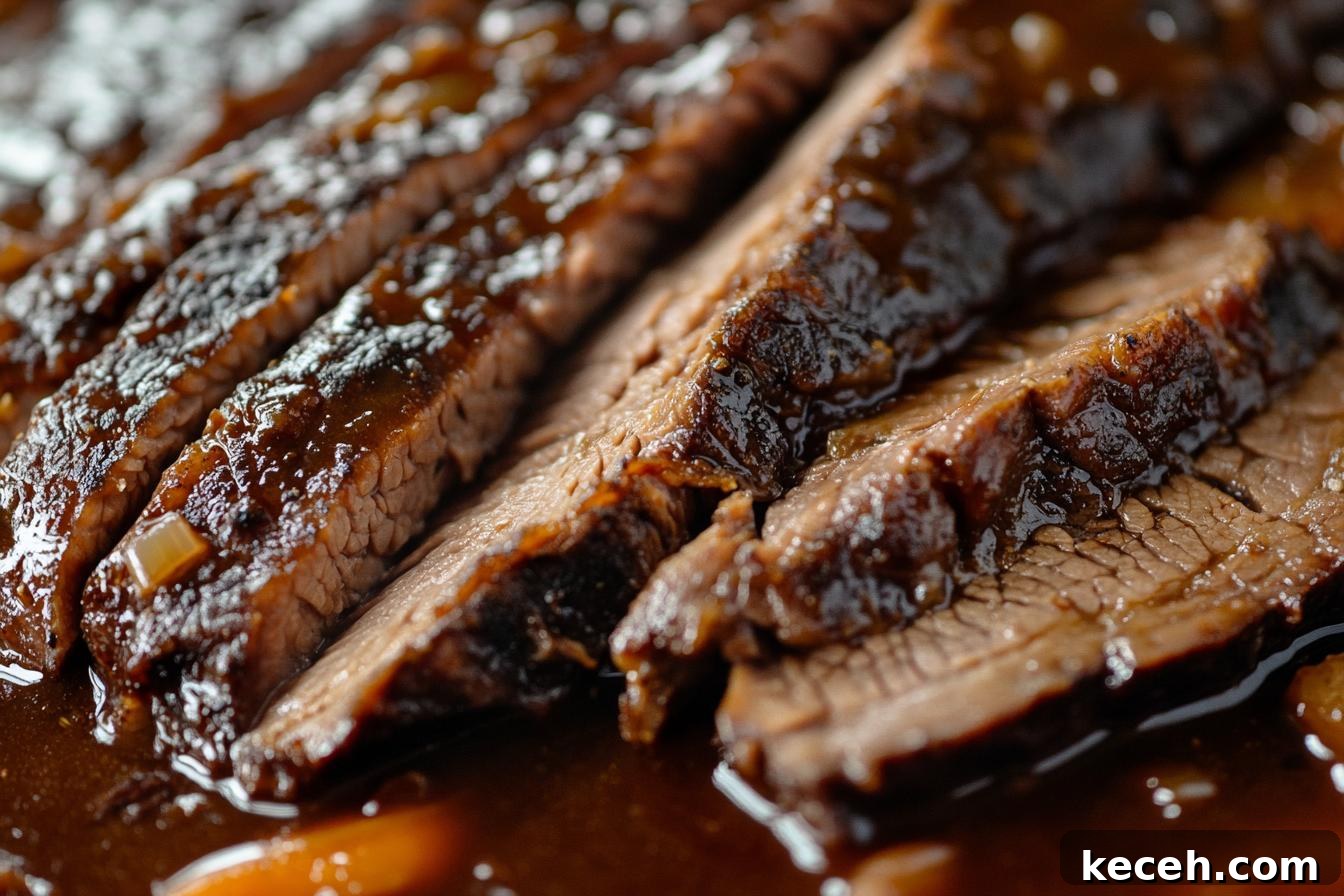
Let me take you back to a memory: a cold Sunday afternoon, the house filled with the irresistible aroma of slow-cooked meat, and my grandma’s Dutch oven working overtime. That’s where my love for beef brisket began. It’s more than a meal—it’s an experience that brings warmth and togetherness to any table.
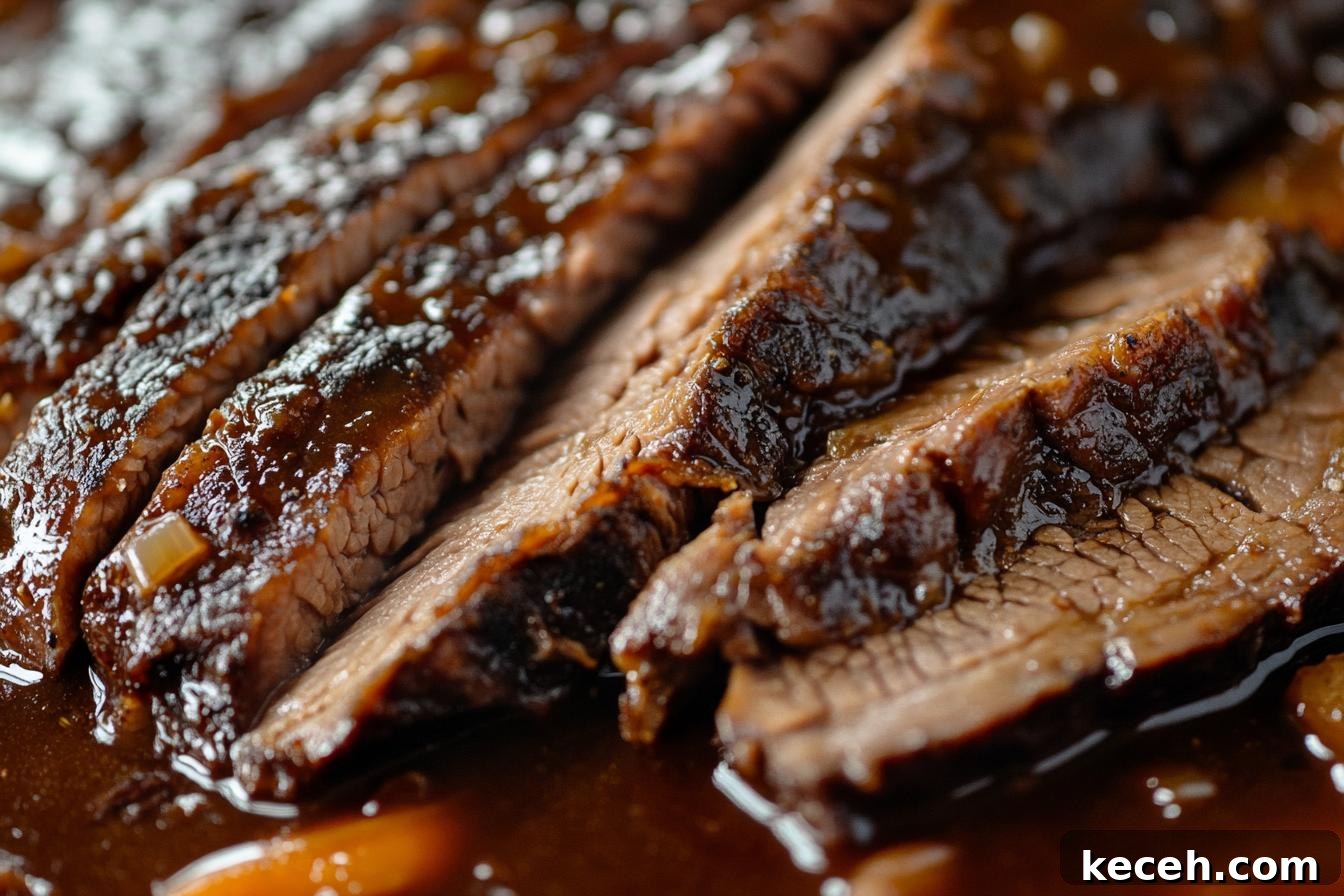
Dutch oven beef brisket is comfort food at its finest: tender, juicy, and rich with deep, developed flavors. Whether you’re feeding a crowd, prepping meals for the week, or simply enjoying a hearty dinner, this recipe delivers consistently excellent results. Below I explain why the Dutch oven is ideal, list the ingredients and substitutions, and give clear, practical steps so you can make a perfect brisket every time.
Why a Dutch Oven?
The Science of Slow Cooking
A Dutch oven is heavy cast iron with a tight-fitting lid designed to trap heat and moisture. Its excellent heat retention and even distribution make it ideal for long, gentle cooking. Tough cuts like brisket benefit from slow, steady heat: collagen breaks down into gelatin, resulting in meat that feels almost silky on the palate. The sealed environment keeps the braising liquid from evaporating too quickly, concentrating flavor and keeping the meat moist.
How It Compares
Compared with slow cookers and roasting pans, a Dutch oven offers more versatility. You can sear the meat directly in the same vessel before braising, which adds a caramelized crust and deeper flavor. Slow cookers make tender meat but don’t give the same sear; roasting pans can dry the meat unless you take extra care to maintain moisture. With a Dutch oven you get the best of both techniques.
Ingredients and Substitutions
Core Ingredients
- Brisket (3–4 pounds): Choose a flat-cut for neat slices or a point-cut for extra marbling and richness.
- Olive oil: For searing.
- Onion, garlic, thyme, rosemary: Aromatics that build the base flavor.
- Beef broth and red wine: The braising liquid that carries savory depth.
- Carrots and potatoes: Vegetables added to the pot that cook alongside the meat.
- Smoked paprika, black pepper, kosher salt: Seasoning to enhance the natural beef flavor.
Substitutions
If you prefer not to use wine, substitute extra beef broth with a splash of balsamic vinegar for acidity. For a sweeter, fruity twist, pomegranate juice can replace part of the liquid. The key is to maintain enough liquid to braise the brisket about halfway up the sides.
Pro tip: Season generously. Brisket is a large cut and needs ample seasoning to taste fully seasoned after cooking.
Step-by-Step Instructions
Prepare the Brisket
Trim excess fat but leave a thin layer to protect the meat and add flavor. Season well with kosher salt, black pepper, and smoked paprika. Let it rest briefly while you prepare the other ingredients.
Sear for Flavor
Heat the Dutch oven over medium-high until the oil shimmers. Sear the brisket 2–3 minutes per side until a deep, golden crust forms. Searing develops flavor through the Maillard reaction and gives the finished dish a richer taste.
Build the Flavor Base
Sauté sliced onions in the same pot for a couple of minutes, then add minced garlic and cook until fragrant, about 30 seconds. These steps lift fond from the bottom of the pot and add complexity to the braising liquid.
Braise the Brisket
Return the brisket to the Dutch oven. Pour in beef broth and red wine (or your substitute) so the meat is about halfway submerged. Scatter carrots, potatoes, thyme, and rosemary around the brisket. Bring the liquid to a gentle simmer on the stovetop, then cover and transfer to a 275°F oven.
Slow Cook
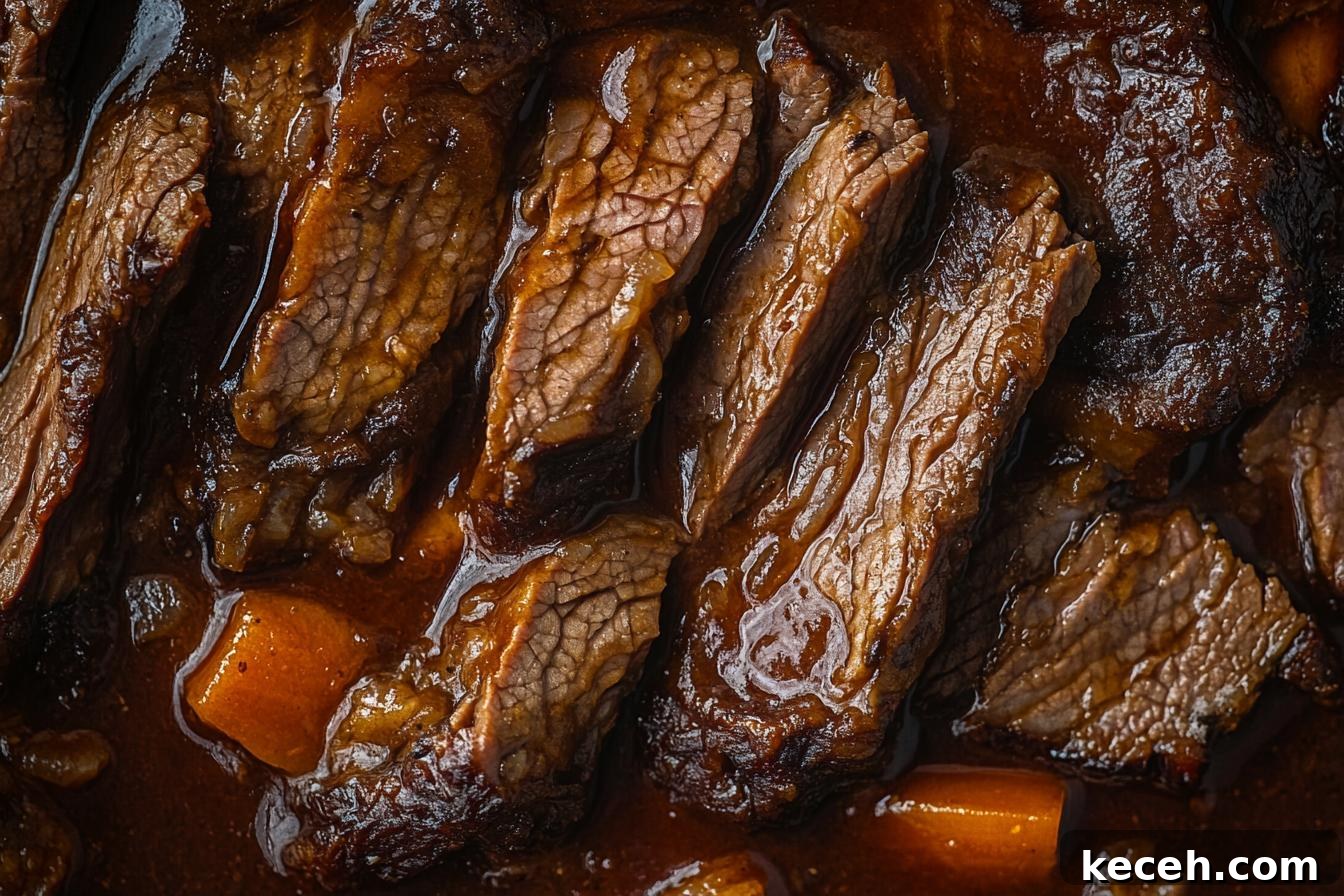
Cook low and slow for 3–4 hours depending on size. Check occasionally to ensure there’s enough liquid; add more broth if it’s reducing too much. Brisket is done when it reaches 195°F–205°F internal temperature and is fork-tender.
Rest and Carve
Transfer the brisket to a cutting board and tent loosely with foil for 15–20 minutes so juices redistribute. Always slice against the grain to shorten the muscle fibers and ensure each bite is tender.
Serving and Leftovers
Serving Suggestions
Brisket pairs beautifully with creamy mashed potatoes, roasted vegetables, or warm crusty bread. For a different presentation, shred the meat for tacos or layer it on sandwiches with a tangy slaw.
Leftovers
Leftover brisket reheats well: use it in breakfast hash, quesadillas, or atop a baked potato. Store cooled brisket in an airtight container with some braising liquid to keep it moist. It will keep up to four days in the fridge or about three months in the freezer.
Advanced Tips
Texture and Timing
Patience is essential. Cooking too quickly yields tough meat. Maintain a low oven temperature and allow the connective tissue to melt slowly into gelatin for the best texture.
Reheating
Reheat covered in a 300°F oven until warmed through, adding a little reserved braising liquid if needed to preserve moisture.
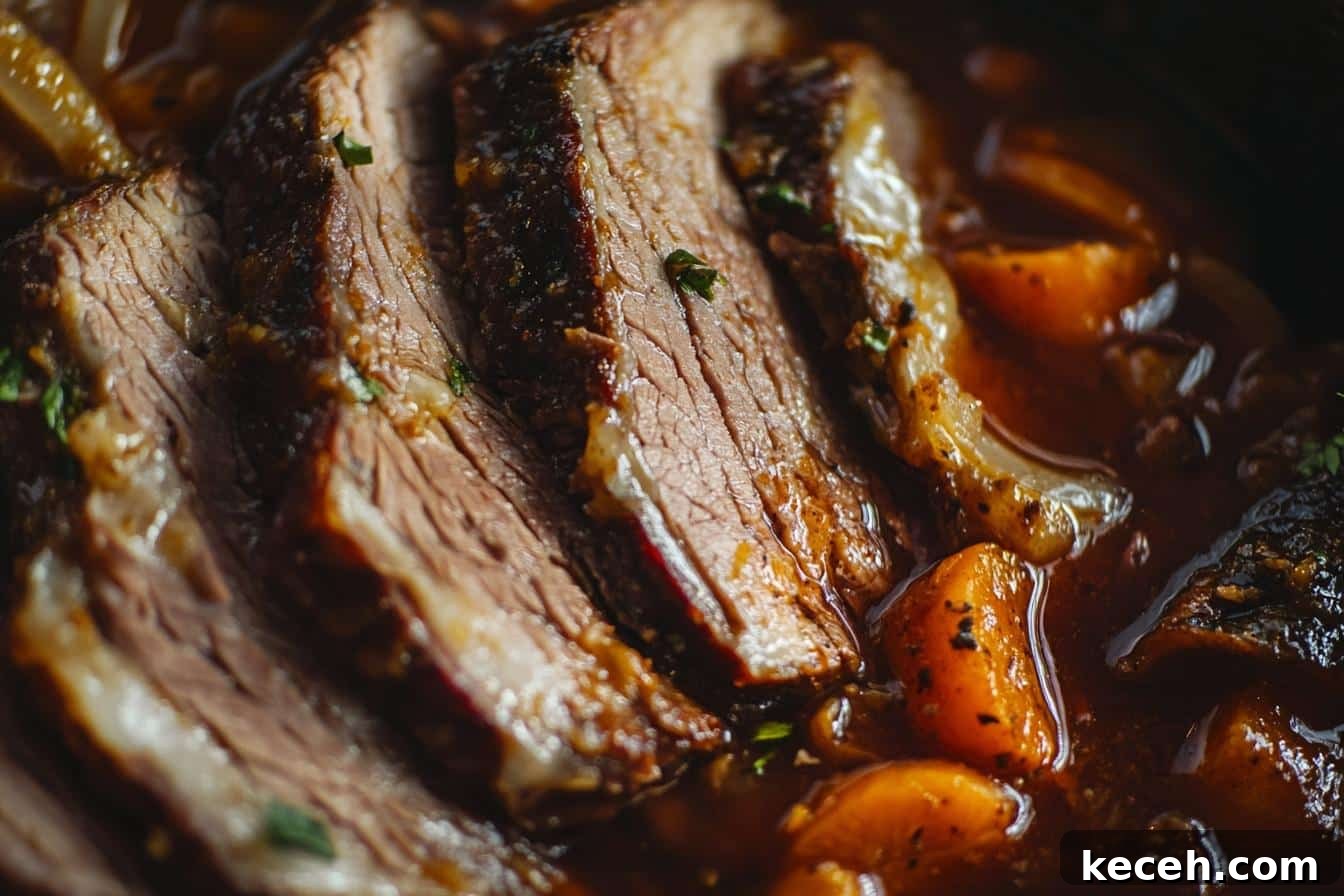
Overall, Dutch oven beef brisket is about the ritual as much as the result: the slow simmer, the deep aromas, and the satisfaction of sharing a thoughtfully cooked meal. Follow these steps, respect the low-and-slow method, and you’ll have a reliably tender, flavorful brisket that brings people together.
OTHER RECIPES YOU’LL LOVE
-
- Dutch Oven Beef Short Ribs
- Dutch Oven BBQ Pulled Pork
- Dutch Oven Braised Chicken Thighs
- Dutch Oven Top Round Roast
- Dutch Oven Sirloin Tip Roast

Dutch Oven Beef Brisket
Ingredients
- 3-4 pounds beef brisket flat-cut for slices or point-cut for more marbling
- 2 tablespoons olive oil
- 1 large onion sliced
- 4 garlic cloves minced
- 2 cups beef broth
- 1 cup red wine or beef broth with 2 tablespoons balsamic vinegar as a substitute
- 3 medium carrots peeled and cut into chunks
- 2 medium potatoes quartered
- 2 sprigs fresh thyme
- 2 sprigs fresh rosemary
- 1 teaspoon smoked paprika
- 1 teaspoon ground black pepper
- 2 teaspoons kosher salt
Instructions
Prepare the Brisket
-
Trim excess fat from the brisket, leaving a thin layer for moisture and flavor.
-
Season the brisket generously on all sides with salt, pepper, and smoked paprika. Let it sit for 10 minutes while you prep the other ingredients.
Sear for Flavor
-
Heat olive oil in the Dutch oven over medium-high heat until shimmering.
-
Sear the brisket for 2-3 minutes on each side, forming a golden-brown crust. Set aside.
-
Pro Tip: Don’t skip this step—searing locks in the flavor and adds depth to the dish.
Build Your Flavor Base
-
In the same Dutch oven, add onions and cook for 2 minutes until softened.
-
Add garlic and sauté for 30 seconds until fragrant.
Braise the Brisket
-
Place the seared brisket back into the Dutch oven.
-
Pour in the beef broth and red wine, ensuring the brisket is about halfway submerged.
-
Add carrots, potatoes, thyme, and rosemary around the meat.
-
Bring the liquid to a gentle simmer, then cover with the lid.
Slow Cook in the Oven
-
Preheat your oven to 275°F (135°C).
-
Transfer the Dutch oven to the middle rack. Cook for 3–4 hours, checking occasionally to ensure the liquid hasn’t evaporated (add more broth if needed).
-
When is it done? Use a meat thermometer to check—brisket should reach an internal temperature of 195°F to 205°F for optimal tenderness.
Rest the Meat
-
Remove the Dutch oven from the oven and carefully transfer the brisket to a cutting board.
-
Tent it loosely with foil and let it rest for 15-20 minutes.
Serve and Enjoy
-
Slice the brisket against the grain for maximum tenderness.
-
Spoon the braising liquid over the slices for added flavor. Serve with the carrots, potatoes, and your choice of sides.