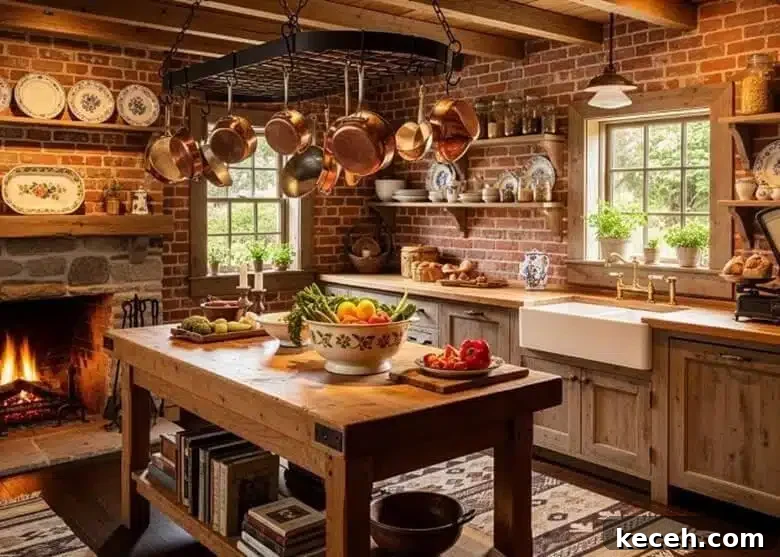
The kitchen is where family gathers, meals are shared, and memories are made. If you want a cozy, rustic kitchen that feels warm and inviting, this guide will help you create a space that balances charm and practicality. A well-designed rustic kitchen should reflect your home’s personality while making everyday tasks — from preparing gluten-free meals to testing favorite recipes — a pleasure.
Incorporating rustic elements doesn’t mean sacrificing modern convenience. It’s about combining natural materials, vintage details, and timeless design choices to craft a lived-in, comforting atmosphere. Below are key ideas to help you design a rustic kitchen that feels truly like home.
1. Embrace Natural Materials
Rustic kitchens often showcase wood, stone, and metal—materials that add warmth and texture. Start with cabinetry: reclaimed wood or distressed finishes instantly create a vintage feel. Open shelving made from solid wood or wood-paneled accents can add depth and display characterful cookware. Choose earthy tones that enhance wood’s natural beauty and accept small imperfections, which contribute to the kitchen’s authenticity.
Stone countertops or backsplashes introduce another layer of texture and durability. Natural stone such as granite or marble, or more economical options like slate, complement a rustic palette and add understated elegance. These surfaces are practical for food prep and reinforce the grounded, farmhouse aesthetic.
Warm metals, especially copper, are popular in rustic kitchens. Copper light fixtures, cookware, and sinks introduce a rich patina and tactile warmth. A copper farmhouse sink is attractive and functional, with a deep basin that handles heavy-duty cleaning and prep work. Opt for handcrafted finishes when possible to enhance the artisanal feel of the space.
2. Focus on Earthy Tones
Earthy colors create a welcoming, serene kitchen. Use warm browns, muted greens, soft beiges, and deep reds to echo natural landscapes. These hues work well on cabinets, walls, and larger furniture pieces, while accessories can carry accent tones.
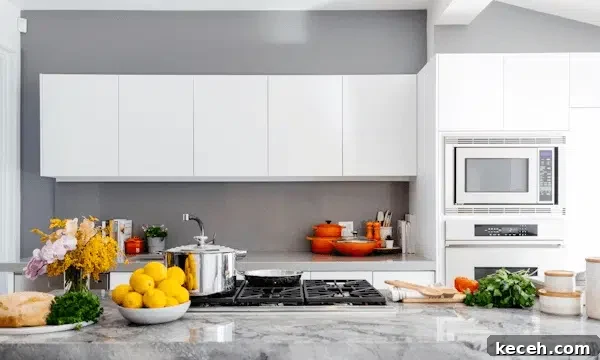
Introduce bold accents like mustard yellow or burgundy through textiles—curtains, cushions, or a rug—to add coziness without overwhelming the scheme. For contrast, pair earthy tones with matte black or dark metal fixtures to bring subtle, modern balance while maintaining the rustic charm.
3. Vintage and Handcrafted Accents
Vintage pieces and handcrafted items give a rustic kitchen personality. Display family heirlooms, antique cookware, or vintage-style appliances to create a sense of history. Decorative elements such as a rustic clock, mason jars, and farmhouse signs add storytelling touches that make the space feel personal.
Handmade kitchenware—copper pots, ceramic bowls, woven baskets—reinforces authenticity and supports artisan craftsmanship. Look for well-made pieces from small makers or markets; these items often age beautifully and become treasured parts of daily life in the kitchen.
4. Lighting That Complements the Rustic Style
Lighting sets the mood in a rustic kitchen. Choose fixtures that reflect country charm: pendant lights with wrought-iron details, wooden beam accents, or Edison-style bulbs cast a warm, inviting glow. Under-cabinet lighting helps illuminate work surfaces while keeping the overall ambiance soft.
Natural light is equally important. Large windows brighten the room and connect it to the outdoors. Farmhouse-style window treatments, like linen curtains or Roman shades, diffuse sunlight while maintaining an organic, relaxed feel.
5. Cozy Furniture and Accessories
Comfortable, functional furniture helps a rustic kitchen feel like a gathering place. A large farmhouse table encourages shared meals and conversation; mismatched chairs add charm and informality. Wooden stools at an island create a casual dining spot that’s perfect for quick meals.
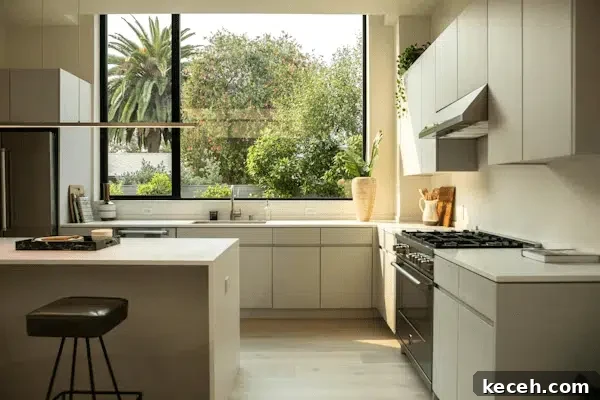
Small touches—handwoven baskets, soft throws, vintage crockery, and fresh flowers in jars—bring warmth and personality. These details make the kitchen feel cared for and lived-in without requiring elaborate decoration.
6. Organize and Declutter
A rustic kitchen should feel both cozy and functional, so organization is key. Avoid clutter by using smart storage: wooden crates, metal bins, and labeled containers keep essentials tidy. Open shelving works well in rustic designs, but curate displayed items so shelves look intentional rather than crowded.
Durable fixtures like a well-made copper sink combine beauty and function, ensuring your kitchen remains practical over time. Whether you prefer a hammered or smooth finish, choose pieces that fit the kitchen’s scale and daily use.
Final Thoughts
Creating a cozy, rustic kitchen means blending natural materials, vintage accents, and earthy tones to form an inviting, functional space. Focus on wood, stone, and warm metals to achieve a balance of charm and practicality. Thoughtful lighting, comfortable furniture, and curated decor will make the kitchen a warm hub for family and friends.
A rustic kitchen should reflect your personal style and feel timeless. By combining handmade details with thoughtful organization and a few modern touches, you can design a kitchen that feels like it has always belonged to your home.