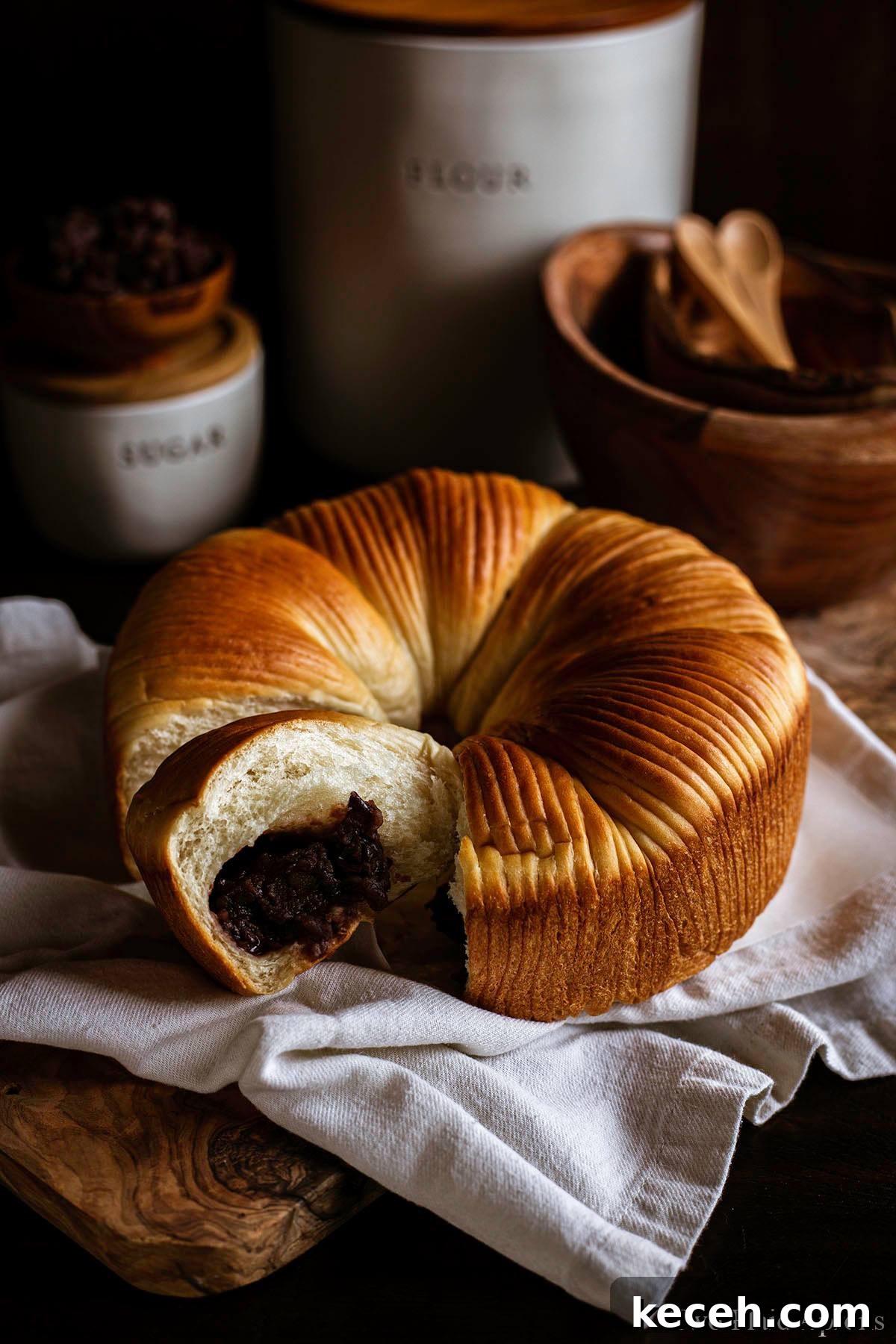
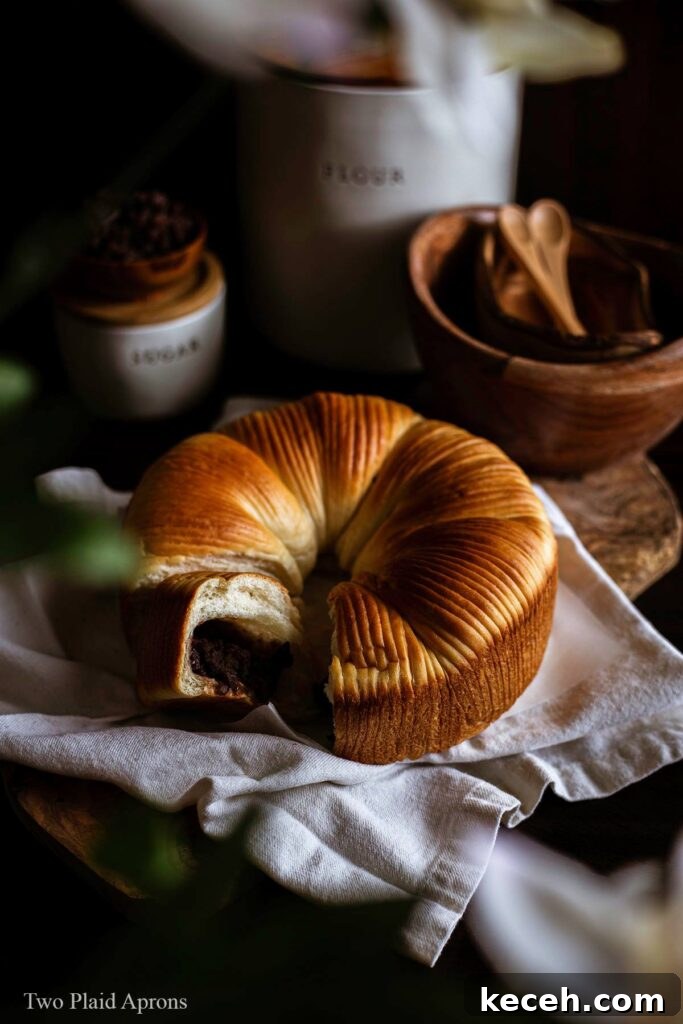
This eggless wool bread filled with red bean paste uses an easy milk-bread base for a pillowy, Instagram-worthy loaf with a springy, tender texture.
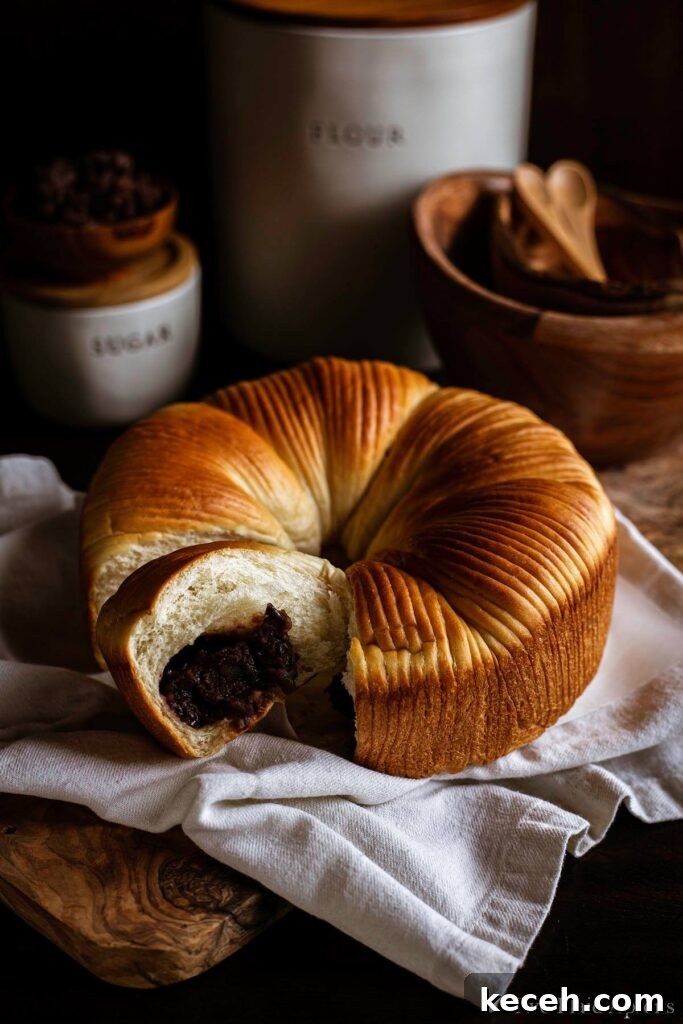
Wool bread joined the wave of viral Asian bakery trends alongside Korean cream cheese garlic bread and mochi-inspired buns. It’s easy to see why: soft, visually playful rolls shaped to resemble yarn, with a golden-brown crust and indulgent fillings. If you love soft, enriched breads and creative shapes, wool bread is a treat to make and enjoy.
What is wool bread?
Also called wool roll bread, this style is an enriched yeast bread shaped into rolled sections so the finished loaf looks like a spool of yarn. The result is tender, fluffy bread with attractive ridges that showcase the filling. It’s both tasty and whimsical—perfect for sharing or photographing.
Why use a milk-bread base
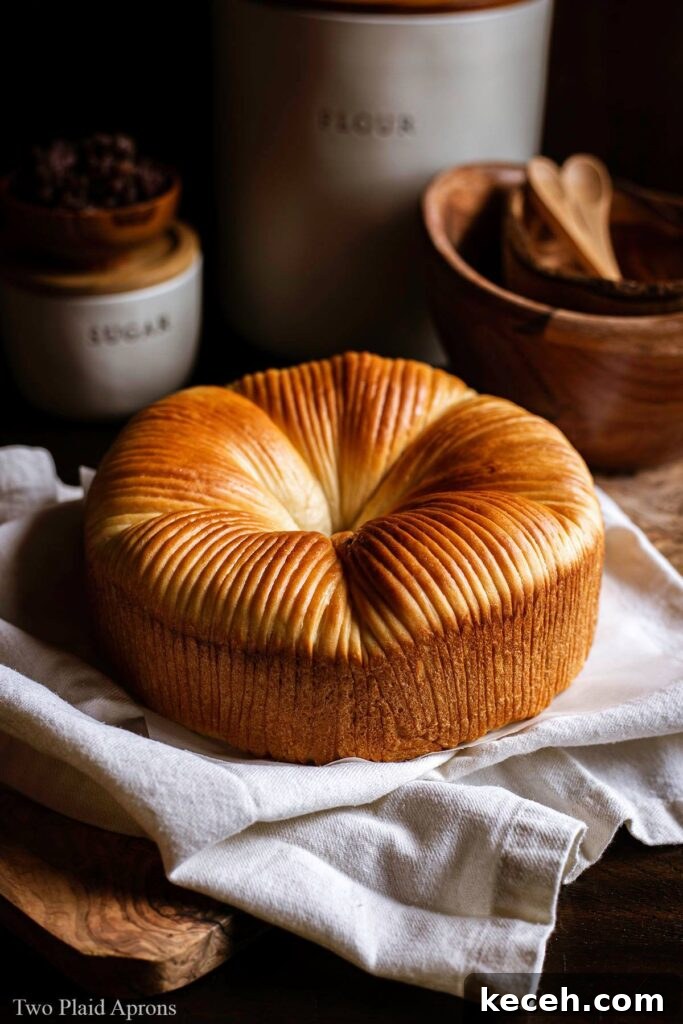
To achieve the soft, springy crumb wool bread is known for, a milk-bread (enriched) base is ideal. Milk bread stays moist, tender, and slightly glossy—perfect for the “wool” look. This recipe uses an eggless milk-bread version, which yields a very pale, wool-like interior while keeping the texture light and springy.
The role of boiling water (yudane/tangzhong)
Many Asian milk breads rely on a cooked-flour technique—either yudane or tangzhong—to retain moisture and improve texture. Yudane means pouring boiling water into flour to partially gelatinize it; tangzhong refers to cooking a water-flour roux until thickened. Gelatinizing part of the flour helps the dough absorb and hold more moisture without becoming sticky, producing a softer, longer-lasting loaf. For best results, use boiling water for yudane or cook the roux to around 150°F for tangzhong.
Homemade red bean paste
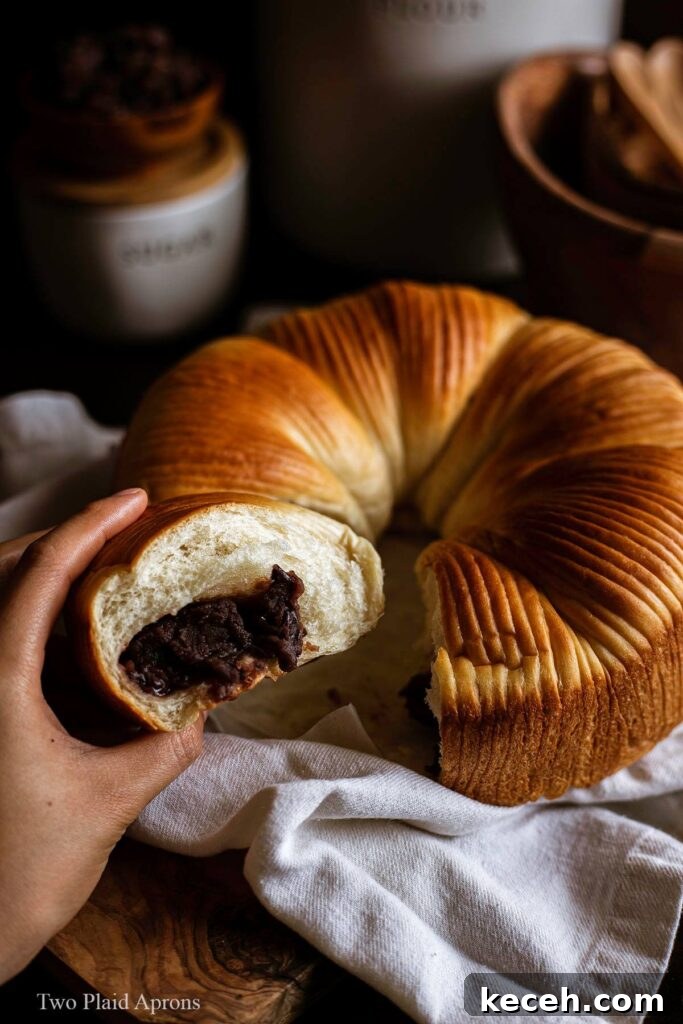
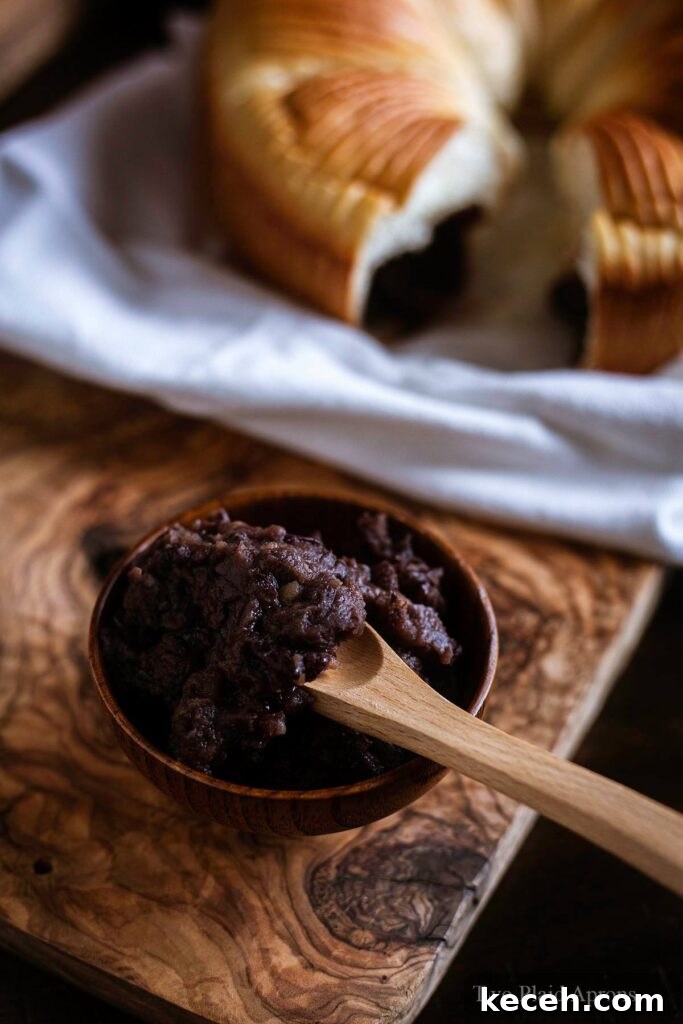
Making red bean paste at home is simple and rewarding. Homemade anko or tsubuan (chunky paste) lets you control sweetness and texture, and it tastes fresher than commercial jars. This recipe pairs especially well with tsubuan—chunky, slightly loose red bean paste that spreads easily inside the rolls.
Make it without a mixer (almost no knead)
If you don’t have a stand mixer or prefer a gentler method, this dough can be made mostly by hand with minimal kneading. The steps below outline a no-mixer approach that still develops gluten and produces an elastic, smooth dough.
- Sprinkle active dry yeast over warm milk (95–105°F) and stir. Let it sit until dissolved and bubbly.
- Combine flour, sugar, and salt in a heatproof bowl. While stirring, drizzle in boiling water to partially cook the flour (yudane). Let the mixture cool until warm, then add the milk-yeast mixture.
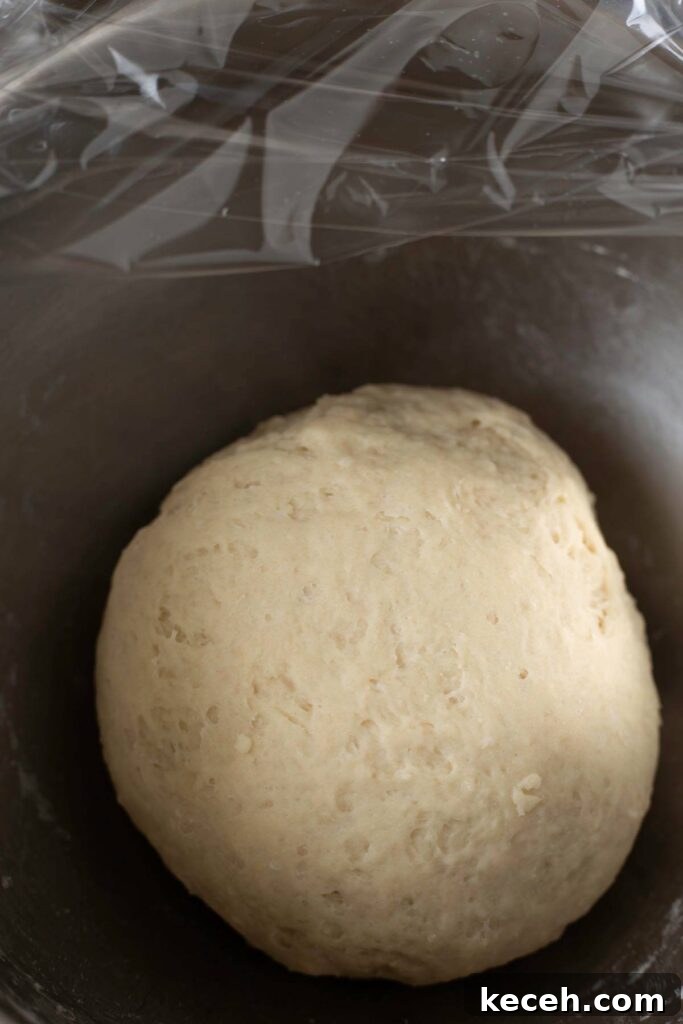
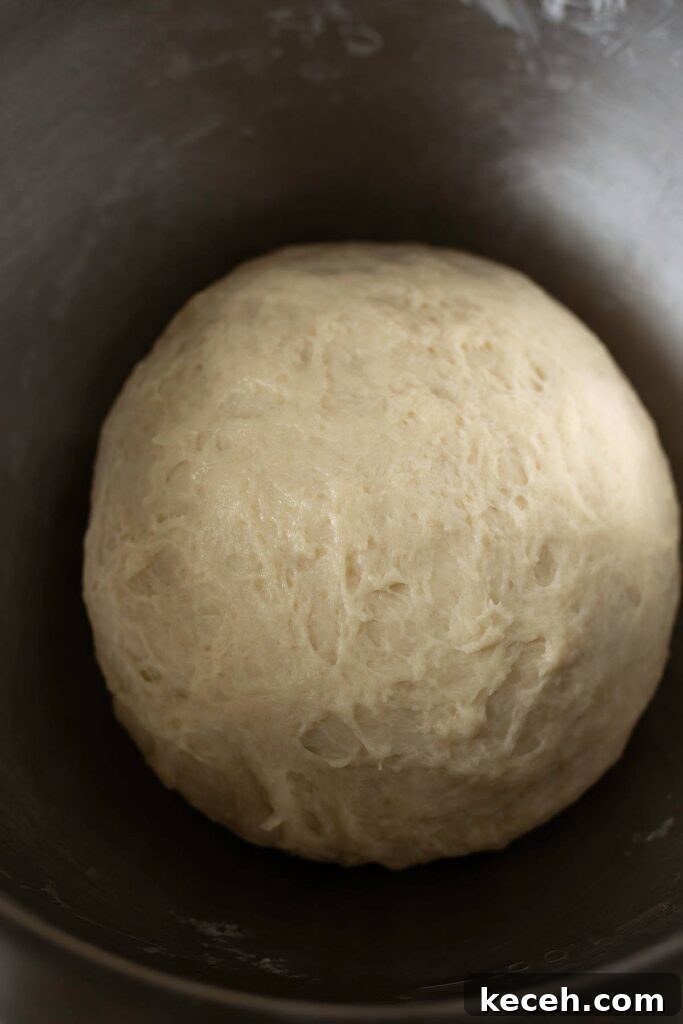
- Mix by hand until a rough dough forms and no dry flour remains. Cover and rest 30 minutes. Add softened butter and knead until incorporated and dough is elastic. Shape into a ball and proof 45 minutes to 1 hour until doubled. For improved gluten development, rest 30 minutes after adding butter, then knead briefly and proof.
-

Dough after the initial mix. -
Smoother dough after adding butter.
Window pane test
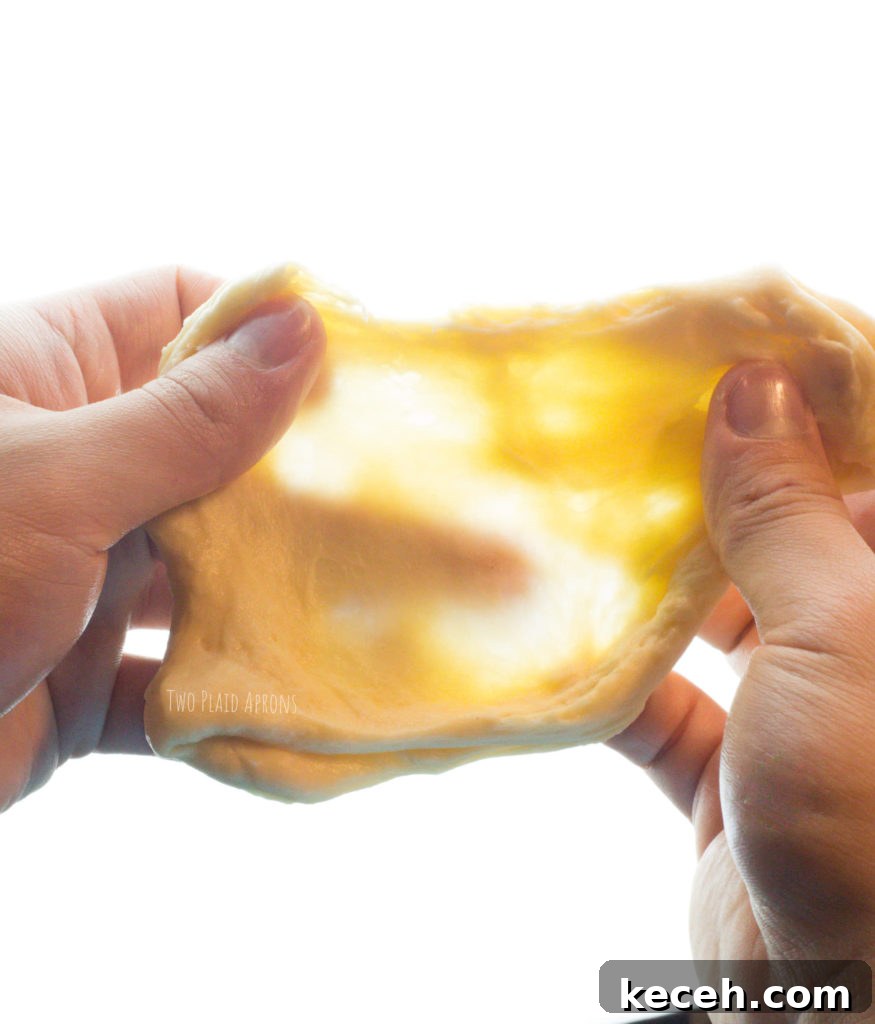
The window pane test checks gluten development: pinch off a piece of dough and gently stretch it thin. If it stretches into a translucent sheet without tearing, the gluten is well developed. If it tears quickly, continue kneading a bit longer.
How to shape wool bread
The characteristic “wool” texture comes from careful shaping. Follow these steps for consistent results:
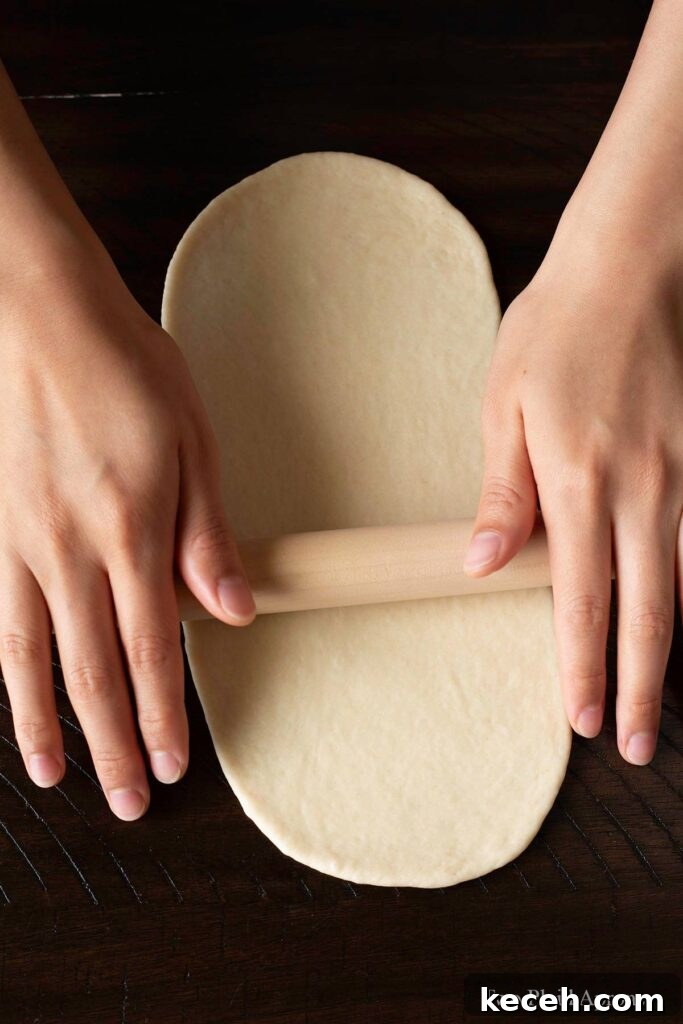
- Roll a dough ball into an oblong about 8–10 inches long and 4–5 inches wide, roughly 1/8 inch thick.
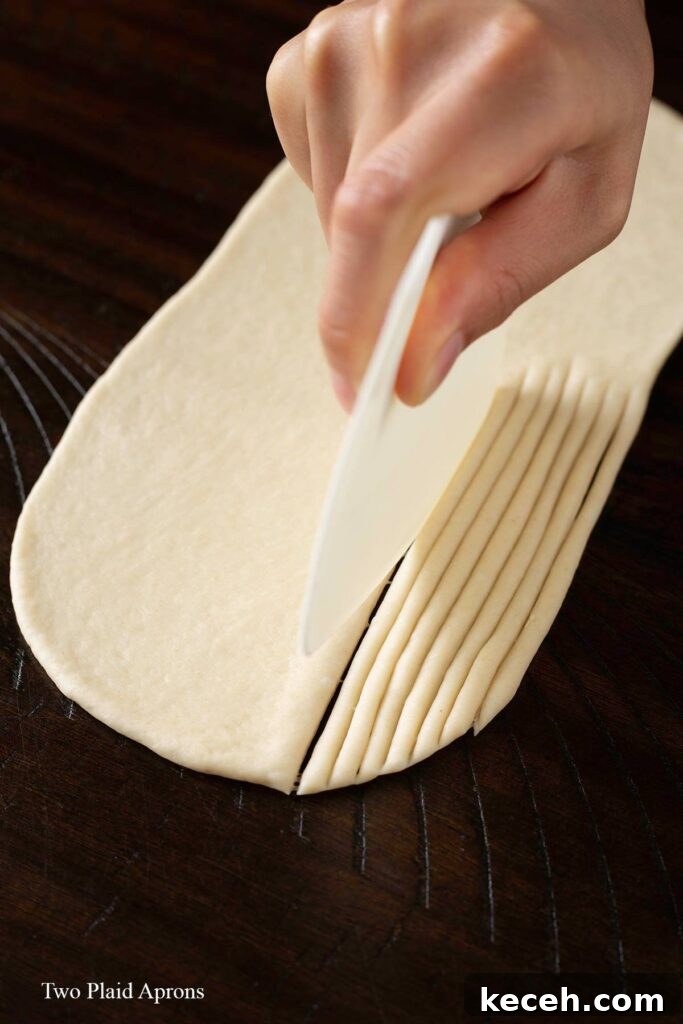
- With the dough oriented vertically, make lengthwise cuts from the center toward the top edge, leaving about 1/8 inch between cuts. Stop the cuts halfway—do not cut through the entire piece.
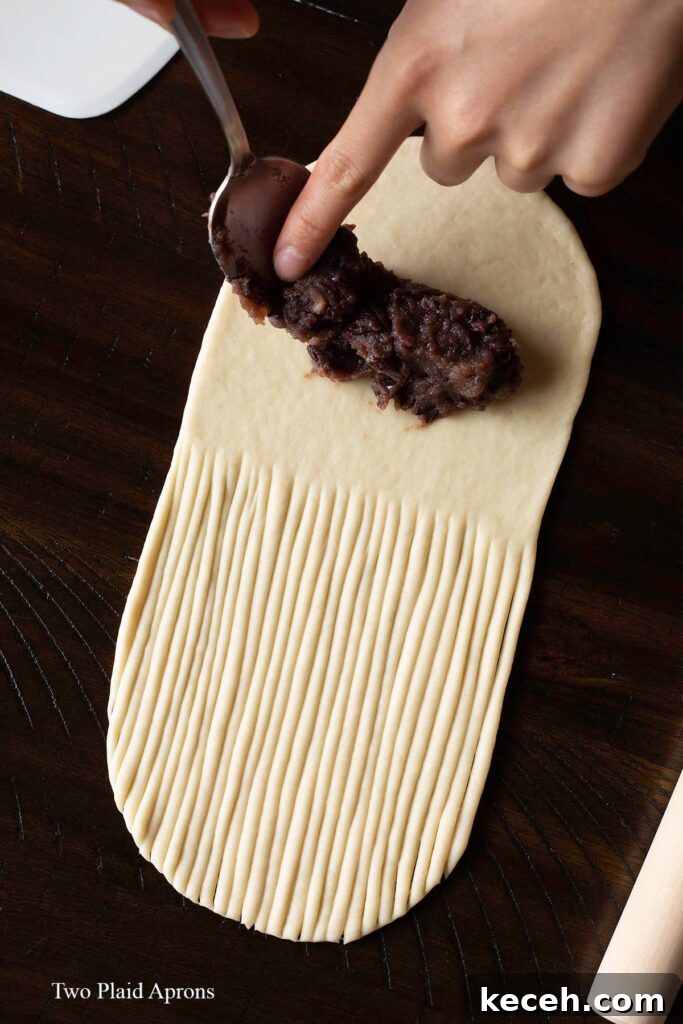
- Spread 2–3 tablespoons of red bean paste on the uncut (bottom) half of the dough.
- Fold the uncut sides over the filling, then tuck and roll like a burrito. Handle the cut section gently so the thin strips stay defined.
Baking vessel: deep cake pan recommended
A deep, round cake pan (about 8 inches wide and 3 inches tall) gives the clean, rustic shape many bakers prefer. Shallower pans work, but you may see a lip where the dough rises. Tube pans also work, but a deep straight-sided pan yields a nice round loaf with a soft mound in the center. Use any pan that fits the dough volume if you don’t have exactly the recommended size.
Other recipes you might like
- Black Sesame Mochi Muffins
- Snow Skin Mooncakes with Custard Filling
- Korean Sausage Bread
- Matcha Mochi Bread
Bake with love!
Mei ❤️
If you make this recipe or any from the blog, tag @two_plaid_aprons on Instagram—we love seeing your creations! 🥰
If you’ve made this or any recipes from the blog, please tag your photos with #twoplaidaprons on Instagram. We love seeing your baking—seriously, it makes our day! 🥰
📖 Recipe
Wool Bread with Red Bean Paste
Ingredients
- 1/2 cup warm milk (95–105°F; about 118 mL)
- 1/2 teaspoon active dry yeast
- 2 1/2 cups all-purpose flour, spooned and leveled (about 325 g)
- 3 Tablespoons granulated sugar
- 1 teaspoon kosher salt
- 6 1/2 Tablespoons boiling hot water (about 95 mL)
- 2 Tablespoons unsalted butter, softened
- 1 cup red bean paste (homemade tsubuan or store-bought, about 10–12 oz)
- 2 Tablespoons milk (or a beaten egg + splash of milk for brushing)
Instructions
- Sprinkle yeast over warm milk and stir. Set aside until dissolved and slightly bubbly.
- In a mixing bowl combine flour, sugar, and salt. While stirring, drizzle in boiling water to partially cook the flour (yudane). Let the mixture cool until warm to the touch.
- Add the milk with dissolved yeast to the flour mixture and mix until a rough dough forms. If using a mixer, knead until the dough comes together, then add softened butter and continue kneading until elastic and passing the window pane test (about 10–15 minutes by mixer). If mixing by hand, incorporate the butter after a 30-minute rest and knead until smooth and elastic.
- Shape dough into a ball, cover, and proof in a warm place 45 minutes to 1 hour, or until doubled.
- Punch the dough down, divide into five even pieces, roll into balls, and rest 3–5 minutes. Line a deep 8-inch round cake pan with parchment and grease sides.
- On a lightly floured surface, roll each ball into an oblong (8–10″ × 4–5″), about 1/8″ thick. Make lengthwise cuts from the center to the top edge about 1/8″ apart, stopping halfway.
- Place 2–3 Tablespoons red bean paste on the uncut bottom half. Fold the sides and bottom over the filling and tuck, then roll gently like a burrito, taking care not to squash the cut strips.
- Arrange the shaped rolls in the prepared pan. Cover and proof for 45 minutes to 1 hour, until nearly doubled. Preheat the oven to 350°F (175°C) toward the end of proofing.
- Brush the tops with milk or an egg wash. Bake 25–30 minutes until golden and the interior reaches about 190°F. Cool 5 minutes in the pan, then turn out and let cool until warm before serving.
Notes
- Refer to the photos above for shaping guidance—visuals help a lot for the cut-and-roll technique.
- Feel free to substitute the filling: sweet red bean paste is classic, but custard, chocolate, jam, or savory fillings also work.
- If you prefer a no-mixer method, follow the hand-mixing instructions in the post and allow extra rest time to develop gluten.
Equipment recommended
- Stand mixer (optional)
- Bowl or bench scraper
- 8×3 inch round cake pan
- Rolling pin
Nutrition (approx.)
Calories: 2215 kcal (full loaf). Break into portions to estimate per-serving values.
Keywords: anko, milk bread, tsubuan, wool roll bread