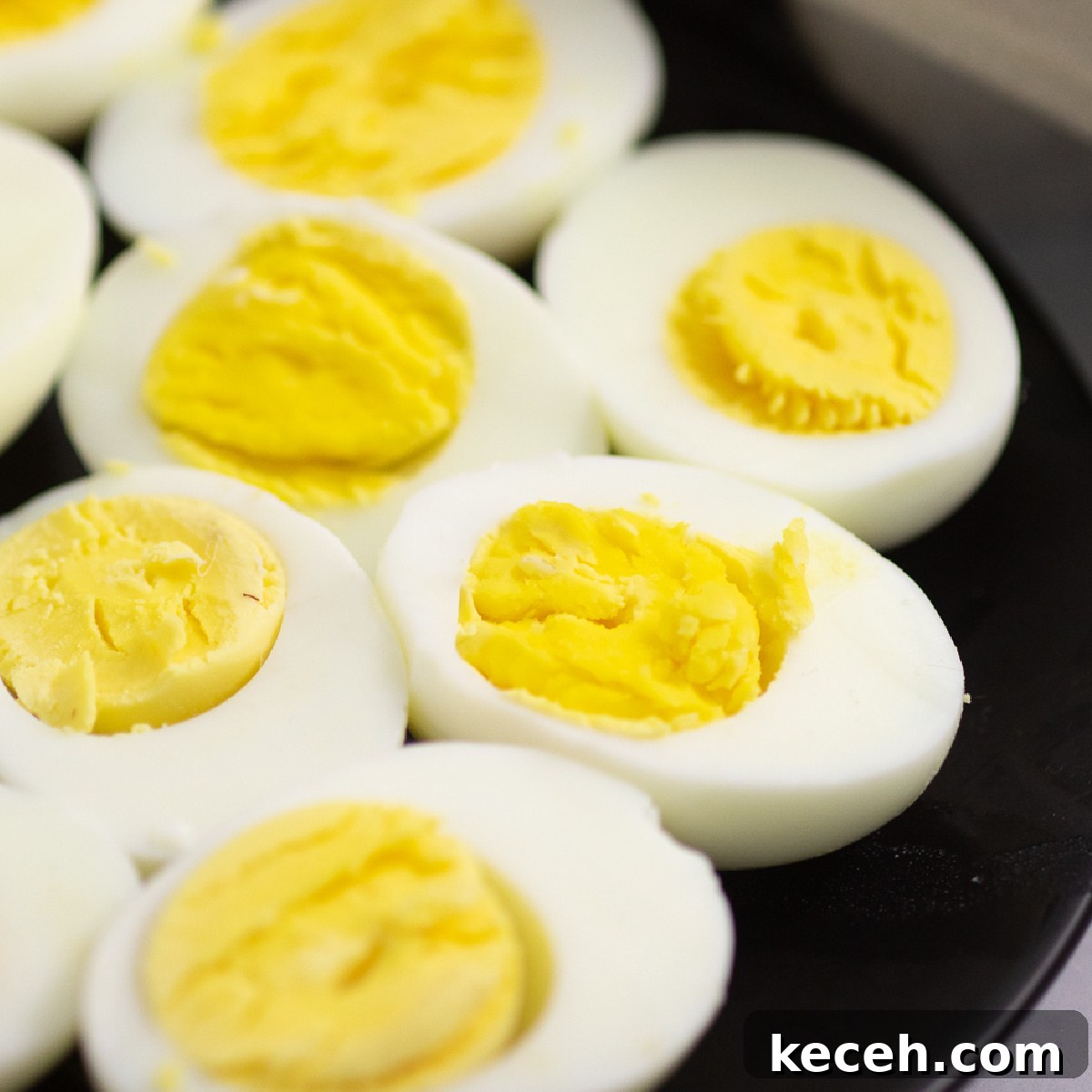
Learn how to make perfect hard boiled eggs on the stovetop that are easy to peel and ideal for eating or dying. This reliable method yields firm whites that peel easily and creamy, evenly cooked yolks.
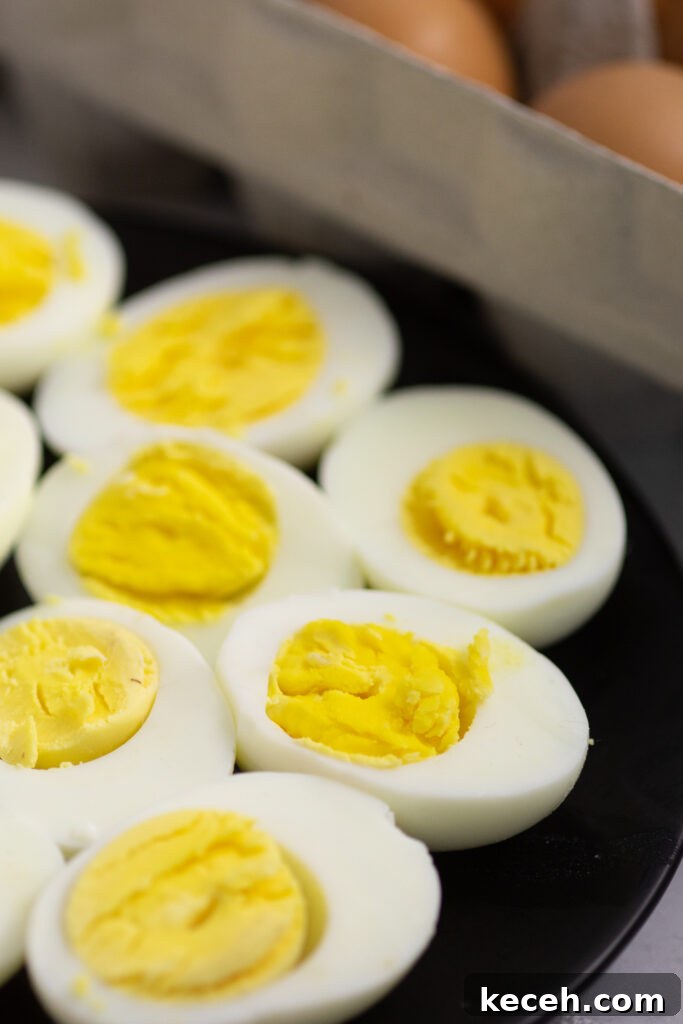
How to Make Perfect Hard Boiled Eggs
Hard boiled eggs are cooked through until both the white and yolk are firm. Unlike soft boiled eggs, which have runny yolks, hard boiled eggs have fully set yolks and are versatile for snacks, salads, and recipes.
This stovetop method is simple and dependable. Placing the eggs in cold water and bringing them to a boil slowly helps prevent cracking from sudden temperature changes. Removing the pot from the heat once it reaches a rolling boil and letting the eggs sit covered in the hot water allows gentle, even cooking and avoids overcooking. The result: consistently perfect hard boiled eggs.
How Many Minutes Should I Boil My Eggs?
You don’t need to keep the water boiling the whole time. Once the water reaches a rolling boil, cover the pot and remove it from the heat. Let the eggs sit in the hot water, covered, for about 10–12 minutes depending on how firm you like the yolks. Twelve minutes gives fully set yolks without overcooking.
Why Does My Yolk Have a Green Circle Around It?
A gray or green ring around the yolk is a sign of overcooking. The discoloration occurs when iron in the yolk reacts with sulfur in the white at high heat. The eggs are still safe to eat but look less appealing. To avoid this, transfer the eggs to an ice bath immediately after cooking to cool them quickly and stop the cooking process.
Why Doesn’t My Hard Boiled Egg Peel Smoothly?
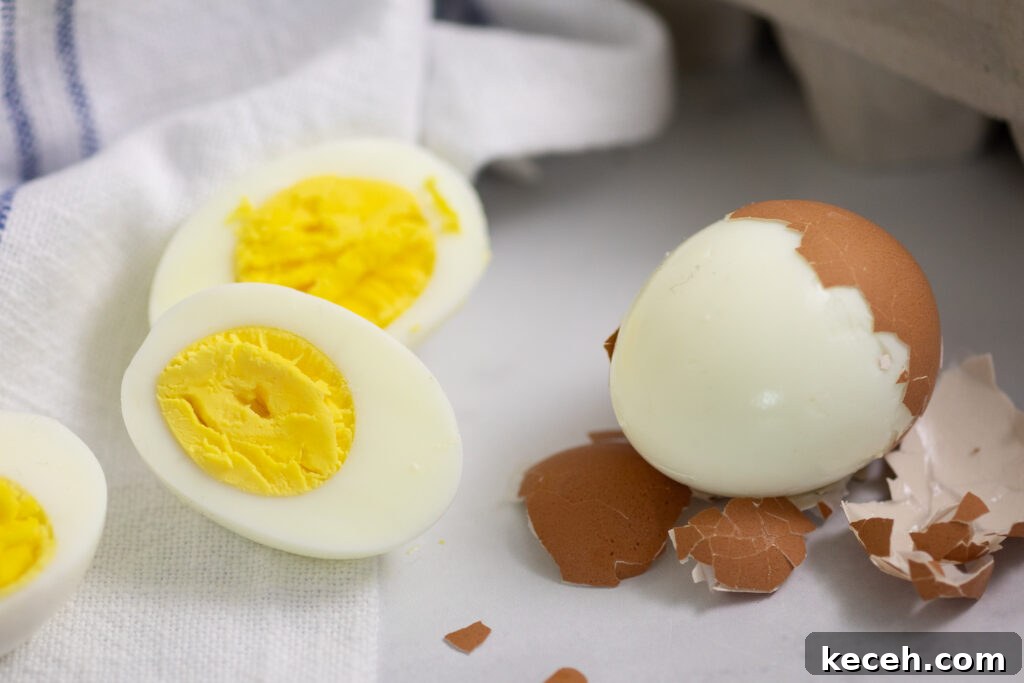
Peeling problems often stem from the age of the eggs. Very fresh eggs have lower pH levels in the whites, which causes the membrane to cling tightly to the shell and makes peeling difficult. Slightly older eggs peel more cleanly. Other factors include how the eggs are cooled and whether the shell is cracked before peeling.
Try These Tricks for Easy Egg Peeling
After cooking, place the eggs in an ice bath until cool. Gently tap and roll each egg to crack the shell, then peel under running cold water to help separate the shell from the membrane. For even easier peeling, add 1 teaspoon of baking soda to the cooking water; the higher pH helps the shell separate from the white.
How Can I Use Hard Boiled Eggs?
Hard boiled eggs are a nutritious, protein-rich option on their own or incorporated into many dishes. They’re great as a quick snack, sliced on salads, or used in classic preparations and variations such as deviled eggs and egg salad.
Popular ways to enjoy or use hard boiled eggs include:
- Deviled eggs — a classic appetizer with a creamy, seasoned filling spooned into halved egg whites.
- Egg salad — chopped hard boiled eggs mixed with mayonnaise or a lighter dressing, great on sandwiches or crackers.
- Potato salad with deviled egg elements — a creamy picnic favorite that combines potato salad and deviled egg flavors.
- Avocado deviled eggs — a healthier twist using avocado for creaminess and added nutrients.
- Pimento cheese deviled eggs — deviled eggs filled with pimento cheese for a savory, comforting bite.
Perfect Hard Boiled Eggs Video
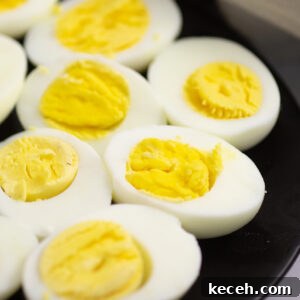
Perfect Hard Boiled Eggs
Ingredients
- 12 large eggs
- Water (enough to cover the eggs by about an inch)
- 1 teaspoon baking soda (optional — helps eggs peel easier)
Instructions
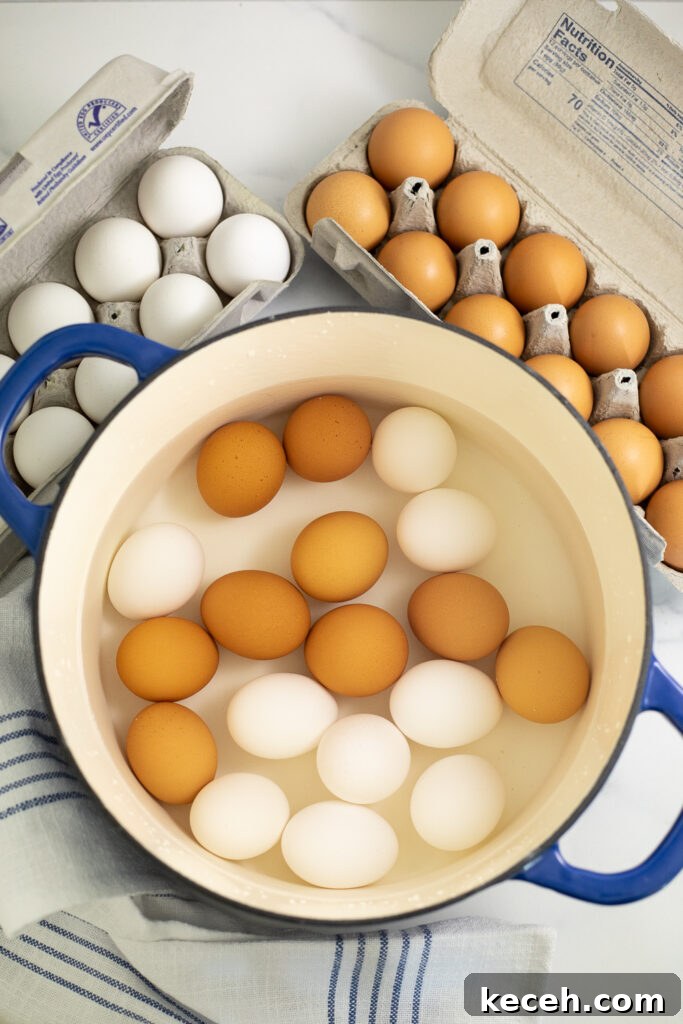
- Place the eggs in a single layer in the bottom of a large pot.
- Cover the eggs with cold water so there is about 1 inch of water above the eggs (roughly 3 inches total depth).
- Bring the water to a rolling boil over high heat.
- When the water reaches a rolling boil, cover the pot and remove it from the heat immediately.
- Let the eggs sit, covered, in the hot water for 10–12 minutes.
- Drain the pot and transfer the eggs to an ice water bath until cool enough to handle. Peel or store as desired.
Notes
- Storage: Store hard boiled eggs, peeled or unpeeled, in the refrigerator for up to 5 days.