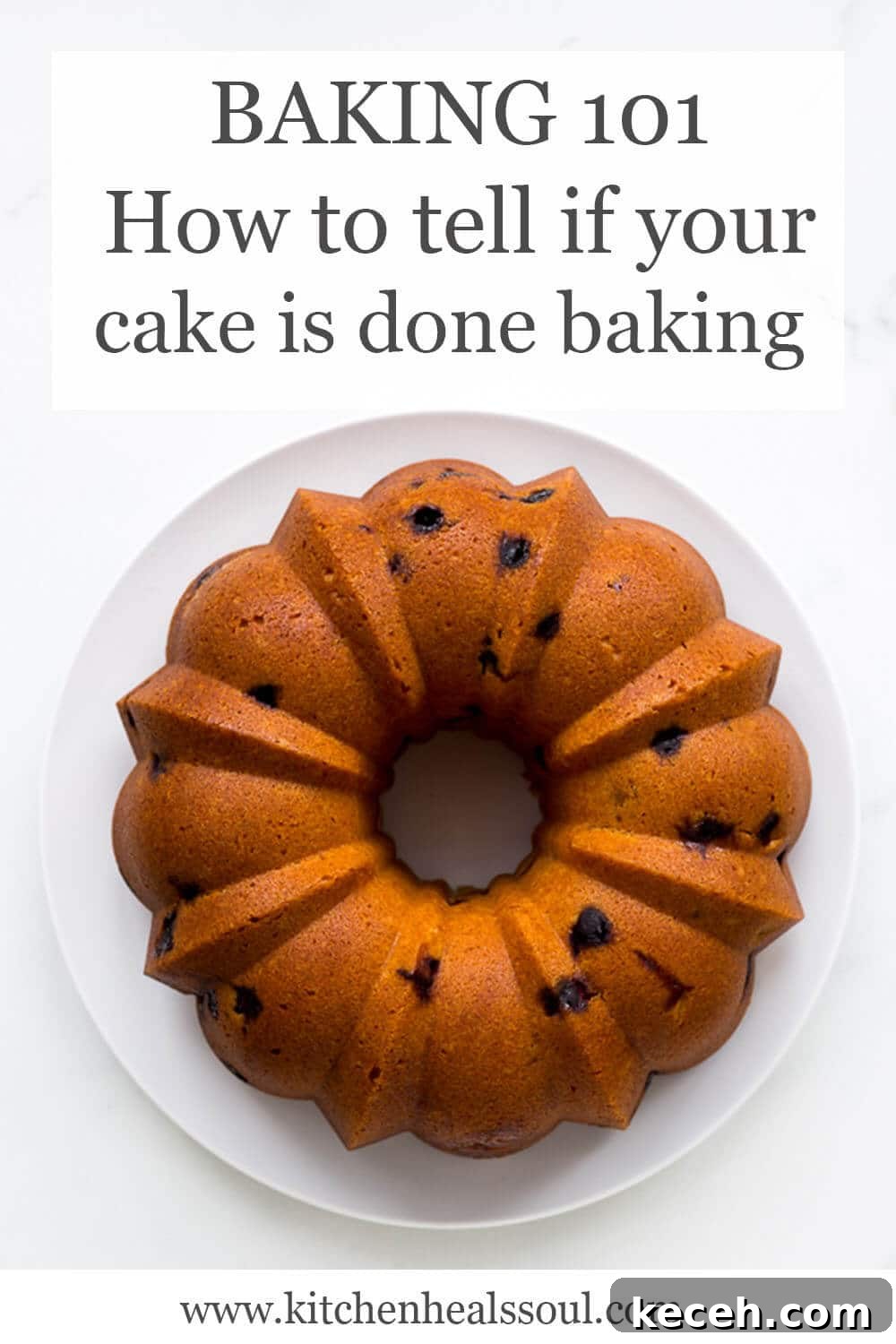
One of the trickiest parts of baking—whether you’re making a simple loaf or an elaborate layer cake—is knowing when it’s perfectly done. Under-baked desserts can be gummy and unsafe, while over-baked ones become dry and flavorless. Below are reliable, practical ways to assess cake doneness so you get consistent results every time.
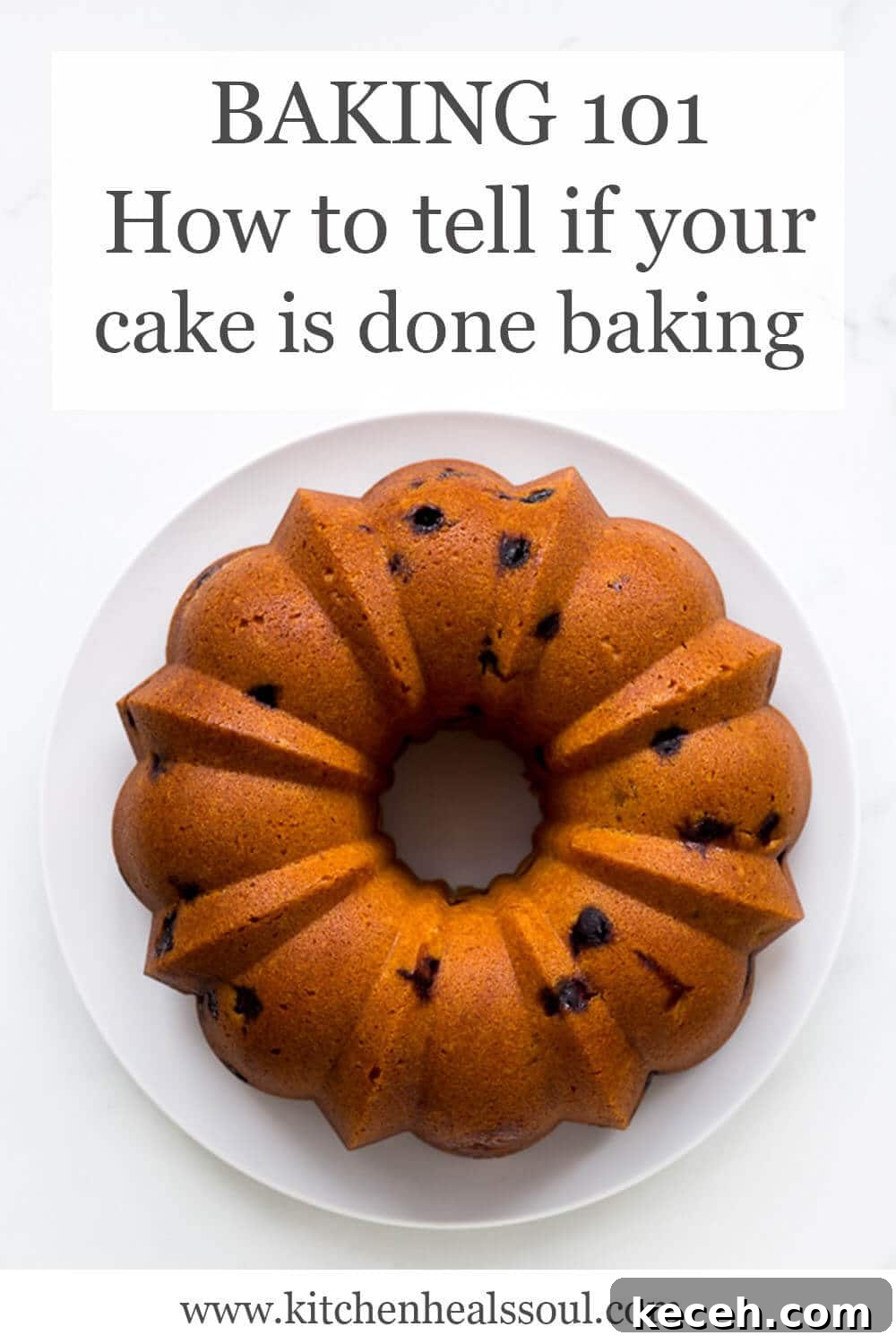
Ways to check if your cake is done
Use the recipe time as a guide, not a rule
Recipes usually include a suggested baking time, but you should treat that as a guideline. Ovens vary in actual temperature versus the dial setting. The same 350 ºF setting can run hot or cool between different ovens. Pan type also matters: darker pans absorb more heat and glass pans conduct differently than aluminum. For these reasons, start checking your cake a few minutes before the recipe’s minimum time—cookies a few minutes earlier, loaf cakes and larger bakes 10–15 minutes early—so you can avoid over- or under-baking.
Look for visual cues
Before opening the oven or removing the cake, take a close look at the surface and edges:
- Is the cake pulling away from the sides of the pan and creating a small gap? That often indicates the cake has set, though you should confirm with another test (skewer or thermometer).
- Are the edges golden and the surface no longer glossy? For typical layer cakes, the edges will brown after about 25–35 minutes, depending on pan size. Loaf cakes can take longer—often around an hour—and their edges tend to brown more, which can be misleading. Chocolate cakes won’t show color changes as clearly, but you can look for a matte, set edge rather than a shiny one.
Feel the cake gently with your fingertips
The cake’s texture changes as it bakes. Batter first loosens, then firms as structure forms and moisture evaporates. A gentle fingertip test tells you a lot:
- Press lightly in the center. A properly baked cake will feel springy and bounce back. If the indentation remains, the interior hasn’t set and the cake needs more time. If it springs back, use a skewer or thermometer to confirm.
Use a cake tester or skewer
A thin metal skewer or cake tester is a classic, low-tech way to check doneness. Insert it into the center and inspect the result when you pull it out:
- If wet batter clings to the skewer, the cake is under-baked and needs more time.
- If a few crumbs cling, the cake is nearly done and can usually come out to finish with residual heat.
- If the skewer comes out clean, the cake is likely baked through.
- Be cautious when your cake contains add-ins—dried fruit, chocolate chips, or berries can stick to the skewer and give a false clean result, so combine this method with others.
Check internal temperature with a thermometer
An instant-read thermometer gives a precise measurement of doneness. For many butter-based cakes and quick breads, the internal temperature when done is generally around 100 ºC (212 ºF), though some recipes target slightly lower temperatures—roughly 98 ºC (200 ºF)—for a tender crumb. Insert the probe into the thickest part of the cake without touching the pan to get an accurate reading.
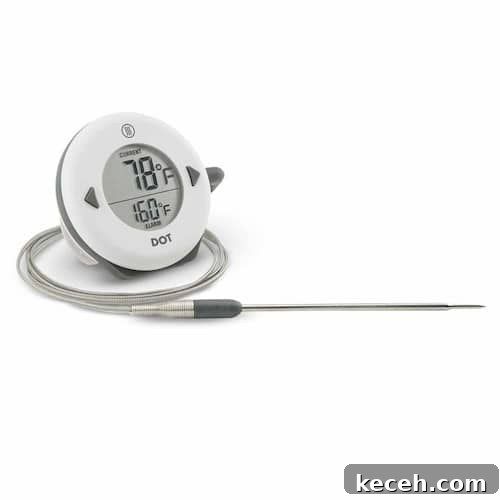
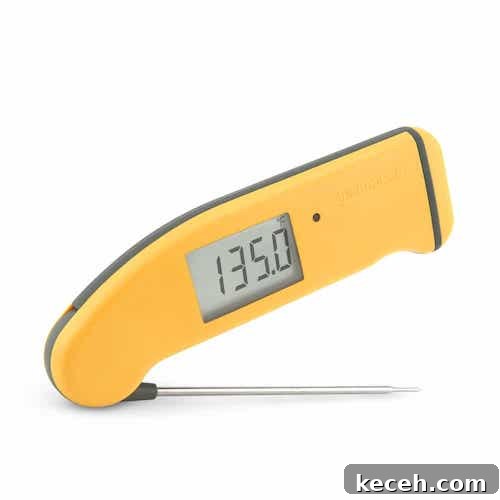
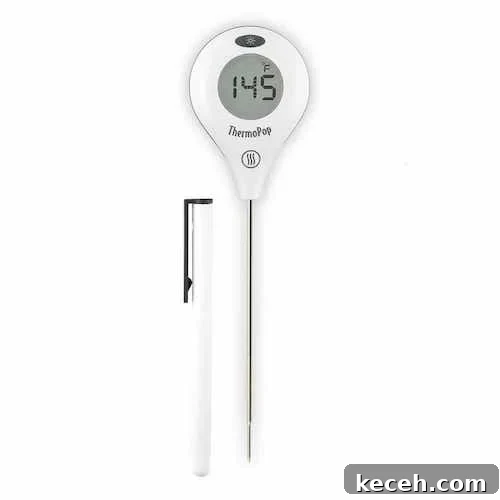
Instant-read thermometers are fast and useful for consistent results. If you bake often, a reliable thermometer helps you avoid guesswork and achieve the texture the recipe intends.
Special considerations for cakes with add-ins
Cakes that include dried fruit, candied pieces, whole berries, or chocolate chunks can make skewer tests unreliable because the skewer may hit an add-in and appear clean even if the cake’s interior is still under-baked. For these recipes, combine visual checks, the fingertip test, and a thermometer reading to confirm doneness.
Signs your cake is underbaked
Cutting into a cake that’s raw in the middle is disappointing, but there are clear signs that it needs more time:
- If a fingertip indentation remains without springing back, the interior structure hasn’t set.
- If a skewer or tester comes out coated in wet batter rather than crumbs, the cake is under-baked.
- If an internal temperature check shows the center under about 98 ºC (200 ºF), the cake usually needs more time.
- If the cake collapses or sinks as it cools, the crumb likely didn’t set fully and the cake was removed too soon.
Unfortunately, you can’t always fix an under-baked cake simply by returning it to the oven—doing so risks overcooking and drying the exterior before the center sets. In many cases, the best salvage is to cut away raw sections and repurpose firm scraps into trifle, cake truffles, or layered desserts where syrup and fillings restore moisture and flavor.
How to tell if your cake is overbaked
Over-baked cakes are easier to identify. Common signs include:
- A dry, crumbly texture when sliced.
- An overly browned or slightly burnt edge and crust, and browning inside the crumb if severely overbaked.
- A larger than normal gap between the cake and the pan, indicating excess moisture loss.
Even if a cake is a bit overdone, you can still make good use of it. Chop it and serve over yogurt with fruit, layer it into a trifle with syrup to reintroduce moisture, or transform the pieces into cake balls or other desserts where added sauces and fillings revive texture and taste.