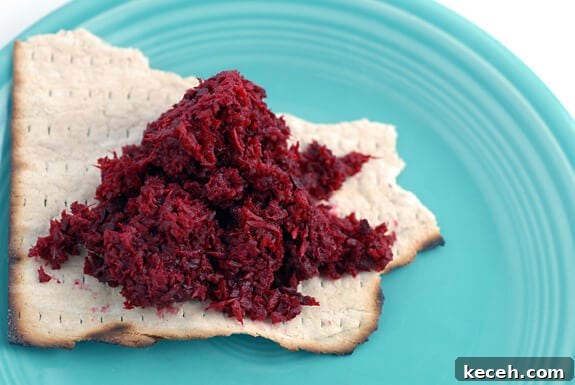
With the release of my new book Gluten-Free Cupcakes just days away, Passover arrived more quickly than I expected this year. I didn’t publish a fresh Passover menu, but you can find menus and recipes from previous years on my site if you need ideas—everything from kugel to gluten-free gefilte fish for those planning their holiday meals.
Our Seder was small and intimate—just the four of us: my husband, the two boys and me. They are now 11 and 12, and it was a joy to watch them take part so enthusiastically. For me the most meaningful moments centered on gratitude for the liberation of the Jewish people from Pharaoh and on bringing that story into the present by discussing modern forms of slavery and our hopes for freedom for others.
My husband went first. He expressed a wish for freedom of speech for the people of China. He travels there frequently and has come to appreciate the country, even if not all aspects of it. The boys didn’t have many questions about China, but a few thoughtful prompts led to a brief, lively discussion about repression and the value of free expression.
When it was my turn, I spoke about issues that have affected me deeply since reading Nicholas Kristof’s moving book Half the Sky. His account of the global subjugation of women and the horrific reality of sexual slavery stayed with me. We discussed what these abuses mean for women and their families. After our conversation I decided to donate to an organization that works to help free women from the sex trade.
My older son raised concerns about the people who work in our agricultural system—those who pick and harvest our food, often underpaid and exposed to harmful pesticides. His wish for their health and freedom was heartfelt and moved all of us.
My younger son focused on the plight of workers in the Ivory Coast who grow cacao for chocolate. He was especially troubled by the exploitation of children in parts of the chocolate industry. As a fan of milk chocolate, he declared his continued commitment to choosing fair trade chocolate whenever possible, and we all appreciated his thoughtful stance.
This practice of reflecting on the enslavement and liberation of peoples beyond the Jewish community is an old family tradition I deeply value. For us, Passover has always been a political and moral holiday, a time to recognize injustice in the world and to imagine better futures for others.
We have so much to be thankful for here in the United States, in Colorado and especially in Boulder. Spring and Passover are natural moments for counting blessings, acknowledging the freedoms I enjoy, and honoring the courage of parents and ancestors whose sacrifices have shaped my life.
I hope you had a meaningful Seder. What freedoms are you grateful for? What freedoms do you hope others will gain in the coming years? Leave a comment and share your thoughts—we’d love to hear them.