Tips:
Use a steel plate. Instead of buying an expensive commercial pizza steel, I purchased two flat rectangular steel plates from a metal shop and seasoned them with oil. A steel plate transfers heat quickly and evenly, helping the dough rise and creating a crisp, blistered crust similar to what you get in high-temperature pizza ovens. If you’d like instructions on making one yourself, leave a comment and I’ll share the steps.
I learned about using a pizza steel from the Pizza School and ran a side-by-side comparison of steel versus stone. The steel performed better and didn’t crack. Most artisan pizzerias bake at temperatures around 800°F; home ovens typically reach about 500–550°F. A steel helps emulate that intense bottom heat, producing the air pockets and crisp bottoms you want. Steel is also versatile: you can use it on the stovetop as a griddle for pancakes, naan, chapati, tortillas, and more. Either make your own steel plate or buy a ready-made one—both work well.
Pizza peel: A pizza peel is essentially a large spatula designed for sliding pizzas in and out of a hot oven. I own two types: a solid wooden peel and a thinner, smoother composite peel. I prefer the thinner, beveled-edge peels because they’re easier to slide under the pizza and simpler to clean. Wooden peels can stain from tomato sauce and aren’t ideal for slicing directly on them.
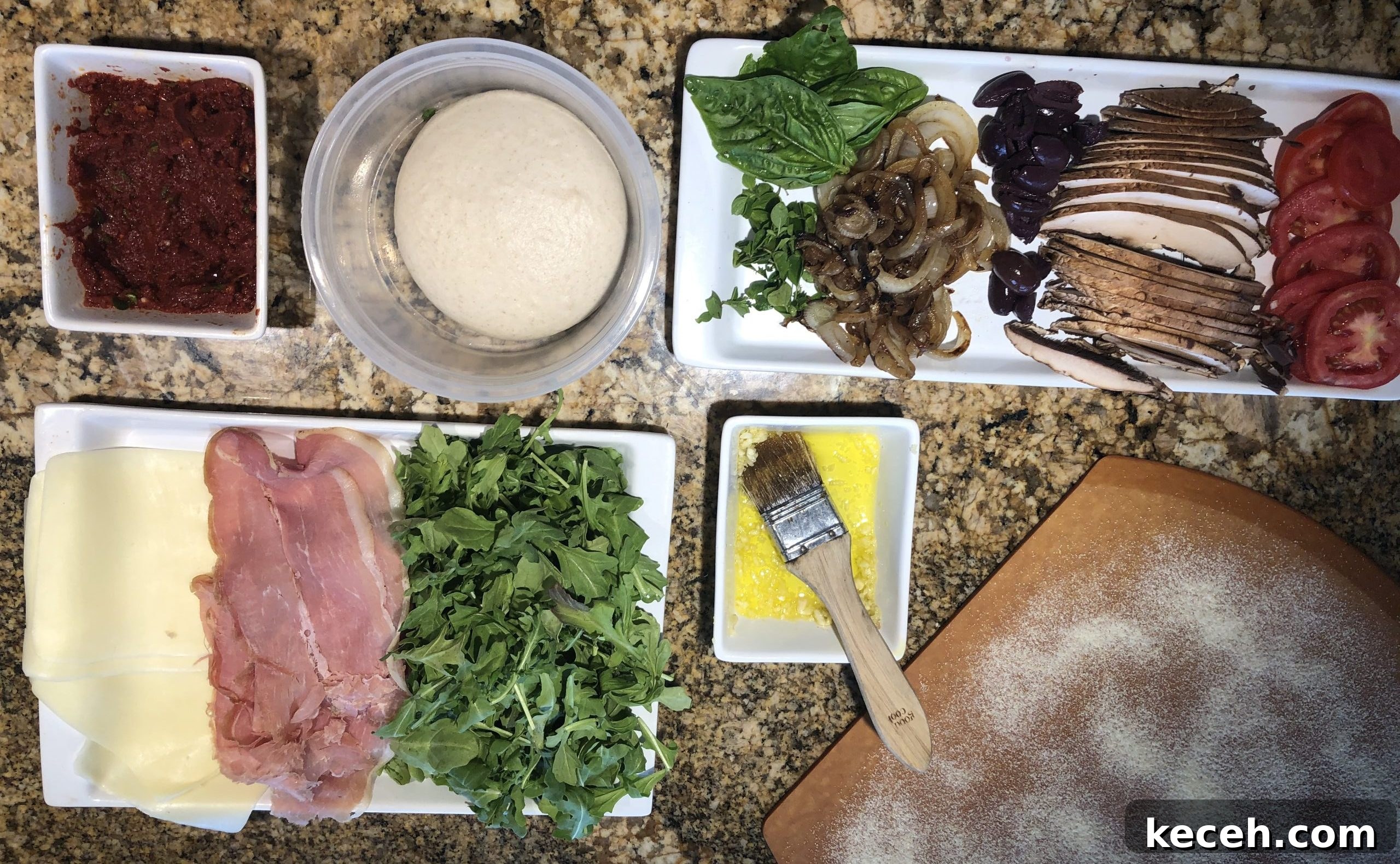
Cornmeal: Generously dust your peel with cornmeal—not cornstarch—to create tiny rollers. The cornmeal helps the pizza slide off the peel quickly onto the hot steel and prevents sticking.
Don’t saturate: Avoid overloading the dough with sauce or toppings. Too much moisture makes the crust soggy. Remember: less is more.
Cheese: Use high-quality cheese. Mozzarella gives that classic gooey, stretchy texture; low-moisture, full-fat mozzarella is a reliable choice. There’s a noticeable difference between full-fat and reduced-fat cheeses—full-fat will deliver better flavor and texture. You can mix in other flavorful cheeses such as fontina, gouda, or cheddar for complexity. Avoid processed individually wrapped “American” cheese. After baking, finish with a light shaving of pecorino, parmesan, or romano for extra flavor.
Tomato sauce: Your sauce should be thick enough not to make the dough soggy. Too-wet sauce will weigh down the crust during baking. Keep the sauce concentrated and spread lightly.
Fresh oregano: Using fresh oregano elevates the flavor—add it for bright, herbal notes that complement tomato and cheese.
Toppings: Some toppings are best added after baking. Delicate greens like arugula and cured meats such as prosciutto should be placed on the pizza after it comes out of the oven. Vegetables should be sliced thinly—especially mushrooms—to avoid releasing excess moisture that can make the crust soggy. Fresh basil is best added once the pizza is out of the oven. I also recommend a multi-blade herb cutter for uniformly chopping herbs; it saves time and makes a tidy topping. A small herb tool with a cleaner and a leaf stripper is handy and reasonably priced.
Cooling the pizza: When the pizza comes out of the oven, briefly rest it on a wire rack before serving. Placing a hot pizza directly on a plate traps steam and can soften the bottom crust.
Reheating leftover pizza: Instead of using a toaster oven, try reheating pizza on the stovetop. Place the slice in a skillet over medium-low heat and cover with a lid for a few minutes. This crisps the bottom while the trapped heat warms the top, preserving texture much better than a microwave or toaster oven.