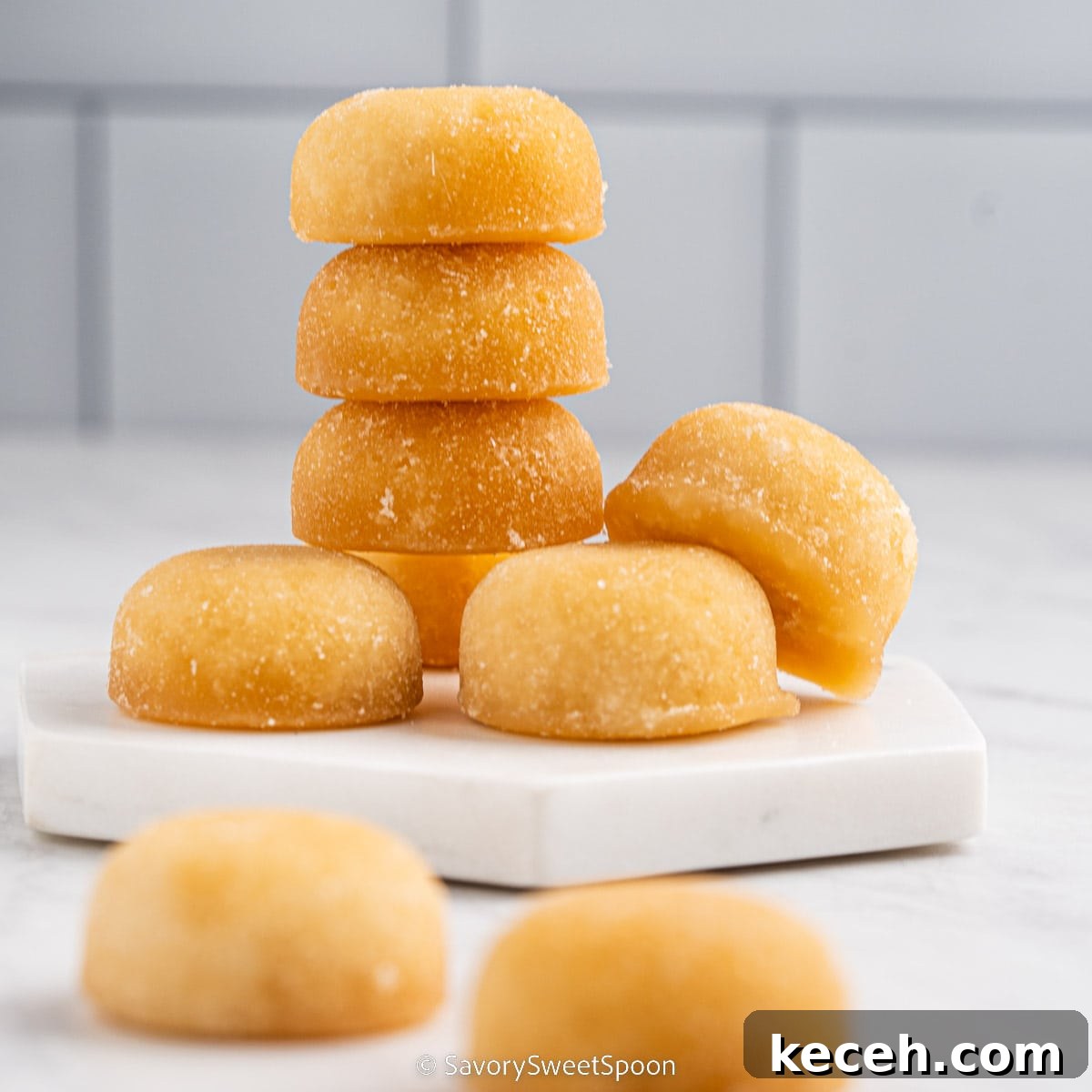
Ever been halfway through a recipe only to discover you’re out of palm sugar? It happens. Palm sugar is a distinct, unrefined sweetener with a caramel-like depth, and while it can be hard to find in some places, there are several reliable swaps that preserve flavor and texture in your dishes. Below you’ll find a clear description of palm sugar, where to buy it, and six practical substitutes to use depending on the recipe.
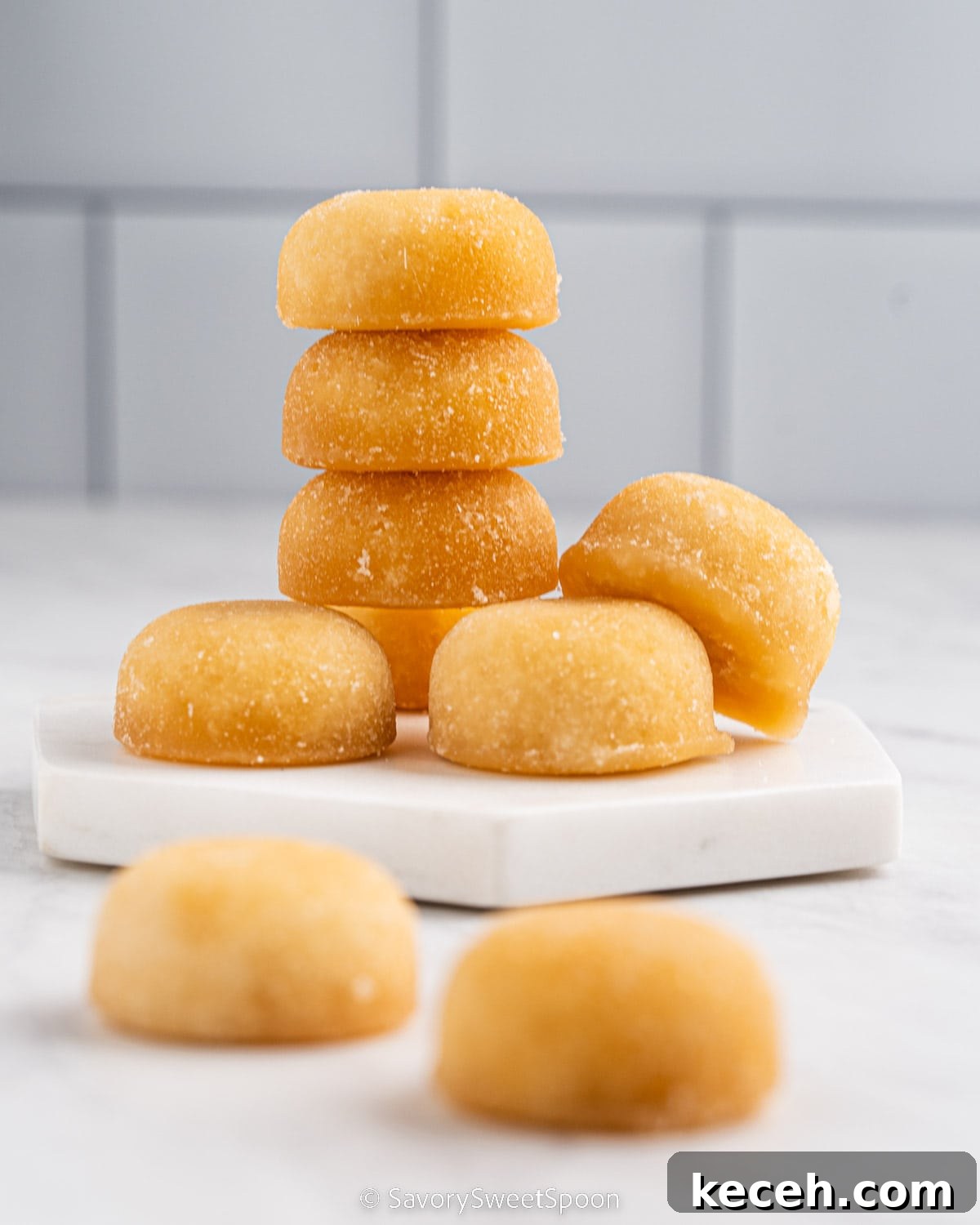
What is Palm Sugar?
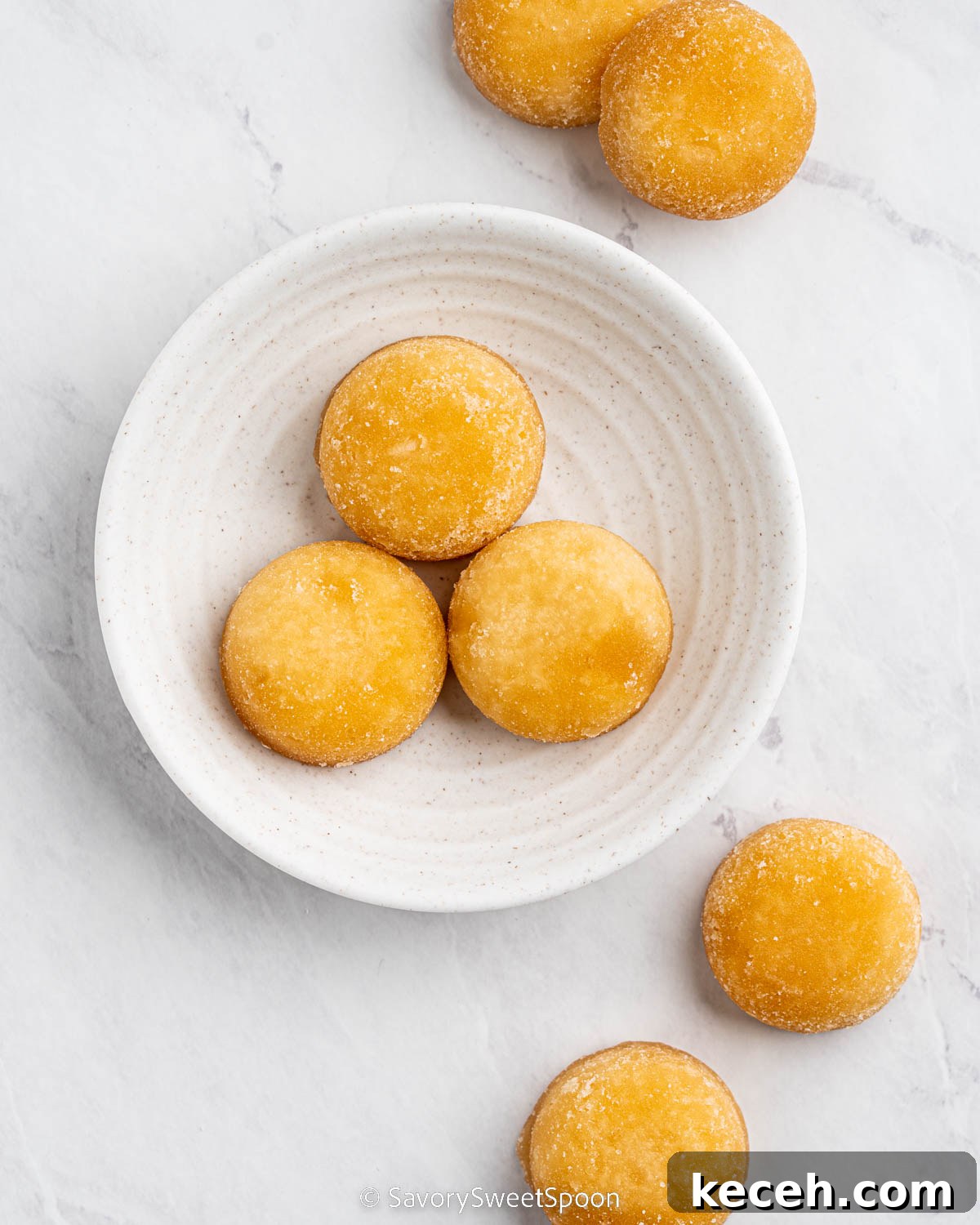
Palm sugar is a natural sweetener made from the sap of palm trees. The sap is collected, simmered to reduce moisture, then cooled into solids or syrups. It appears as solid blocks, granulated crystals, or liquid, and its color ranges from light to deep brown. The flavor is often described as rich and caramel-like, sometimes with butterscotch or toffee notes.
Used widely across Southeast and South Asian cuisines, palm sugar enhances both sweet and savory dishes—think sauces, curries, marinades, and traditional desserts. Compared with refined white sugar, palm sugar is less processed and contributes a more complex flavor profile that many cooks value.
Where can I find it?
- Asian grocery stores: These shops commonly stock palm sugar—look in the baking, spice, or sweetener aisle.
- International or ethnic food sections: Larger supermarkets that carry global ingredients often include palm sugar in their international foods area.
- Specialty and health-food stores: Retailers focused on organic or artisanal ingredients may carry palm sugar as a natural sweetener option.
- Online retailers: If local options are limited, many online marketplaces and specialty food sites list palm sugar in various forms and sizes.
6 Best Substitutes for Palm Sugar
When palm sugar isn’t available, choose a substitute based on whether your recipe needs a dry or liquid sweetener and whether you want to preserve the caramel-like flavor. Below are six reliable alternatives and how to use them.
1. Coconut Sugar
Coconut sugar is one of the closest matches in flavor and texture. Made from the sap of coconut palms, it offers similar caramel and butterscotch notes. Use coconut sugar as a 1:1 replacement in most recipes—baked goods, sauces, and dressings all respond well.
2. Maple Syrup
Maple syrup brings a complex, slightly woody sweetness that can complement many dishes. Because it’s liquid, reduce other liquids in the recipe slightly when substituting, and start by using about three-quarters of the amount, then adjust to taste.
3. Brown Sugar
Dark brown sugar contains molasses, which gives it depth similar to palm sugar’s caramel notes. Swap in brown sugar at a 1:1 ratio for most cooking and baking uses. If a recipe calls for a very dark, rich flavor, prefer dark brown over light brown.
4. Honey
Honey is a convenient liquid alternative with floral or fruity undertones depending on variety. Use slightly less honey than palm sugar (roughly 3/4 the amount) and reduce nearby liquids to maintain texture. Honey will contribute its own flavor, so choose a mild variety if you want a subtler change.
5. Date Sugar
Date sugar is made from dried, ground dates and keeps natural fruit flavors and fiber. It’s a good dry substitute for recipes where a granular sweetener works—use it 1:1. Note that date sugar doesn’t dissolve as readily as refined sugars, so it’s best for baking or dishes where texture is acceptable.
6. Agave Nectar
Agave nectar is a mild, light-bodied liquid sweetener with a gentle caramel note. It works well in beverages, dressings, and liquid-based recipes. Because it’s liquid, reduce other liquids slightly and use about three-quarters of the amount called for if replacing dry palm sugar.
Choosing the right substitute depends on the recipe and desired flavor. For the closest match in taste and texture, coconut sugar or dark brown sugar are often the best choices. For liquid recipes or when a syrup is preferred, maple syrup, honey, or agave can work well with minor adjustments. Date sugar is a good option when you want a less-processed, fruit-based sweetener. With these alternatives, you can preserve your dish’s balance and character even when palm sugar isn’t available.