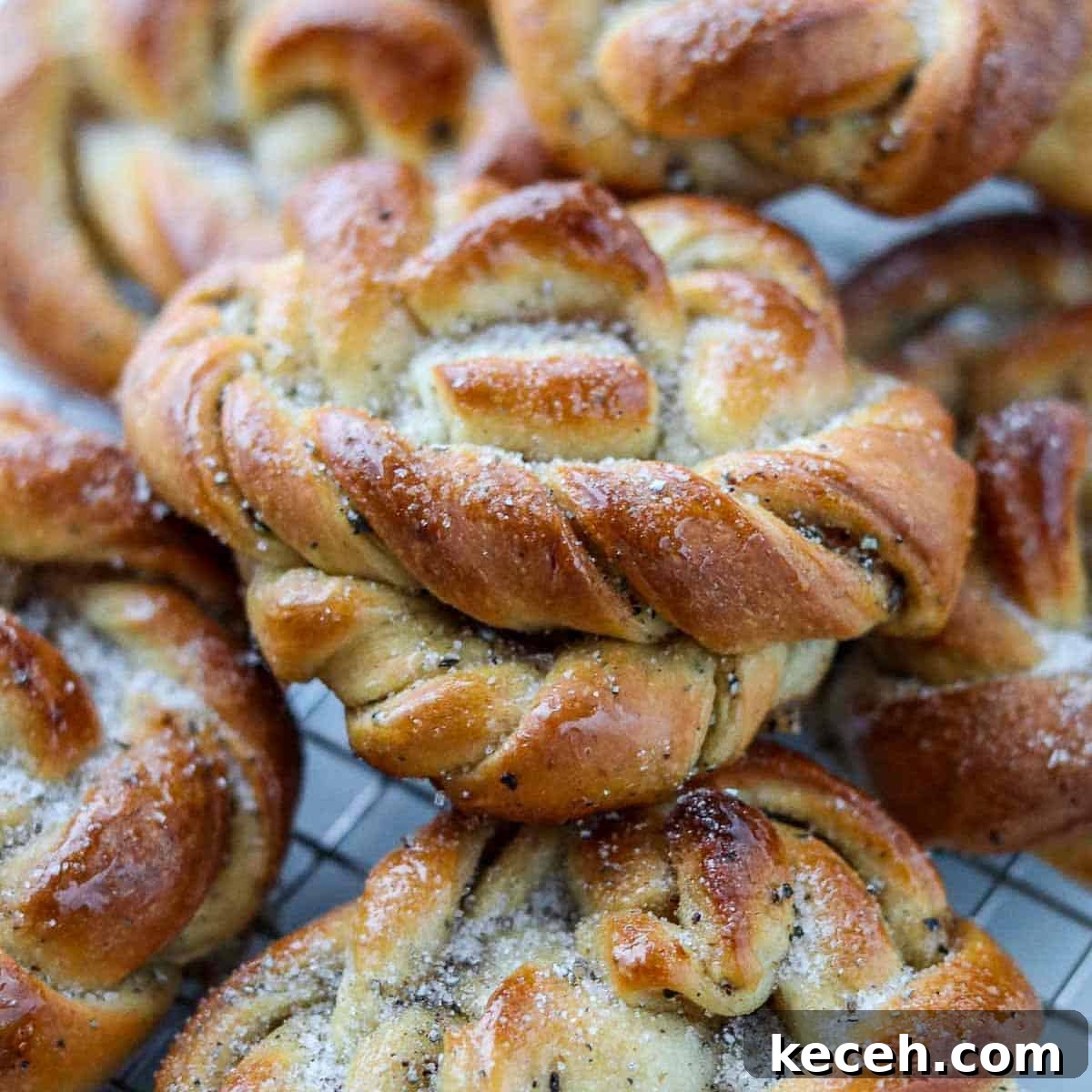
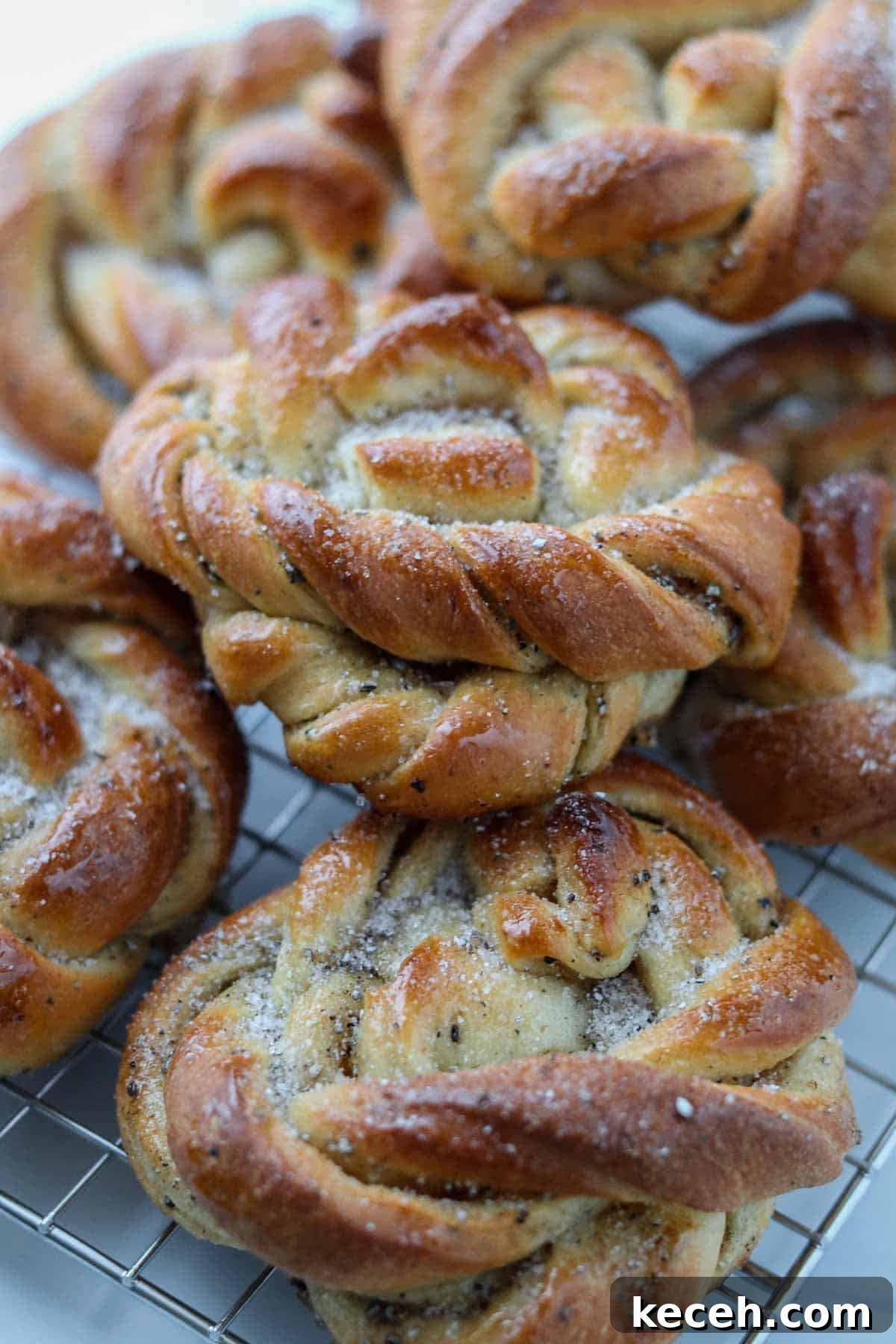
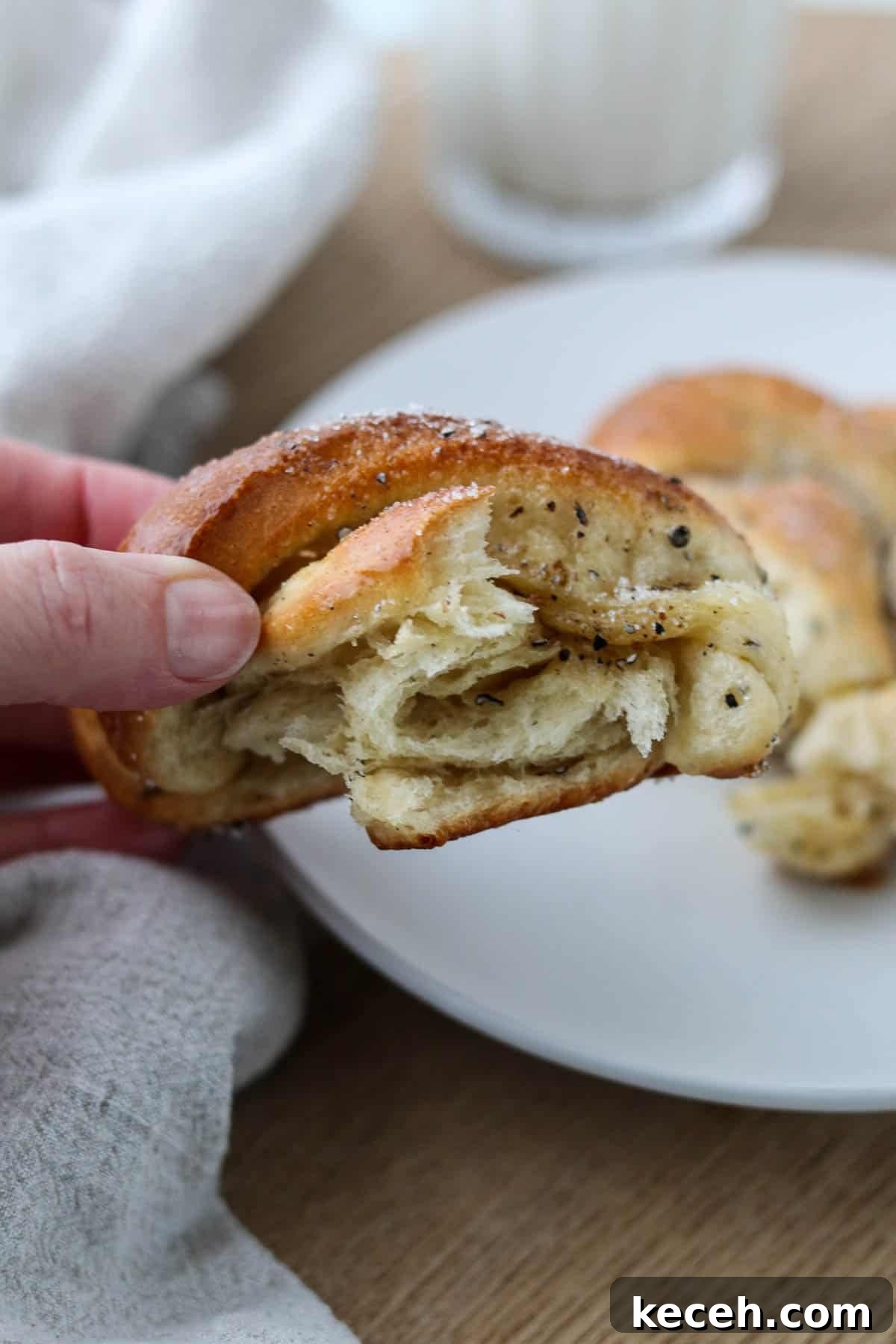
Soft, fluffy sweet buns and breads with a tender crumb and a light, bakery-style texture aren’t just luck — they’re often the result of a simple technique called the tangzhong method. Originating in Asian milk breads, tangzhong means pre-cooking a small portion of the flour with liquid before adding it to the dough. The cooked paste helps the dough retain extra moisture, producing loaves and buns that bake up airy, elastic, and stay soft longer. This guide explains what tangzhong is, why it works, and how to apply it to your own enriched doughs.
What Is Tangzhong?
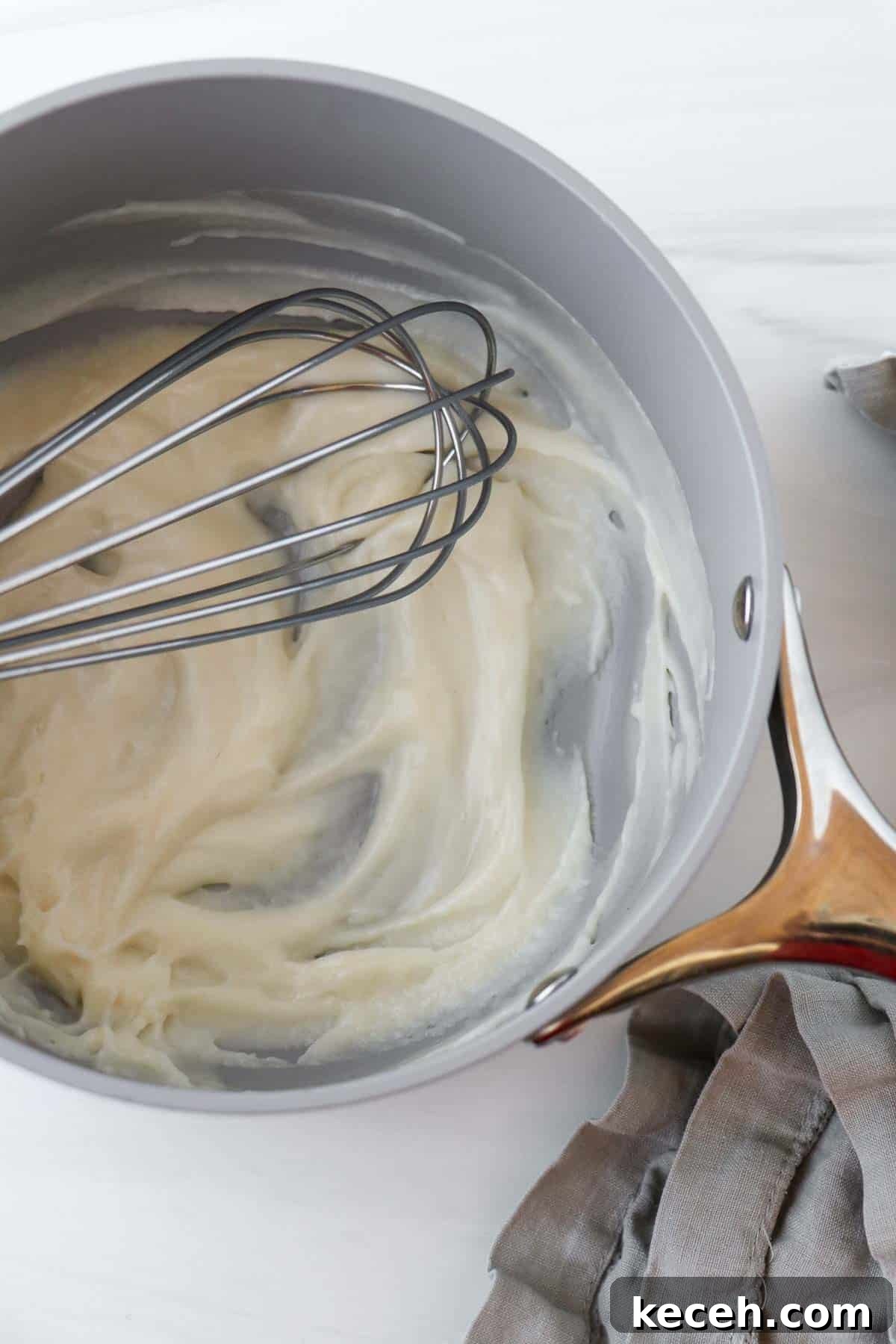
Tangzhong is a straightforward technique where a small portion of the recipe’s flour is cooked with liquid until it thickens into a smooth paste. Think of it like making a gravy roux: the mixture is heated just until the starches swell and it becomes pudding-like, then cooled and incorporated into the rest of the dough ingredients.
In practice, tangzhong is a pre-cooked flour slurry that allows dough to absorb and retain more water than it otherwise would. That extra hydration yields softer crumbs, a gentler chew, and extended freshness. Though often linked with Japanese milk bread, tangzhong benefits many types of enriched doughs, including sweet buns, sandwich loaves, and holiday breads.
Why the Tangzhong Method Works
The key is starch gelatinization. When flour is heated with liquid, the starches absorb water and swell, forming a gel-like network that traps moisture. This improves the dough’s hydration capacity and changes how it behaves during mixing, proofing, and baking.
Practical benefits include:
- Softer texture: Baked goods are lighter, fluffier, and more tender instead of dense or dry.
- Longer freshness: Because the dough holds moisture better, breads and buns stay soft for longer after baking.
- Improved elasticity: Doughs feel smoother and are easier to shape, producing more consistent results.
- Better oven spring: Increased hydration supports stronger rise in the oven.
- Delicate chew: You get structure without toughness — a tender bite that’s pleasant to eat.
Enriched doughs often include butter, sugar, and eggs, ingredients that can weigh a dough down. Tangzhong gives these heavier doughs extra structure and moisture so they remain pillowy rather than compact.
How to Adapt a Sweet Bun Recipe Using the Tangzhong Method
Adding tangzhong to an enriched dough is simple and doesn’t require extra ingredients — you just pre-cook a portion of the flour and liquid already called for in the recipe. The classic ratio is 1 part flour to 5 parts liquid by weight, but small variations still yield great results. Even a few tablespoons of tangzhong can noticeably improve softness and shelf life.
A Simple Approach for Home Bakers
Use these practical steps to incorporate tangzhong without complex conversions:
- Remove a small portion of the flour from the recipe (about 2–4 tablespoons for a standard batch of 12 buns).
- Combine that flour with enough milk or water to form a loose slurry — roughly 3–5 tablespoons of liquid per tablespoon of flour. Subtract that liquid from the recipe’s total so you aren’t adding extra.
- Cook over medium heat, stirring constantly, until the mixture thickens into a smooth, pudding-like paste.
- Let the tangzhong cool completely, then add it to the dough with the remaining ingredients and proceed as usual.
For best results, take the flour and liquid used for tangzhong directly from the recipe totals rather than adding more. The method is forgiving — minor variations won’t ruin the dough — but subtracting both flour and liquid keeps the final texture and consistency aligned with the recipe’s intent.
Because tangzhong increases moisture retention, the mixed dough will often feel softer and slightly more elastic than a standard enriched dough, which is exactly the desirable outcome.
FAQs About the Tangzhong Method
Yes. Tangzhong can be prepared up to a day in advance and stored in an airtight container in the refrigerator. Bring it to room temperature and whisk before adding to the dough so it blends smoothly.
You can freeze it, but it’s usually unnecessary since tangzhong takes only a few minutes to prepare. If you do freeze it, thaw completely and whisk to restore a smooth consistency.
Either works. Milk gives a richer, slightly softer dough while water keeps the result lighter. A mix of water and milk is a common choice for sweet buns.
Right after cooking it should resemble a thick pudding or roux. It will firm up as it cools, so aim for a smooth, spreadable paste when warm.
Tangzhong is most effective in enriched doughs like sweet buns, cinnamon rolls, and soft sandwich breads. It’s not necessary for crusty artisan loaves where a crisp or chewy crust is desired.
Recipes that Use the Tangzhong Method
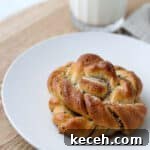

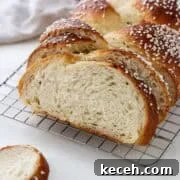
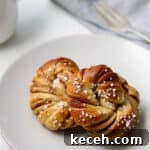

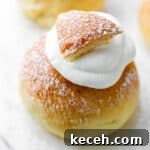
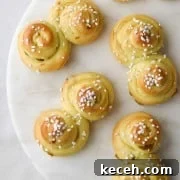

The tangzhong method is a small step that can make a noticeable difference in your baking. By briefly cooking a portion of the flour and liquid before mixing the dough, you create sweet buns that are softer, more tender, and stay fresh longer without complicated techniques or special equipment.
If you enjoy baking enriched doughs like cinnamon buns, cardamom buns, or other sweet rolls, tangzhong is an easy technique worth adding to your routine. Start with one of the recipes above and observe how the crumb, texture, and shelf life improve. Once you see the difference, it becomes a favorite shortcut in many home bakeries.
Try tangzhong in your next batch of buns and note the change in softness and resilience — it’s a small technique that delivers reliably big results.